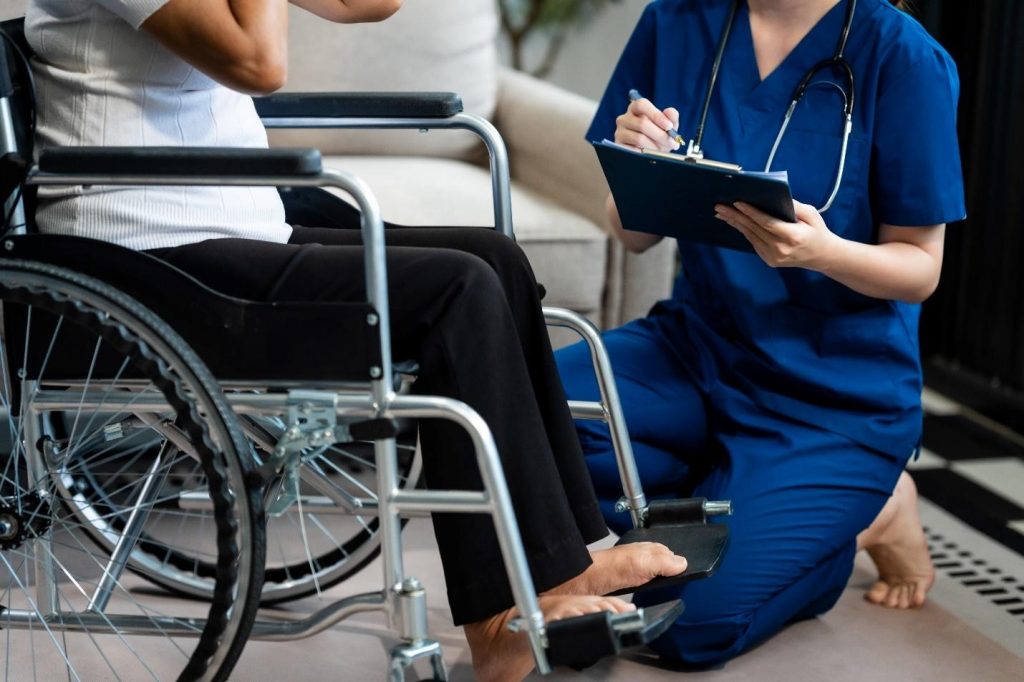
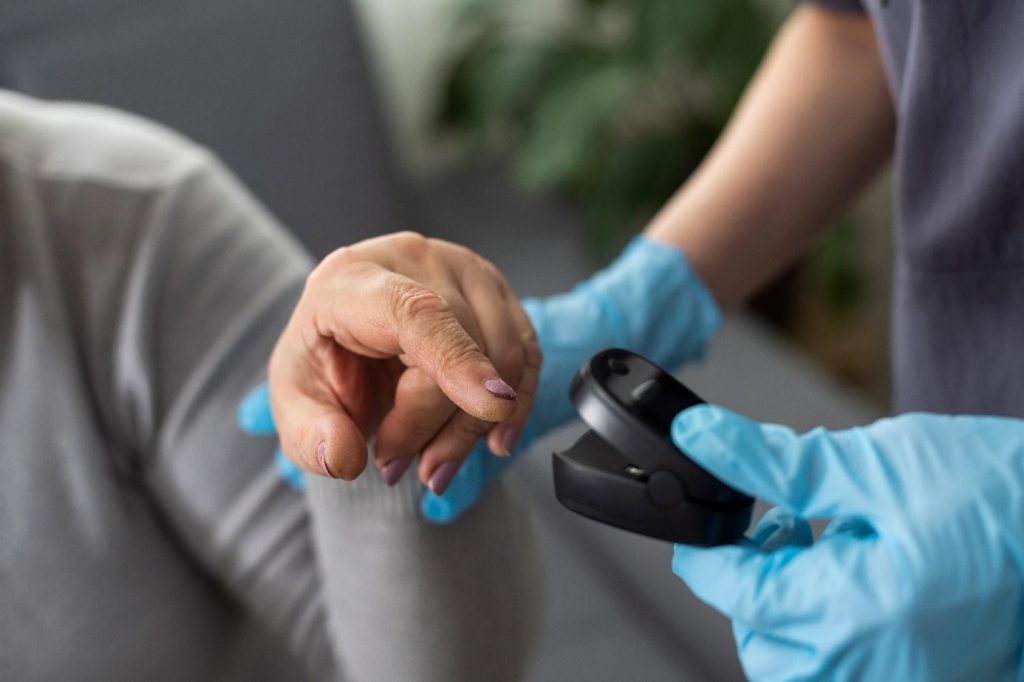
A structured evaluation helps determine the level of daily support required and guides access to appropriate care and assistance.
A Severe Disability Assessment is a medical evaluation required for schemes such as CareShield Life, ElderShield and private insurance claims. It determines whether an individual meets the criteria for long-term care support based on their ability to perform daily activities.
This evaluation is commonly required for applications to long-term care support schemes, insurance claims or caregiving assistance programmes. It provides an objective evaluation of a person’s functional ability, rather than focusing solely on a medical diagnosis.
The outcome helps guide care planning, financial support eligibility and access to appropriate healthcare resources.
What is considered a severe disability in Singapore?
Severe disability is generally characterised by an individual’s inability to perform Activities of Daily Living (ADLs) independently.
These activities include:
Washing or bathing
Dressing
Feeding
Toileting
Transferring, such as moving from bed to chair
Mobility
An individual may be considered severely disabled if they require substantial assistance with multiple ADLs over a prolonged period.
Who requires a Severe Disability Assessment (SDA)?
Changes in independence can be gradual and an evaluation helps clarify when additional care and support may be needed.
The assessment is typically recommended when there are noticeable changes in a person’s ability to function independently in daily life and significant support is required. While some individuals may already have a known medical condition, others may simply experience a gradual decline that becomes more apparent over time.
In many cases, the need for evaluation arises when routine activities, such as bathing, dressing or moving around, start to require increasing levels of assistance. This may be due to physical limitations, cognitive changes or a combination of both.
You or your loved one may require a Severe Disability Assessment if:
There has been a recent medical event, such as a stroke, injury or hospitalisation, followed by reduced independence
Daily tasks are becoming progressively more difficult or require supervision/ support
There is a diagnosis of a condition that may affect mobility, strength or memory, such as Parkinson’s disease and dementia
A caregiver is providing frequent or full-time assistance with personal care
There is uncertainty about the level of care required going forward
Beyond clinical reasons, assessments are often needed for administrative purposes. These include applications for long-term care schemes, insurance claims or financial support programmes.
For many families, the assessment serves as a practical starting point by providing clarity on the individual’s condition and helping guide decisions about care, support and next steps.
What conditions may lead to severe disability?
Severe disability can arise from a range of medical conditions that affect physical, cognitive or neurological function.
Common causes include:
Neurological conditions – conditions such as stroke, Parkinson’s disease or dementia may impair movement, coordination and cognitive function.
Chronic medical illnesses – advanced stages of diseases such as heart failure, kidney disease or diabetes-related complications can limit physical independence.
Musculoskeletal disorders – severe arthritis, fractures or degenerative conditions may significantly affect mobility and daily functioning.
Age-related decline – frailty and reduced physical resilience in older adults may contribute to increasing dependence over time.
What does a Severe Disability Assessment involve?
The assessment combines functional evaluation with medical review to form a clear and objective understanding of daily care needs.
A Severe Disability Assessment focuses on evaluating an individual’s ability to perform daily activities safely and independently. The process typically involves:
Functional assessment
Our doctor will assess how well the individual performs key ADLs. This may include:
Ability to bathe and maintain personal hygiene
Ability to dress without assistance
Ability to feed oneself independently
Ability to manage bladder and bowel function
Ability to move or transfer safely
Walking or mobility capability
Medical evaluation
In addition to functional ability, our doctor will review:
Medical history and existing conditions
Current medications
Cognitive status where relevant
Overall physical health
Documentation and certification
Following the assessment, a medical report or certification will be completed online. This document is typically required for submission to relevant schemes, insurers or care providers.
What happens during a Severe Disability Assessment?
For individuals and caregivers new to the process, the appointment is designed to be structured, respectful and focused on understanding daily functional abilities.
Before the appointment
Before the visit, you may be advised to prepare:
Identification documents and any required forms
Relevant medical reports or discharge summaries
A list of current medications
Supporting information from caregivers, if applicable
Having these on hand helps ensure that the evaluation can be completed smoothly and without unnecessary delays.
During the consultation
The session usually begins with a conversation. Our doctor will take time to understand the patient’s medical history, current condition and any recent changes in health or mobility.
This is followed by a functional assessment, which focuses on ADLs. Depending on the patient’s condition, our doctor may:
Ask the patient to describe how they perform certain daily tasks
Observe simple movements or mobility where appropriate
Assess coordination, balance or level of assistance required
Evaluate cognitive awareness if there are concerns about memory or understanding
There is no expectation for the patient to “perform” or meet any standard. The aim is simply to understand what level of support is needed in everyday life.
Role of caregivers
Caregivers play an important role during the assessment, particularly if the patient has difficulty communicating or recalling details accurately.
They may be asked to share:
The type of assistance they provide daily
Any safety concerns, such as the risk of falls
Changes in behaviour, memory or physical ability
The amount of supervision required
This additional perspective helps provide a more complete and accurate picture of the patient’s condition.
After the assessment
Once the evaluation is complete, our doctor will document the findings and determine whether the criteria for severe disability are met.
The process is designed to be straightforward, with the clinic supporting you through the necessary documentation.
Why is early assessment important?
Recognising care needs early allows families to plan and access the right support with greater confidence.
It is not always easy to recognise when additional support is needed, especially when changes happen gradually. Many individuals and families adapt quietly over time, adjusting routines without realising how much assistance is actually being provided.
Seeking an assessment earlier can make a meaningful difference. When care needs are identified promptly, it becomes easier to:
Access available support schemes without delay
Put structured care arrangements in place
Reduce physical and emotional strain on caregivers
Prevent avoidable complications, such as falls or injuries
As early assessment provides clarity, it helps families move from uncertainty to a better understanding of what support is needed, allowing them to make more informed decisions with greater confidence.
Who should get a Severe Disability Assessment?
If you are unsure whether an assessment is necessary, it may help to reflect on recent changes in daily life.
You may wish to consider arranging an assessment if:
You or your loved one is no longer able to manage personal care independently
Assistance is needed more frequently than before, even for simple tasks
There has been a noticeable decline following illness, injury or hospitalisation
A caregiver has taken on increasing responsibilities over time
You are exploring options for long-term care support or financial assistance
In many cases, families wait until the situation becomes more challenging before seeking help. However, arranging an evaluation earlier can provide reassurance and direction, even if the level of disability is not yet severe.
It is not about labelling a condition. It is about understanding needs and ensuring the right support is available at the right time.
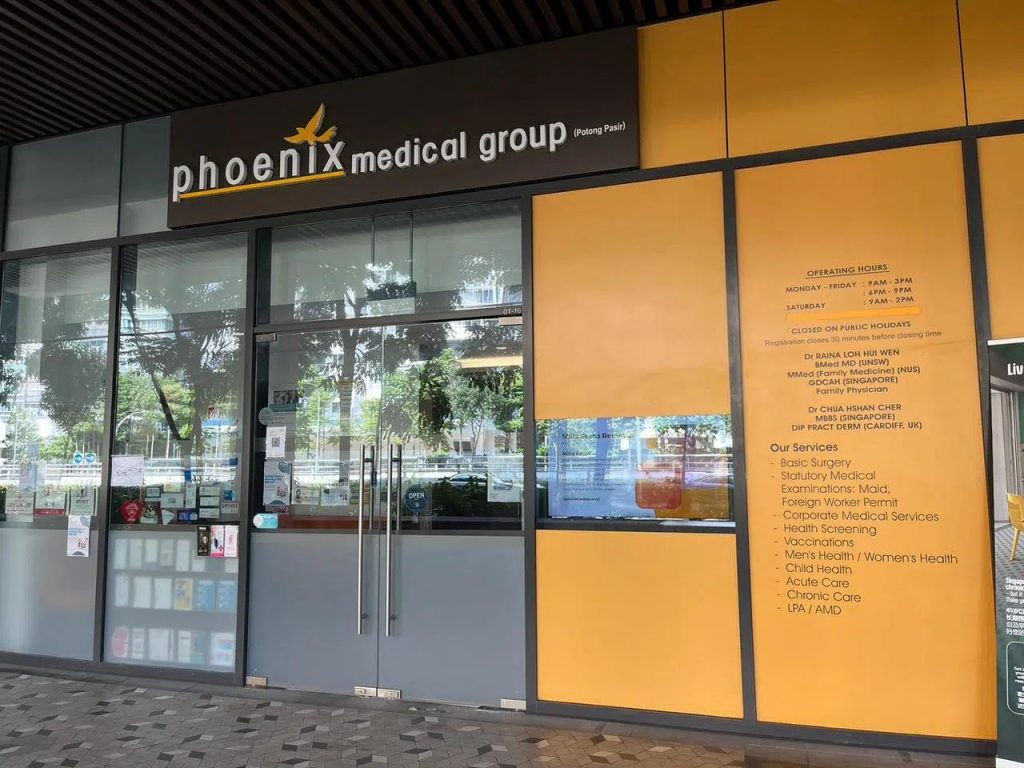
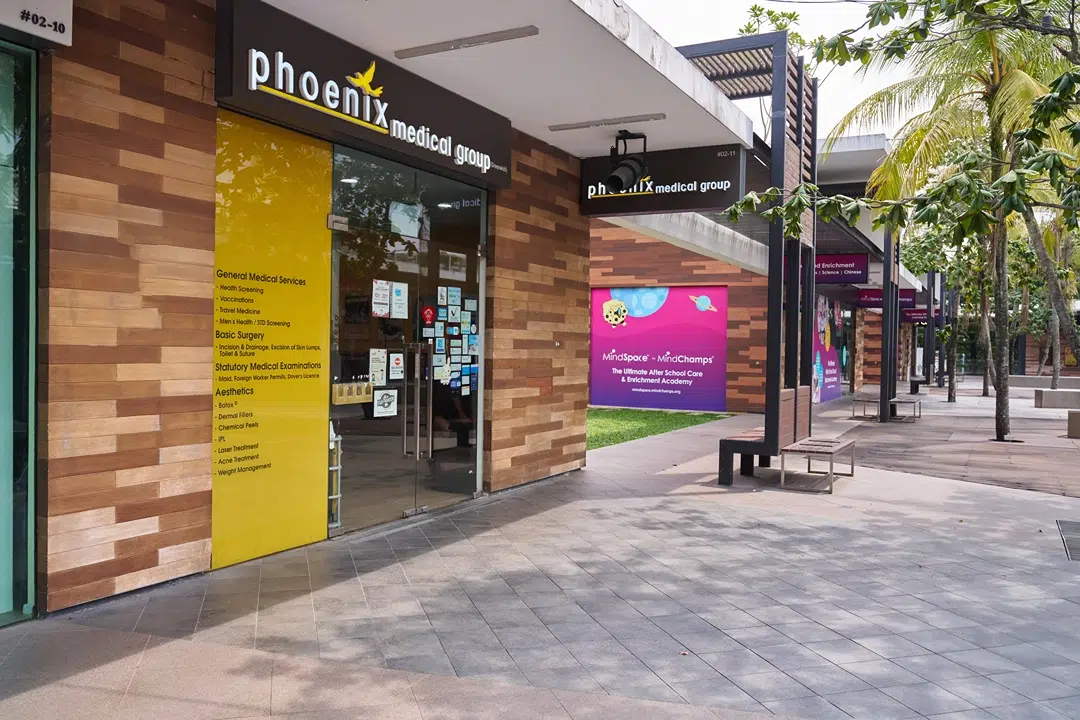
Severe Disability Assessment at Phoenix Medical Potong Pasir
Taking the first step toward assessment can provide clarity, direction and access to the support needed for better daily care.
Caring for someone with significant physical or cognitive limitations can be challenging and understanding the level of support required is an important first step.
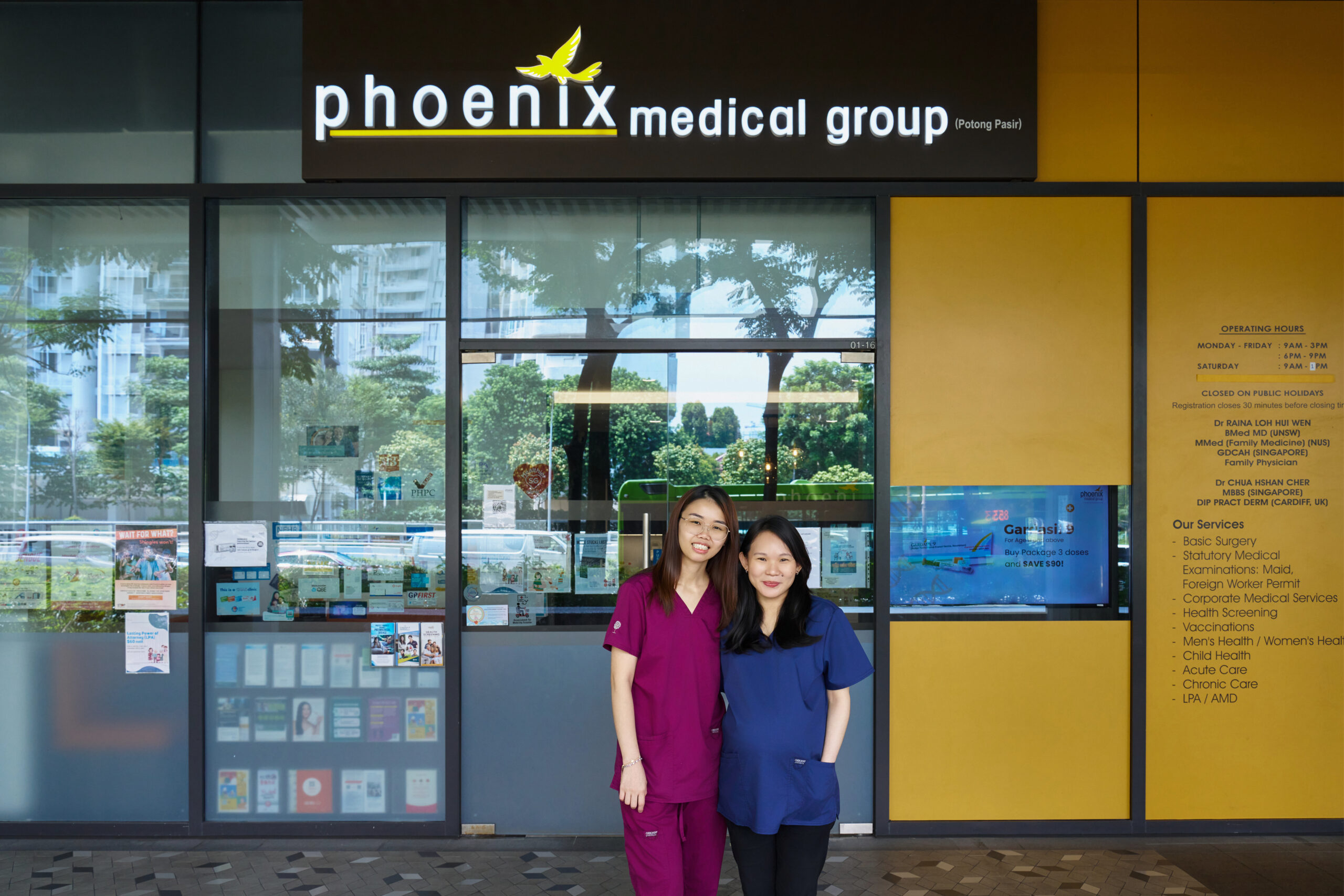
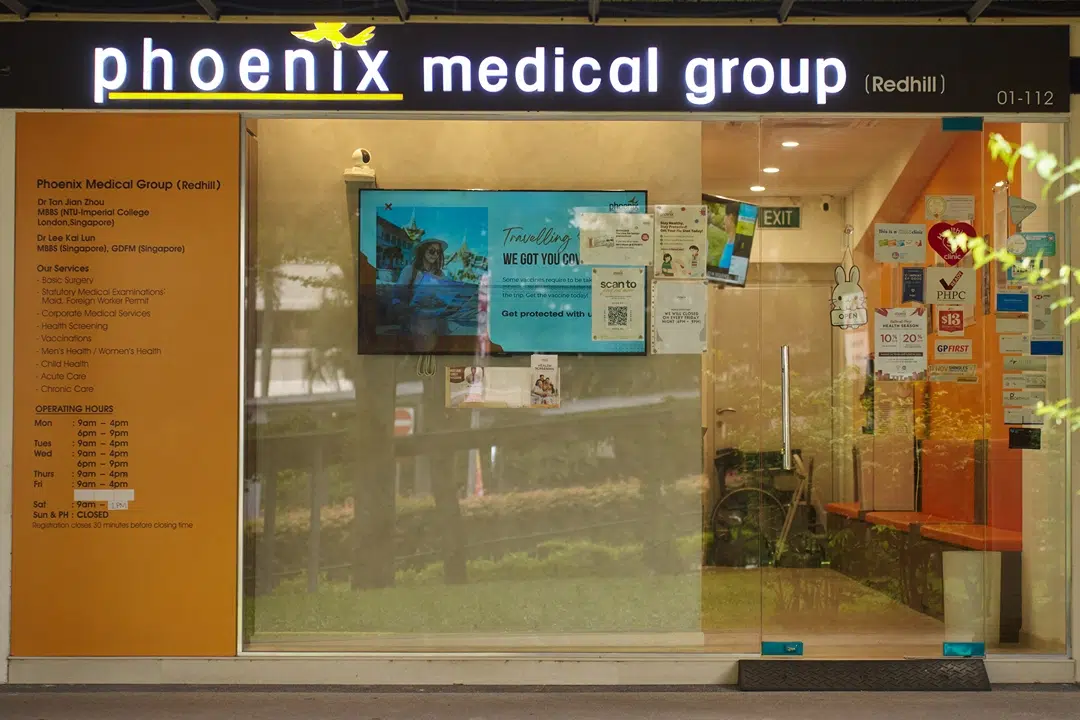
At Phoenix Medical Clinic in Potong Pasir, Severe Disability Assessments are conducted with a focus on clarity, efficiency and patient dignity. We recognise that both patients and caregivers may be navigating unfamiliar processes and we aim to make each step as straightforward as possible.
Patients can expect:
Clear and structured assessments aligned with recognised criteria for care support and insurance claims
Experienced medical evaluation that considers both physical and cognitive function
A supportive and respectful environment for both patients and caregivers
Efficient consultations designed to minimise unnecessary stress or delays
If you or your loved one may require assistance with daily activities, arranging an assessment (link to contact us) can help you better understand the options available and take the next steps with greater confidence.
Frequently Asked Questions
What is the main purpose of a Severe Disability Assessment?
A Severe Disability Assessment is conducted to determine the level of assistance an individual requires for daily living and to support applications for care support schemes, insurance claims, and long-term care planning.
It provides an objective evaluation of functional ability, helping healthcare providers and relevant organisations determine eligibility for financial support and caregiving assistance.
What is considered “severe disability” in Singapore?
In Singapore, severe disability is defined as the inability to perform at least three out of six ADLs, such as bathing, dressing, feeding, toileting, mobility, and transferring.
This definition is used for national schemes such as CareShield Life and ElderShield to determine eligibility for payouts and support.
Is the assessment only for elderly individuals?
No, while more commonly associated with aging, severe disability can affect individuals of any age due to medical conditions, injuries or neurological disorders.
Is the assessment required for CareShield Life or ElderShield claims?
Yes, a certified Severe Disability Assessment is typically required to support claims under CareShield Life, ElderShield and some private insurance policies.
The assessment must be completed by an accredited doctor and submitted as part of the claims process.
Do I need to prepare anything before the appointment?
It is helpful to bring along:
Medical reports or discharge summaries
A list of current medications
Relevant forms for submission
Input from caregivers, if applicable
This helps ensure the assessment is completed smoothly and efficiently.
How long does the assessment take?
The duration varies depending on the individual’s condition, but most assessments are completed within a single consultation.
Will the assessment be stressful or uncomfortable?
The assessment is designed to be straightforward and respectful. There are no invasive procedures involved and our doctor will guide the process at a pace suitable for the patient.
Caregivers are welcome to be present to provide reassurance and support.
Can the assessment be done for patients who are bedridden or unable to travel?
In many cases, arrangements can be made for individuals with limited mobility. It is advisable to contact the clinic in advance to discuss suitable options and determine the most appropriate setting.
How long is a Severe Disability Assessment valid?
The validity depends on the requirements of the specific scheme or insurer. Some may require reassessment over time, particularly if the patient’s condition is expected to change.
What if the patient’s condition improves or worsens after the assessment?
If there are significant changes in the patient’s condition, a reassessment may be necessary. This ensures that the level of support and eligibility for schemes remains accurate and appropriate.
Can I use the assessment for multiple applications?
In some cases, the same assessment report may be used across different applications, such as insurance claims or care support schemes. However, requirements may vary, so it is best to confirm with the relevant organisations.
How much does a Severe Disability Assessment cost in Singapore?
The cost may vary depending on the clinic and the complexity of the assessment. Some schemes may subsidise the assessment or provide reimbursement. It is advisable to check with the clinic and relevant scheme provider for current fees and eligibility.
Where can I get a Severe Disability Assessment in Singapore?
Severe Disability Assessments are conducted by accredited doctors in clinics, hospitals or approved medical centres. It is important to ensure that the doctor is authorised to complete assessments required for CareShield Life, ElderShield or insurance claims.
Get In Touch With Us
If you have any enquiry, please do not hesitate to contact us. Leave us a message, and we will get back to you shortly.