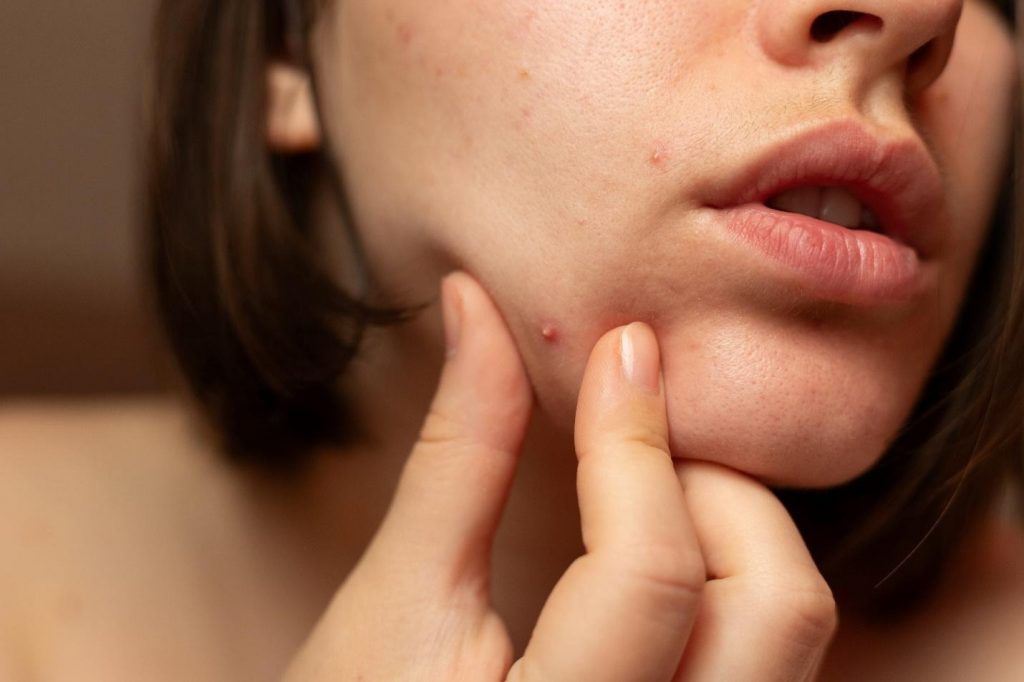
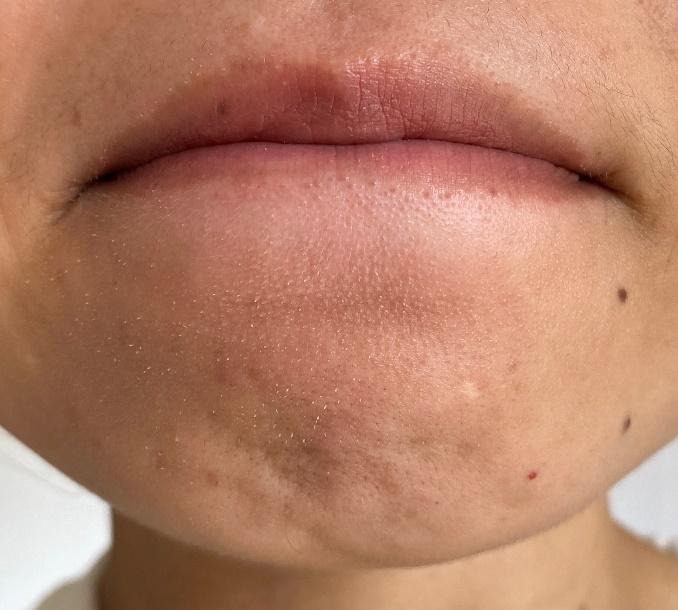
We've all had our fair share of battles with acne, experiencing dreaded breakouts that marked our teenage, prepubescent years like an unwelcome rite of passage. But while most expect it to fade with age, it's understandably frustrating when acne stubbornly follows us into adulthood. Recurring breakouts, painful cystic lesions, and inflamed skin not only affect our complexion, but can deeply impact self-esteem and confidence. It's more than just a skin concern — it's a persistent, often painful reminder that something deeper may be going on beneath the surface.
In Singapore, where humidity, and heat can contribute to increased oil production, acne is a frequent concern among individuals of all ages. Although acne can be persistent, it is highly treatable with the right medical solutions and lifestyle modifications. In fact, seeking early treatment can prevent complications such as scarring and prolonged breakouts.
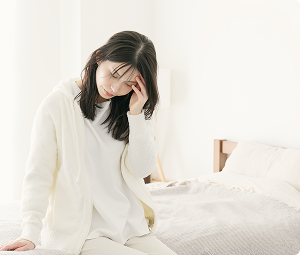
Acne can negatively impact a person’s confidence, and self-esteem.
How is acne caused?
There are several factors that contribute to the formation of acne. In fact, it often develops due to a combination of factors that lead to clogged pores, and inflammation. These include:
Excess sebum (oil) production – sebaceous glands produce sebum to keep the skin hydrated. However, an overproduction of sebum can clog pores, leading to the formation of acne lesions. Factors that influence sebum production include hormonal fluctuations, genetics, and environmental conditions.
Accumulation of dead skin cells – the skin naturally sheds dead cells, but when this process is disrupted, dead skin can accumulate, and block hair follicles. This creates an environment where bacteria can thrive, triggering inflammation.
Bacterial growth (propionibacterium acnes) – propionibacterium acnes (P. acnes) is a bacteria that normally resides on the skin. When the pores become clogged, this bacterium multiplies rapidly, leading to redness, swelling, and pus formation in acne lesions.
Diet and lifestyle factors – certain foods, such as high-glycaemic index carbohydrates, and dairy products, have been linked to acne breakouts. Additionally, stress, lack of sleep, and improper skincare routines can aggravate acne.
Hormonal imbalances – androgens (male hormones) increase during puberty, and stimulate sebaceous glands to produce more oil. Hormonal fluctuations related to menstrual cycles, pregnancy, polycystic ovary syndrome (PCOS) or stress can also contribute to acne development.
Use of comedogenic products – makeup, sunscreens, and skincare products containing comedogenic (pore-clogging) ingredients can trigger breakouts. Opting for non-comedogenic, oil-free products can help prevent clogged pores.
What are the common types of acne?
Acne can manifest in various forms, ranging from mild to severe. That is why by understanding the types of acne can help determine the most appropriate treatment. Some of the common types of acne are:
Non-Inflammatory Acne
This type of acne consists of clogged pores without significant redness or swelling.
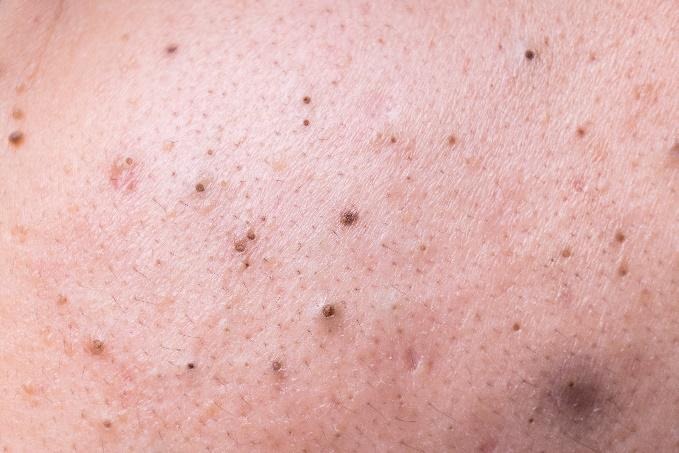
Blackheads (Open Comedones) These occur when clogged pores remain open, exposing trapped oil, and dead skin to oxygen, which causes them to turn black.
Whiteheads (Closed Comedones) These form when clogged pores remain closed, creating small white or flesh-coloured bumps beneath the skin.
Inflammatory Acne
This type involves redness, swelling, and bacterial infection, often leading to pain, and discomfort.
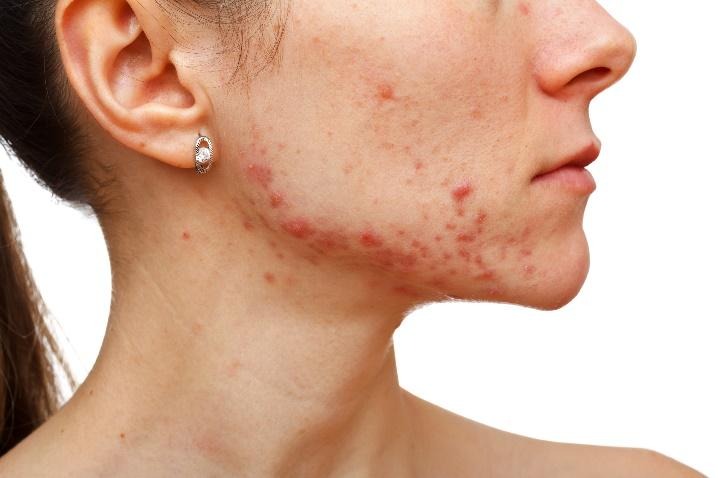
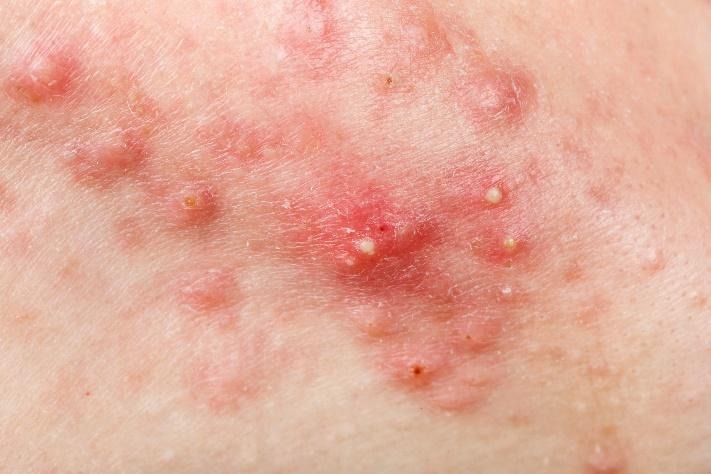
Papules Small, red, inflamed bumps caused by bacterial activity within clogged pores. These do not contain pus.
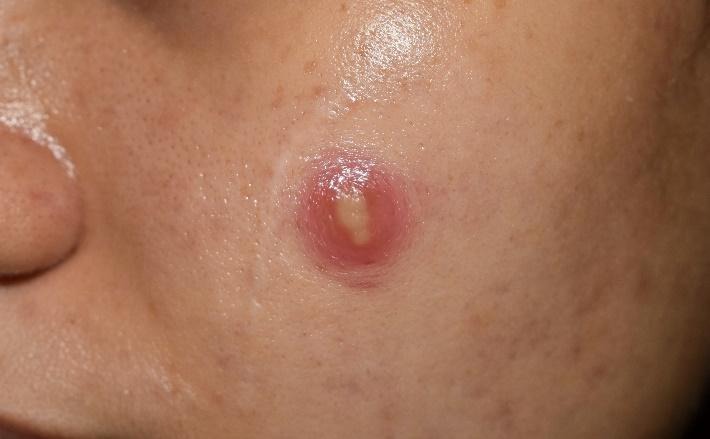
Pustules Red, swollen bumps filled with white or yellowish pus, commonly referred to as pimples.
Severe Acne
Severe acne is more painful, persistent, and likely to cause scarring.
Cystic Acne Deep, pus-filled lumps that are prone to rupture, often resulting in long-term scarring.
Nodules Large, firm, painful lumps deep under the skin, formed due to severe inflammation.
What are the symptoms of acne?
The symptoms of acne vary depending on the severity and type of acne you have. Generally, the symptoms are as follows:
Acne Type
Symptoms
Blackheads
Dark spots with an open poreSmall in sizeSlightly raised texture
Whiteheads
Round-shapedSmall in sizeWhite or flesh-coloured bumps beneath the skin
Papules
Often red in colourInflamed bumps that are tender to the touch
Pustules
Often red in colourPimples that are filled with white or yellowish pus
Cysts
Large in sizeSoft to the touchPus-filled lumps that may rupture, and cause scarring
Nodules
Large in sizePainful lumps are often formed from deep within the skinWithout a visible head
When is acne considered severe?
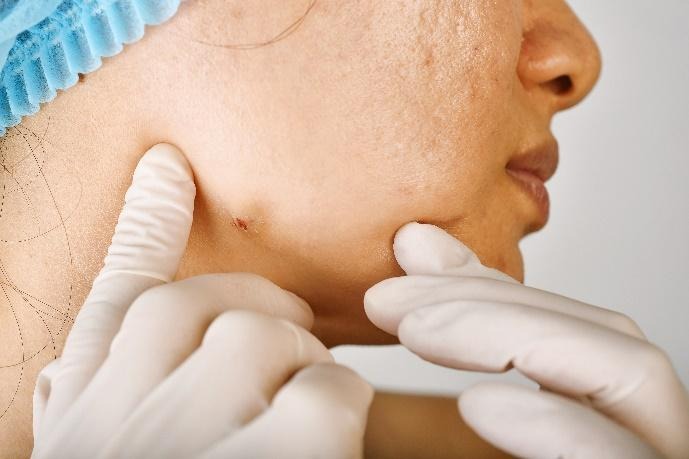
Acne is classified as severe when it involves widespread inflammation, deep nodules, cysts, and a high risk of scarring. Before managing or treating acne, your doctor will assess your skin condition.
Acne Grading Scale
Grade
Severity
Characteristics
Grade 1 (Mild)
Minimal
Few blackheads, whiteheads or small pimples with no significant inflammation
Grade 2 (Moderate)
Mild to Moderate
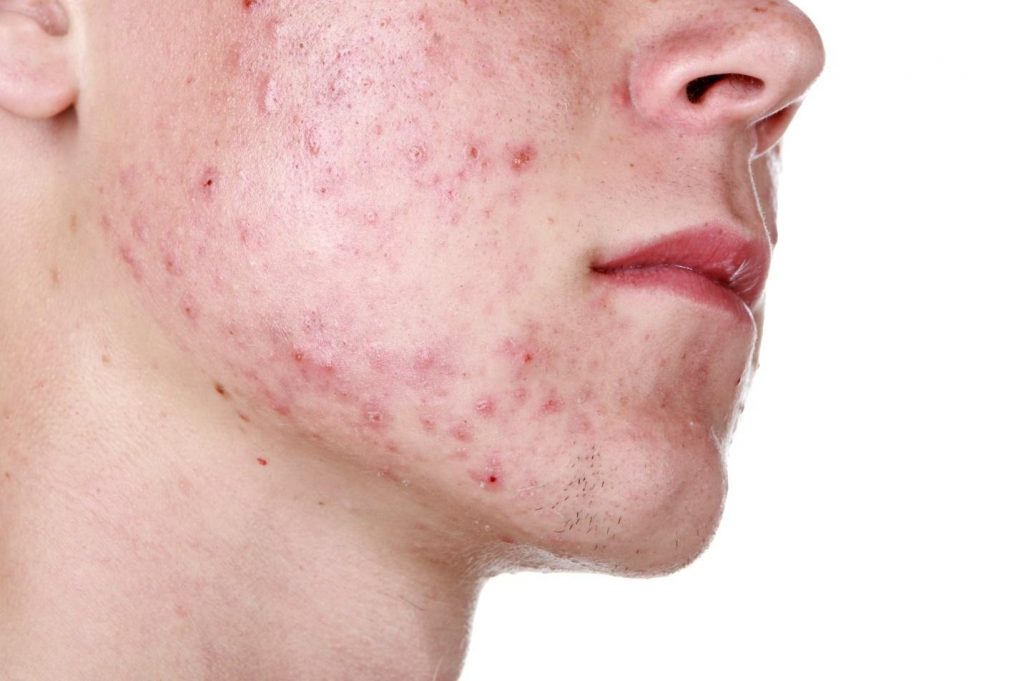
More blackheads, whiteheads, and inflamed pimples with some redness
Grade 3 (Moderately Severe)
Significant
Numerous inflamed pimples, pustules, and occasional nodules
Grade 4 (Severe)
Severe
Large, painful nodules or cysts, widespread inflammation, and high risk of scarring
What happens if acne is left untreated?
Although acne is a common skin concern, it can have lasting effects if it is not properly managed. While some cases of mild acne may resolve on their own, persistent or severe acne can worsen over time. Factors such as excessive oil production, bacterial overgrowth, and inflammation can lead to complications that go beyond skin appearance.
Additionally, untreated acne may take longer to heal, and further increase the risk of:
Permanent scarring – severe acne, particularly nodular and cystic forms, can cause deep scars that may require laser treatments or other medical procedures to improve skin texture.
Post-inflammatory hyperpigmentation (PIH) – after acne heals, it can leave behind dark spots or patches, especially in individuals with darker skin tones. PIH may persist for months or years without intervention.
Worsening of acne – mild acne can progress into moderate or severe forms if left untreated, making management more challenging, and increasing the risk of long-term skin damage.
Psychological and emotional impact – acne can affect self-esteem, confidence, and mental well-being. In fact, studies have linked severe acne with increased risks of anxiety and depression.
What does acne management entail?
Acne can be managed through an array of options such as medications, diet, and lifestyle modifications.
Effective acne management involves a comprehensive approach to control the underlying causes, minimise recurrence, and prevent long-term complications such as scarring and pigmentation. Acne treatment can include:
Medications and Topical Treatments
Benzoyl peroxide – a common acne treatment that kills acne-causing bacteria, and helps reduce redness.
Hormonal therapy – for hormonal acne, oral contraceptives or anti-androgen medications may be recommended.
Isotretinoin (oral retinoid) – a potent treatment for severe or persistent acne that targets excess oil production, and inflammation.
Topical or oral antibiotics – used for inflammatory acne to control bacterial overgrowth, and inflammation.
Topical retinoids – vitamin A derivatives, such as tretinoin, and adapalene, help unclog pores, and reduce inflammation.
Diet
Anti-inflammatory foods – a diet rich in fresh fruits, vegetables, whole grains, and omega-3 fatty acids (found in fatty fish, walnuts, and flaxseeds) can help reduce inflammation in the skin.
Hydration – drinking adequate water supports skin hydration, and overall skin function.
Low glycaemic diet – avoiding high-sugar foods, refined carbohydrates, and sugary beverages can help reduce breakouts. High-glycaemic foods cause blood sugar spikes, which may increase insulin levels, and stimulate excess oil production.
Limiting dairy – some studies suggest that dairy, especially skim milk, may be linked to acne due to hormones and bioactive molecules that can influence oil production. Reducing dairy intake may help improve acne symptoms.
Skincare Routine
Exfoliation – chemical exfoliants, such as salicylic acid (BHA) or glycolic acid (AHA), help unclog pores, and promote skin renewal. However, over-exfoliation should be avoided as it may irritate the skin.
Gentle cleansing – using a mild, non-comedogenic cleanser helps remove excess oil, dirt, and bacteria without stripping the skin’s natural barrier.
Oil-free moisturiser – keeping the skin hydrated with a non-comedogenic moisturiser prevents excessive dryness, which can trigger more oil production.
Sun protection – daily sunscreen application prevents acne scars, and hyperpigmentation from worsening.
Lifestyle Habits
Avoiding picking or squeezing pimples – picking at acne lesions can lead to inflammation, scarring, and bacterial spread, worsening the condition.
Changing pillowcases, and face towels regularly – keeping fabric surfaces clean reduces bacteria, and oil buildup that can contribute to breakouts.
Managing stress – high stress levels can trigger hormonal fluctuations, leading to increased sebum production and breakouts. Engaging in stress-relief activities such as exercise, meditation, and sufficient sleep can be beneficial.
Summary
Acne treatment requires a comprehensive, holistic approach — addressing the root causes like hormonal imbalances, inflammation, and lifestyle factors to prevent long-term scarring and future flare-ups. Thankfully, there are a variety of treatment modalities available to effectively treat the condition and help you achieve clear, acne-free skin.
Acne can be effectively managed, and controlled. However, it may not always be permanently cured, especially for those with genetic or hormonal predispositions. Fortunately, with the right treatment, breakouts can be significantly reduced, and long-term skin health can be maintained.
Does acne mean I have poor hygiene?
No, acne is not caused by poor hygiene. While maintaining a good skincare routine is important, acne primarily results from factors such as genetics, hormonal fluctuations, excess oil production, and clogged pores. Over-washing or scrubbing the skin too harshly can worsen acne.
Can stress cause acne?
Yes, stress can trigger acne flare-ups. High stress levels lead to increased cortisol production, which can stimulate excess oil production, and inflammation in the skin, worsening breakouts. Managing stress through exercise, meditation, and proper sleep can help significantly.
Does wearing makeup make acne worse?
Makeup does not necessarily cause acne, but using heavy, comedogenic products can contribute to breakouts. It is recommended to use non-comedogenic, and oil-free makeup products, and remove makeup thoroughly before sleeping.
Can certain medications trigger acne?
Yes, some medications, such as corticosteroids, certain birth control pills, and androgens, may trigger or worsen acne. If you suspect your medication is affecting your skin, it’s always important to share these concerns with your doctor so they can provide treatment alternatives that may help prevent flare-ups.
Will popping pimples help them heal faster?
No, popping pimples can lead to scarring, infection, and further inflammation. It is best to let acne lesions heal naturally or seek professional extraction treatments if needed.
Why do I still get acne as an adult?
Adult acne is often linked to hormonal imbalances, stress, diet or underlying medical conditions such as polycystic ovary syndrome (PCOS). It is common for acne to persist beyond the teenage years, but it can be effectively managed with appropriate treatments.
How long does it take to see results from acne treatments?
The timeline for improvement depends on the severity of acne, and the treatment used. Some treatments, such as topical medications, may show results within a few weeks, while others, like isotretinoin or professional treatments, may take a few months. It is important to keep in mind that consistency is key to achieving clear skin.
Are home remedies effective for treating acne?
Some home remedies, such as using tea tree oil or honey, may have mild antibacterial or anti-inflammatory properties, but they are not as effective as clinically proven treatments. It is best to consult a doctor for evidence-based treatment options.
Does sun exposure help with acne?
While sun exposure may temporarily dry out acne lesions, excessive sun exposure can worsen hyperpigmentation, and cause long-term skin damage. So, always wear sunscreen to protect your skin.
When should I see a doctor for acne?
You should seek professional help if: - You suspect an underlying medical condition is contributing to breakouts. - Your acne is persistent, and not improving with over-the-counter treatments. - You have severe or painful cystic acne. - Acne is affecting your self-esteem or causing scarring.
Are pimple patches helpful in treating acne?
Yes, using a pimple patch can be helpful for certain types of acne, particularly whiteheads, and inflamed pimples. Pimple patches, often made with hydrocolloids, work by absorbing excess fluid, and protecting the blemish from bacteria, dirt, and picking. Some patches also contain acne-fighting components, like salicylic acid or tea tree oil, to help reduce inflammation.
However, pimple patches are not a cure-all for acne. They are most effective for surface-level pimples but may not work well for deeper cystic acne. For comprehensive acne management, it is best to use a combination of skincare, professional treatments, and medical advice tailored to your skin condition.
Get In Touch With Us
If you have any enquiry, please do not hesitate to contact us. Leave us a message, and we will get back to you shortly.