ANNOUNCEMENT: Get protected with our flu and pneumococcal vaccine at any PMG clinic near you!

No products in the cart.

High Cholesterol Management

Menu

what is the impact of high cholesterol.
High cholesterol can quietly build up over time, affecting your heart and overall well-being.

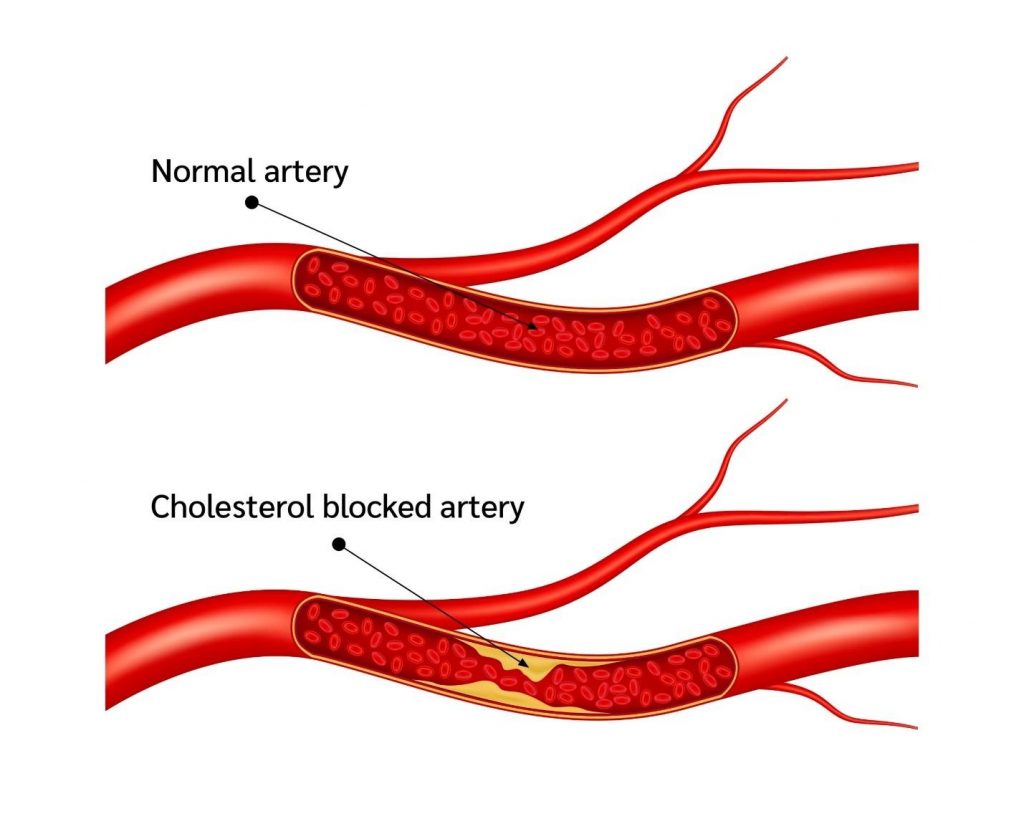
High cholesterol occurs when there is an excess of cholesterol in your bloodstream. While your body needs cholesterol for essential functions such as hormone production and cell repair, too much can lead to a buildup of fatty deposits in the arteries. This gradual accumulation may restrict blood flow and increase the risk of cardiovascular problems. Unlike temporary ailments, high cholesterol develops over the years and often shows no noticeable symptoms until complications arise.

In Singapore, urban lifestyles, dietary habits and reduced physical activity have contributed to higher cholesterol levels in the population. The good news is that high cholesterol is manageable. With proper monitoring, lifestyle adjustments and medical guidance, most people can maintain healthy cholesterol levels and support long-term heart health.

What are the types of Cholesterol and Lipids?

Cholesterol circulates in the blood bound to proteins called lipoproteins. Each type has a specific role in the body and an imbalance can increase cardiovascular risk. Generally, their functions and significance are:

TYPEFUNCTIONSIGNIFICANCE
LDL (Low-Density Lipoprotein)Transports cholesterol from the liver to cells
High levels can accumulate in arteries, increasing the risk of heart disease and stroke.
HDL (High-Density Lipoprotein)Removes excess cholesterol from the bloodstream and transports it back to the liver
Helps protect against artery plaque buildup and reduces cardiovascular risk
TriglyceridesStores unused calories and provides energy between meals
Elevated levels contribute to atherosclerosis and increase heart disease risk
Total CholesterolCombined measure of LDL, HDL and other lipid fractions
Provides an overall picture of cardiovascular health and guides treatment decisions

What causes High Cholesterol?

The condition develops when the balance between cholesterol production, usage and removal in the body is disrupted. Cholesterol is produced naturally by the liver and obtained from certain foods. Normally, the body maintains healthy levels by regulating production and removing excess through bile. 

But problems occur when:

  • The liver produces too much cholesterol due to genetic factors or metabolic conditions.
  • Cholesterol removal is inefficient, either because of impaired bile secretion or low levels of good cholesterol (HDL).
  • Excess dietary cholesterol and fats overwhelm the body’s ability to process and clear them, leading to accumulation in the bloodstream.
  • Triglycerides are elevated, which can interfere with lipid transport and increase bad cholesterol (LDL) levels.

This imbalance causes cholesterol to deposit along artery walls over time, forming plaque. These plaques narrow arteries, reduce blood flow and increase the risk of cardiovascular events like heart attacks and strokes.

What are the risk factors that contribute to High Cholesterol?

High cholesterol rarely appears overnight. It develops gradually when the body produces or accumulates more cholesterol than it can process. Some people are naturally predisposed due to their genetics, while others develop elevated cholesterol because of lifestyle or health factors.

Some of the contributing factors include:

  • Age – as we get older, the liver’s ability to process and remove cholesterol becomes less efficient. At the same time, metabolic changes can increase LDL and triglyceride levels, raising overall cardiovascular risk.
  • Gender – men typically have higher LDL and lower HDL earlier in life, increasing their risk of high cholesterol. Women’s protective effect from estrogen declines after menopause, leading to rising LDL levels and a higher likelihood of cholesterol-related complications.
  • Genetics – inherited conditions like familial hypercholesterolemia disrupt the body’s natural cholesterol regulation, causing excessively high LDL levels regardless of diet or lifestyle.
  • Lifestyle habits – smoking damages blood vessels, making them more prone to plaque buildup, while excessive alcohol intake can raise triglycerides and interfere with liver function, both contributing to higher cholesterol levels.
  • Medical conditions – diseases such as diabetes, hypothyroidism and kidney or liver disorders alter how the body produces, uses or removes cholesterol, making lipid imbalances more likely.
  • Overweight or obesity – excess abdominal fat promotes inflammation and insulin resistance, which increases LDL cholesterol and triglyceride levels, while lowering HDL.
  • Sedentary lifestyle – lack of physical activity reduces HDL cholesterol and slows the body’s ability to metabolise fats, allowing LDL and triglycerides to accumulate.
  • Unhealthy diet – diets high in saturated fats, trans fats and refined sugars lead to elevated LDL and triglycerides, overwhelming the body’s capacity to maintain a healthy cholesterol balance.

How does High Cholesterol impact health and quality of life?

High cholesterol can gradually affect your overall health and daily life, even if you feel well. As time passes, elevated cholesterol increases the strain on your heart and blood vessels, which may affect circulation, energy levels and physical endurance.

Some of the ways high cholesterol can influence your health include:

  • Cardiovascular problems – this includes coronary artery disease, heart attacks and strokes
  • Peripheral artery disease – causes reduced blood flow to limbs, which may result in pain or limited mobility
  • Reduced energy or stamina – as the heart and other organs work harder to compensate for restricted blood flow

Beyond physical health, high cholesterol can affect quality of life. People may experience anxiety about their heart health, limitations in daily activities or concerns about long-term complications.
What happens if High Cholesterol is left untreated?

complications of high cholesterol.
High cholesterol can lead to blocked arteries, which increases the risk of heart attack and stroke.

It goes without saying that unmanaged high cholesterol can significantly increase the risk of serious complications. Some of the key consequences include:

  • Atherosclerosis – hardening and narrowing of arteries due to plaque buildup
  • Heart attack – when blocked arteries prevent blood flow to the heart
  • Stroke – caused by restricted or blocked blood flow to the brain
  • Peripheral vascular disease – reduced circulation to arms and legs, which can lead to pain or tissue damage
  • Long-term organ strain – the heart, kidneys and other organs may be affected by impaired circulation

What does High Cholesterol Management entail?

We believe that understanding your condition is the first step to taking control of your health. Managing high cholesterol involves a combination of lifestyle choices, dietary adjustments, physical activity and, when necessary, medications. Each component works together to help reduce LDL cholesterol, increase HDL cholesterol and maintain a healthy lipid balance.

These include:

Diet and Lifestyle

Dietary habits play a central role in managing cholesterol levels. Making small but meaningful changes can significantly improve your heart health. Some of the key recommendations include:

  • Limit saturated fats reduce consumption of fatty cuts of meat, butter, ghee and full-fat dairy.
  • Increase healthy fats include plant-based sources of unsaturated fats such as olive oil, nuts and seeds.
  • Mediterranean diet diets rich in seafood, olive oil and omega-3 fatty acids can improve lipid profiles and reduce inflammation.
  • Plant-based diet a variety of vegetables, legumes and whole grains can lower total cholesterol and LDL levels more effectively than standard low-fat diets.
  • Reduce alcohol intake excess alcohol can raise triglycerides and worsen cholesterol levels.
  • Stop smoking quitting smoking helps improve your lipid profile and supports overall cardiovascular health.

Exercise

Regular physical activity is another cornerstone of high cholesterol management. Exercise not only improves cholesterol levels but also supports weight management and overall cardiovascular fitness.

  • Aerobic exercises activities such as walking, jogging, running and cycling help lower LDL and triglycerides while boosting HDL.
  • Resistance training strength-building exercises like weight lifting, squats and lunges can further reduce LDL and total cholesterol and decrease body fat.
  • Consistency regular workouts provide sustained benefits for lipid control and heart health.
  • Variety and progression combining different types of exercise keeps routines interesting and allows gradual increases in intensity for long-term results.

Medication

When lifestyle changes alone are not enough, cholesterol-lowering medications may be prescribed to help control serum lipid levels. These are tailored to each patient’s needs and may include:

  • Statins reduce LDL by limiting cholesterol production in the liver, while encouraging the liver to remove more cholesterol from the blood.
  • Bile acid sequestrants bind bile in the intestines, prompting the liver to use cholesterol to make more bile and lowering LDL levels.
  • Fibrates reduce triglycerides and raise HDL levels by activating specific receptors in the liver.
  • Niacin increases HDL while reducing LDL and triglycerides.
  • Ezetimibe inhibits cholesterol absorption in the intestines.
  • Lomitapide and Mipomersen target very-low-density lipoprotein (VLDL) production to lower LDL levels in the blood.
  • PCSK9 inhibitors monoclonal antibodies that increase the liver’s ability to remove LDL from the bloodstream.

What can you expect from the High Cholesterol Management programme?

benefits of high cholesterol management.
Managing high cholesterol is essential for heart health and in some cases, medication may be necessary.

The High Cholesterol Management programme at Phoenix Medical Group is designed to provide structured, personalised care for maintaining healthy cholesterol levels and protecting long-term heart health. The process is straightforward, supportive and tailored to your individual needs.

It generally consists of:

  • Screening and assessment – for individuals at higher risk, a lipid profile test is recommended to measure cholesterol and other lipid levels. Typically, adults over 40 years old should have a lipid profile every 1 to 2 years, while those with multiple risk factors may need more frequent testing.
  • Consultation – your journey begins with a consultation with one of our doctors. During this session, our doctor will review your personal risk factors, medical history and lifestyle and recommend the appropriate tests or health screens.
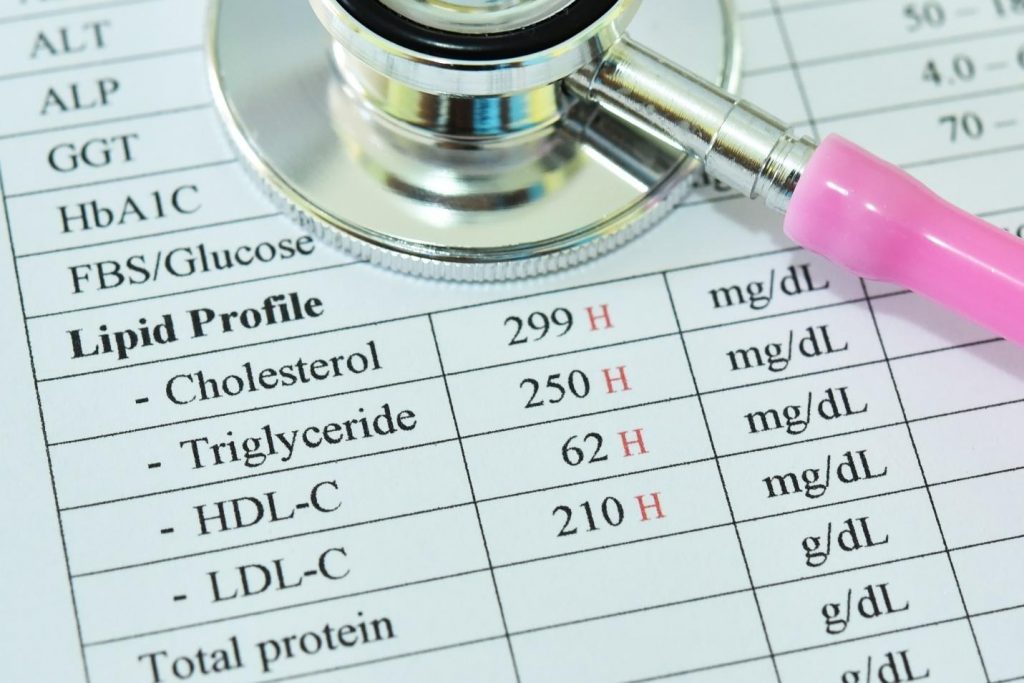
  • Lipid profile test – the lipid profile test measures your LDL, HDL, triglycerides and total cholesterol. You may be asked to fast overnight before a blood sample is taken. The results provide a clear picture of your cholesterol levels and guide the next steps.
  • Review of results and recommendations – once your results are available, our doctor will discuss them with you and outline a personalised plan. Recommendations may include:
  • Lifestyle adjustments – such as changes to diet, exercise routines and habits like smoking or alcohol consumptionMedication – if necessary, cholesterol-lowering drugs may be prescribed to achieve optimal lipid levels
  • Ongoing support and follow-up – regular follow-up appointments are an essential part of the programme. These visits allow our doctor to monitor progress, adjust your plan and provide guidance to ensure sustained cholesterol control.

Who should consider undergoing High Cholesterol Management?

Heart health is influenced by many factors, with cholesterol levels playing a critical role in keeping your circulatory system functioning smoothly. Even without obvious symptoms, imbalances in cholesterol can quietly affect blood vessels, circulation and long-term cardiovascular well-being.

Taking proactive steps to monitor and manage cholesterol allows you to stay ahead of potential complications. At Phoenix Medical Group, our approach combines personalised medical advice, practical lifestyle strategies and ongoing support to help you maintain healthy lipid levels and protect your heart for the years ahead.

The programme is suitable for people who:

  • Have borderline or fluctuating cholesterol levels – even slightly elevated cholesterol can increase long-term cardiovascular risk if left unmonitored.
  • Have a family history of early heart disease – even if current cholesterol readings are normal, proactive management can reduce future risk.
  • Experience early signs of cardiovascular stress – such as high blood pressure, fatigue during physical activity or other subtle indicators that may be related to cholesterol imbalance.
  • Are planning lifestyle changes – people making significant adjustments to diet, exercise or weight management can benefit from structured monitoring and support.
  • Wish to optimise long-term heart health – individuals interested in preventing cardiovascular disease before it develops, not just reacting to elevated cholesterol readings.
  • Want personalised guidance – those seeking expert advice on diet, exercise and lifestyle strategies to maintain healthy lipid levels.

Summary

why high cholesterol should be treated.
Effective cholesterol management supports heart health and enhances overall quality of life.

Managing cholesterol is not a one-off effort — it requires long-term supervision and consistent follow-up. Cholesterol levels can change over time, influenced by lifestyle, diet, age and other health conditions. That’s why it is so important to have a doctor you trust, one who understands your medical history and can provide continuous guidance, support and adjustments along the way. With the right guidance, you’re not only managing numbers but building a foundation for lasting heart health and overall well-being.

At Phoenix Medical Group, our High Cholesterol Management programme offers a structured approach, including screening, lifestyle guidance and medication when needed. Book an appointment with our doctors today to take the first step towards better heart health.

Frequently Asked Questions

How often should I check my cholesterol levels?

Adults over 55 years old are generally advised to have a lipid profile every 1 to 2 years. Those with additional risk factors may need more frequent testing. Our doctor will recommend a schedule based on your individual health profile.

Can lifestyle change alone control high cholesterol?

For many people, diet, exercise and healthy habits can significantly improve cholesterol levels. However, some individuals may require medication in addition to lifestyle changes to reach optimal lipid levels.

Are cholesterol-lowering medications safe?

Yes, when prescribed and monitored by a doctor, cholesterol-lowering medications are safe and effective. Our doctor will choose the type and dosage best suited to your health needs.

What diet changes are most effective for lowering cholesterol?

A diet low in saturated and trans fats, rich in unsaturated fats, vegetables, legumes, whole grains and omega-3 fatty acids can help lower LDL and triglycerides while supporting HDL. Additionally, reducing alcohol and quitting smoking also contribute to better cholesterol control.

Can high cholesterol be completely cured?

High cholesterol is usually a long-term condition that can be managed but not “cured.” With consistent lifestyle changes, medication when needed and regular monitoring, most people can maintain healthy cholesterol levels and reduce cardiovascular risk.

How soon will I see results after starting management?

Changes in cholesterol levels can vary depending on individual factors, but improvements are often seen within a few months of consistent lifestyle adjustments or medication. Do remember that regular follow-ups help track progress and optimise treatment.


Get In Touch With Us

If you have any enquiry, please do not hesitate to contact us. Leave us a message, and we will get back to you shortly.


    Find us here

    Seletar
    Hillview
    Paya Lebar
    Novena
    Potong Pasir
    Thomson
    Redhill

    Seletar - Phoenix Medical

    Contact Information

    Location

    1 Seletar Road,
    #02-11,
    Greenwich V,
    Singapore 807011

    Call Us

    Telephone: 6555 3512
    Fax: 6484 2240

    Opening Hours

    Daily

    9:00am to 8:30pm

    Closed on PH.

    Appointment

    Scan here to make an appointment with us via Health.Gov.sg

    Hillview - Phoenix Medical

    Contact Information

    Location

    4 Hillview Rise,
    #02-20 Hill V 2
    Singapore 667979

    Call Us

    Telephone: 6710 7157
    Fax: 6710 7167

    Opening Hours

    Monday - Friday

    9:00 am - 4:30 pm, 6.00 pm - 8:30 pm

    Saturday

    9:00 am - 1:30 pm

    Sunday

    2:00 pm - 8:30 pm

    Closed on PH.

    Appointment

    Scan here to make an appointment with us via Health.Gov.sg

    Paya Lebar - Phoenix Medical

    Contact Information

    Location

    60 Paya Lebar Road, #02-09 Paya Lebar Square, Singapore 409051

    Call Us

    Telephone: 6702 2940

    Fax: 6702 2941

    Opening Hours

    Monday - Friday

    9:00 am - 12:30 pm
    2:00 pm - 5:00 pm

    Saturday

    9:00 am - 12:30 pm

    Closed on Sunday and PH.

    Appointment

    Scan here to make an appointment with us via Health.Gov.sg

    Novena - Phoenix Medical

    Contact Information

    Location

    275 Thomson Road,
    #01-05 Novena Regency,
    Singapore 307645

    Call Us

    Telephone: 6254 3862
    Fax: 6254 3962

    Opening Hours

    Monday - Friday

    9:00 am - 2:30 pm
    6:00 pm - 8:30 pm (Mon, Tue, Wed & Fri)

    Saturday

    9:00 am - 1:30 pm

    Sunday

    2:00 pm - 8:30 pm

    Closed on PH.

    Appointment

    Scan here to make an appointment with us via Health.Gov.sg

    Potong Pasir - Phoenix Medical

    Contact Information

    Location

    The Venue Shoppes,
    2 Tai Thong Crescent, #01-16,
    Singapore 347836

    Call Us

    Telephone: 6241 1780
    Fax: 6241 1950

    Opening Hours

    Monday - Friday

    9:00 am - 3:00 pm
    6:00 pm - 9:00 pm (Mon, Wed & Thu)

    Saturday

    9:00 am - 2:00 pm

    Sunday

    Closed

    Closed on PH.

    Appointment

    Scan here to make an appointment with us via Health.Gov.sg

    Thomson - Phoenix Medical

    Contact Information

    Location

    244M Upper Thomson Rd, Thomson Garden Estate, Singapore 574369

    Call Us

    Telephone: 6568 8241

    Fax: 6568 8252

    Opening Hours

    Monday - Friday

    9:00 am - 3:00 pm
    6:00 pm - 9:00 pm (Mon & Wed)

    Saturday

    9:00 am - 2:00 pm

    Closed on PH and Sundays.

    Appointment

    Scan here to make an appointment with us via Health.Gov.sg

    Redhill - Phoenix Medical

    Contact Information

    Location

    75D Redhill Rd, #01-112, Singapore 154075

    Call Us

    Telephone: 6474 7847

    Fax: 6476 7333

    Opening Hours

    Monday - Friday

    9:00 am - 4:00 pm

    Monday & Wednesday

    6:00 pm - 9:00 pm

    Saturday

    9:00 am - 2:00 pm

    Sunday, PH

    Closed

    Appointment

    Scan here to make an appointment with us via Health.Gov.sg
    Copyright © 2025 Phoenix Medical Group. All rights reserved.
    Need Help? Chat with us
    Phoenix Medical
    Typically replies within an hour
    Hello, Welcome to the site. Please click below button for chatting me through messenger.