Podiatry Services at Phoenix Medical Group by Atlas Podiatry
Menu
Specialised podiatry care helps address foot, ankle and nail conditions that may affect comfort, mobility and daily activities.
Whether you are experiencing persistent heel pain, struggling with an ingrown toenail, recovering from a sports-related injury or managing diabetes-related foot concerns, specialised podiatry services are available at Phoenix Medical Group through our podiatry partner, Atlas Podiatry.
Podiatrists are healthcare professionals trained in the assessment, diagnosis, treatment and prevention of conditions affecting the feet, ankles, lower limbs and toenails. Through early intervention and personalised treatment plans, podiatry care can help relieve discomfort, improve mobility and support long-term foot health.
Podiatry Services Available at Atlas Podiatry
Heel pain treatment
Plantar fasciitis treatment
Ingrown toenail treatment
Toenails and callus management
Wart treatment
Fungal nail treatment
Custom orthotics
Diabetic foot care
Sports injury management
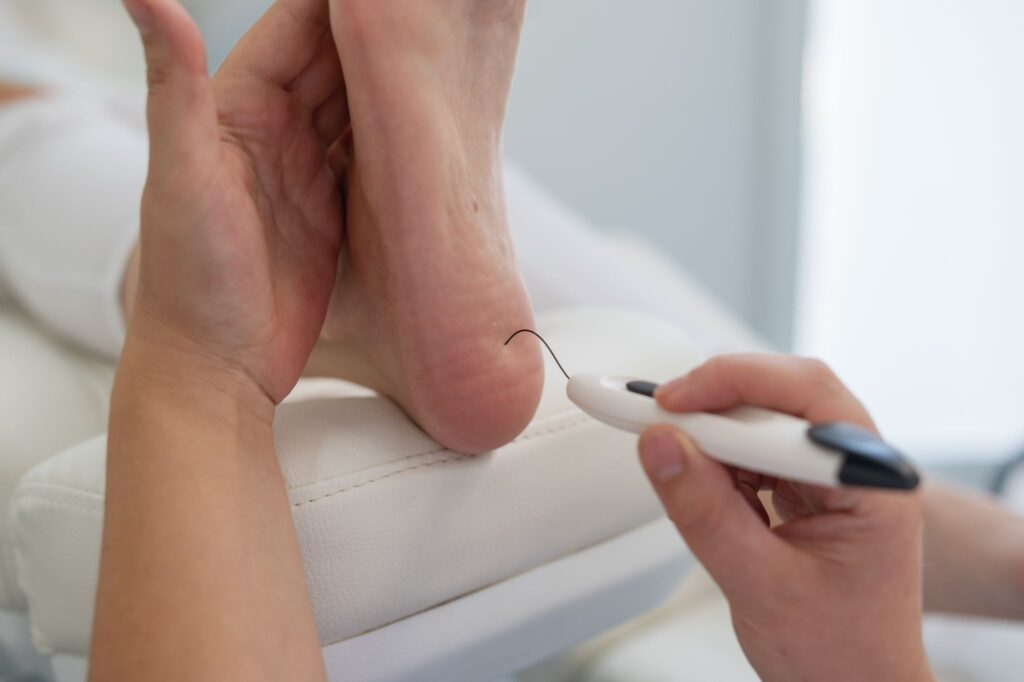
Electromagnetic therapy
Shockwave therapy
What is podiatry?
Podiatry is a healthcare discipline focused on conditions affecting the feet, ankles and lower limbs. Because the feet support the body's weight and play a vital role in movement, even minor problems can affect comfort, mobility and quality of life.
Podiatrists assess both the symptoms and the underlying factors contributing to foot and ankle problems. This may include evaluating gait patterns, foot structure, footwear choices, activity levels and medical conditions that may affect foot health.
Many foot conditions develop gradually and may worsen over time if left untreated. Early assessment can help identify the cause of symptoms and allow appropriate treatment before complications arise.
How is a podiatrist different from a physiotherapist or orthopaedic surgeon?
Different healthcare professionals play complementary roles in diagnosing and managing musculoskeletal conditions.
While these healthcare professionals may all treat musculoskeletal conditions, their areas of focus differ.
A podiatrist specialises in conditions affecting the feet, ankles, lower limbs and toenails. Treatment often includes biomechanical assessment, orthotic therapy, nail and skin care, wound management and conservative interventions for foot and ankle conditions.
A physiotherapist focuses on restoring movement, strength and function throughout the body through rehabilitation and exercise-based treatment.
An orthopaedic surgeon specialises in the diagnosis and surgical treatment of conditions affecting the bones, joints, ligaments and muscles.
Depending on the condition, podiatrists often work alongside other healthcare professionals to provide comprehensive care.
Atlas Podiatry at Phoenix Medical Group
Atlas Podiatry provides specialised foot, ankle and lower limb care from Phoenix Medical Group's Upper Thomson clinic.
Atlas Podiatry operates from our Upper Thomson clinic, providing specialised assessment and treatment for a wide range of foot, ankle, lower limb, nail and conditions.
Their team works closely with Phoenix Medical Group to provide patients with convenient access to podiatry services within a multidisciplinary healthcare setting.
When should you see a podiatrist?
Many people assume foot pain, nail or skin problems will resolve on their own. However, persistent symptoms can sometimes indicate an underlying issue that may benefit from professional assessment.
You may wish to see a podiatrist if you experience:
Difficulty finding comfortable footwear due to foot structure
Seeking professional advice early may help identify underlying causes and prevent symptoms from becoming more difficult to manage.
Why choose a podiatrist for foot pain?
Foot pain can arise from a wide range of causes, including overuse injuries, changes in foot structure, tendon problems, joint conditions and underlying medical issues. Because many of these conditions share similar symptoms, identifying the underlying cause is often an important first step towards effective treatment.
Podiatrists are trained to assess the feet, ankles and lower limbs as a whole. In addition to evaluating the area of discomfort, they consider factors such as gait patterns, foot mechanics, footwear, activity levels and medical history to understand what may be contributing to symptoms.
Whether the problem involves persistent heel pain, bunions, recurring ankle discomfort or pain during walking and exercise, a podiatry assessment can help guide appropriate treatment and long-term management.
Common foot conditions treated by podiatrists
Podiatrists manage a wide range of conditions affecting the feet, ankles, lower limbs, toenails and skin. While some issues develop gradually over time, others may arise from injury, underlying medical conditions or repetitive strain.
Below are some of the more common reasons individuals seek podiatry care:
Heel pain and plantar fasciitis
Persistent heel pain can affect everyday activities, but early assessment may help identify the underlying cause and guide treatment.
Heel pain is one of the most common reasons people seek podiatry care. While discomfort may develop gradually, it can eventually interfere with walking, exercise and daily activities.
A common cause of heel pain is plantar fasciitis, a condition involving irritation of the plantar fascia, a thick band of tissue that supports the arch of the foot. Some individuals may also develop heel spurs or other mechanical causes of heel pain.
Recurrent ingrown toenails can cause ongoing discomfort and may benefit from professional treatment.
Ingrown toenails (link to AP’s ingrown toenail) occur when the edge of the nail grows into the surrounding skin, often resulting in pain, redness, swelling or infection.
While some cases are mild, recurrent or untreated ingrown toenails can become increasingly uncomfortable and affect daily activities.
Onyfix® is a non-invasive nail correction system designed to guide nail growth and reduce pressure on the surrounding skin. Unlike surgical procedures, Onyfix® does not require nail removal and may be suitable for selected patients with recurring ingrown toenails.
Fungal toenail infections
Changes in nail colour, thickness or texture may be signs of a fungal nail infection.
Fungal nail infections can cause toenails to become thickened, brittle, discoloured or distorted in appearance.
Although fungal infections may initially appear to be a cosmetic concern, they can sometimes worsen over time and become more difficult to treat.
Lunula Laser® is a non-invasive treatment designed to target fungal nail infections without causing damage to surrounding tissue. It may be recommended as part of a broader fungal nail management plan depending on the individual's condition.
Bunions and Foot Structure Problems
Changes in foot structure may affect comfort, balance and walking mechanics over time.
The structure and alignment of the feet can have a significant impact on comfort, balance and mobility.
Conditions commonly assessed by podiatrists include:
Treatment focuses on improving foot mechanics and reducing symptoms. Depending on the individual's needs, recommendations may include custom orthotics, Richie Brace® solutions, footwear modifications and activity adjustments.
Sports injuries and running-related foot pain
Foot and ankle injuries can affect performance and recovery, particularly in active individuals.
Physical activity places repetitive stress on the feet, ankles and lower limbs. Over time, this may contribute to pain, tendon injuries or ankle instability, particularly in individuals who participate in running and sports.
Common sports-related conditions include:
Achilles tendinopathy
Tibial tendon injuries
Peroneal tendon injuries
Ankle sprains
Assessment often includes an evaluation of movement patterns, training habits and foot mechanics.
Where necessary, further investigations or tailored treatment plans may be recommended to address the underlying cause of symptoms.
What happens during a podiatry consultation?
For individuals visiting a podiatrist for the first time, the consultation typically begins with a discussion about symptoms, medical history and any factors that may be affecting foot health.
Depending on the reason for the visit, the podiatrist may assess:
Foot and ankle movement
Walking and gait patterns
Foot posture and biomechanics
Footwear habits
Skin and nail health
Areas of pain, swelling or tenderness
For patients with diabetes or wound-related concerns, additional assessments may be performed to evaluate circulation, sensation and overall foot risk.
Following the assessment, the podiatrist will explain the findings and discuss appropriate treatment options. These may include footwear advice, orthotic therapy, nail and skin care, rehabilitation strategies or other treatments tailored to the individual's condition and goals.
What are the available podiatry treatments?
Treatment recommendations vary depending on the underlying condition, severity of symptoms and individual goals. Atlas Podiatry offers a range of conservative, corrective and modern treatment options designed to improve foot health, relieve discomfort and support long-term mobility.
Nail care and toenail treatments
Unlike traditional metal wires or brackets that are used to flatten the nail and may catch on socks, Onyfix uses a specialised hardening resin that functions as a discreet nail brace. .
Atlas Podiatry offers a range of treatments designed to improve nail health and manage common nail conditions.
Understanding how the feet move and bear weight can help guide more targeted treatment recommendations.
Many foot and ankle conditions are influenced by how pressure is distributed during standing and walking.
Treatment options may include:
Custom orthotics
Richie Brace® solutions
Gait assessment
Footwear recommendations
Activity modification strategies
Advanced therapies
Advanced treatment modalities may be recommended for selected chronic foot and ankle conditions.
For selected conditions, advanced treatment options may be recommended as part of a comprehensive management plan.
Available therapies include:
Extracorporeal Shockwave Therapy (ESWT)
Electromagnetic Therapy (SIS)
These treatments are commonly used for certain chronic tendon and musculoskeletal conditions.
Diabetic foot and wound care
Ongoing foot monitoring and wound management can play an important role in preventing diabetes-related complications.
For individuals with diabetes or complex wound-related concerns, specialised services may include:
Diabetic foot care
Lower limb wound management
Total contact casting
Negative pressure therapy
Ongoing wound monitoring
Why choose Atlas Podiatry at Phoenix Medical Group?
Choosing the right healthcare provider is an important part of achieving the best possible outcome. Through its partnership with Phoenix Medical Group, Atlas Podiatry combines specialised podiatry expertise with the convenience of accessing care within a multidisciplinary medical setting.
Simultaneously, this offers patients:
Specialist podiatry expertise – Atlas Podiatry focuses exclusively on conditions affecting the feet, ankles, lower limbs, toenails and skin, allowing patients to receive specialised assessment and treatment.
Convenient Upper Thomson location – patients can access podiatry services from Phoenix Medical Group's Upper Thomson clinic, making coordinated care more convenient.
Comprehensive healthcare support – as part of a multidisciplinary healthcare environment, patients may benefit from access to both primary care services and podiatry care under one roof.
Modern treatment approaches – Atlas Podiatry offers a range of treatment options, including Onyfix®, Lunula Laser®, ESWT, custom orthotics and diabetic foot management services.
About Atlas Podiatry
Access specialised podiatry care within a multidisciplinary healthcare setting at Upper Thomson.
Atlas Podiatry provides specialised podiatry services from Phoenix Medical Group's Upper Thomson clinic.
Their team is dedicated to diagnosing, treating and preventing conditions affecting the feet, ankles, lower limbs, toenails and skin. From common conditions such as heel pain and ingrown toenails to more complex diabetic foot concerns, Atlas Podiatry aims to provide personalised care tailored to each individual's needs.
All podiatry consultations, assessments and treatments are performed by Atlas Podiatry's qualified podiatrists.
Ready to book?
Whether you are dealing with ongoing foot pain, recurring nail and skin problems or concerns related to diabetes, seeking assessment early can help provide clarity and guide appropriate treatment.
Atlas Podiatry's team is available to assess your condition and recommend a management plan tailored to your needs.
Podiatrists diagnose and manage conditions affecting the feet, ankles, lower limbs, skin and toenails. Common conditions include heel pain, ingrown toenails, fungal nail infections, callus and corns, warts, bunions, sports injuries and diabetic foot concerns.
Do I need a referral to see a podiatrist?
No, most patients can book an appointment directly without a referral.
Can podiatrists treat ingrown toenails?
Yes, podiatrists provide both conservative and procedural treatment options for ingrown toenails, depending on severity.
Can podiatrists help with plantar fasciitis?
Yes, podiatrists commonly assess and manage plantar fasciitis through a combination of footwear advice, stretching programmes, orthotics and other treatments where appropriate.
Can a podiatrist help with ankle pain?
Yes, podiatrists assess and manage a variety of conditions that may contribute to ankle pain, including tendon injuries, ankle sprains, biomechanical issues and overuse-related conditions. Following an assessment, treatment recommendations may include rehabilitation strategies, footwear modifications, orthotic therapy or other interventions depending on the underlying cause.
Are custom orthotics necessary?
Not always. Orthotics are recommended only when they are likely to address the underlying mechanical factors contributing to symptoms.
Can diabetics benefit from regular podiatry visits?
Yes, regular podiatry assessments can help detect early signs of foot complications, support preventive care and reduce the risk of serious diabetic foot problems.
Get In Touch With Us
If you have any enquiry, please do not hesitate to contact us. Leave us a message, and we will get back to you shortly.