Haze Subsidy Scheme Singapore 2026: Eligibility, Symptoms & GP Clinics Near You
Menu
Spending time indoors can help reduce exposure to haze pollutants when air quality in Singapore deteriorates.
Haze is a recurring concern in Singapore, often caused by smoke from regional forest fires drifting across the country. While reduced visibility and a smoky smell are among its more noticeable effects, prolonged exposure can also affect your health. You might experience irritated eyes, a persistent cough or breathing difficulties, particularly if you have an existing respiratory condition.
For those who need medical attention, the Ministry of Health (MOH) activated the Haze Subsidy Scheme on 12 October 2026 to help eligible Singaporeans manage the cost of treatment for haze-related conditions. Phoenix Medical Group is among the participating clinics where patients can access these subsidies.
Read on to find out how haze affects your health, whether you qualify for subsidised treatment and what the scheme covers.
How does haze affect your health?
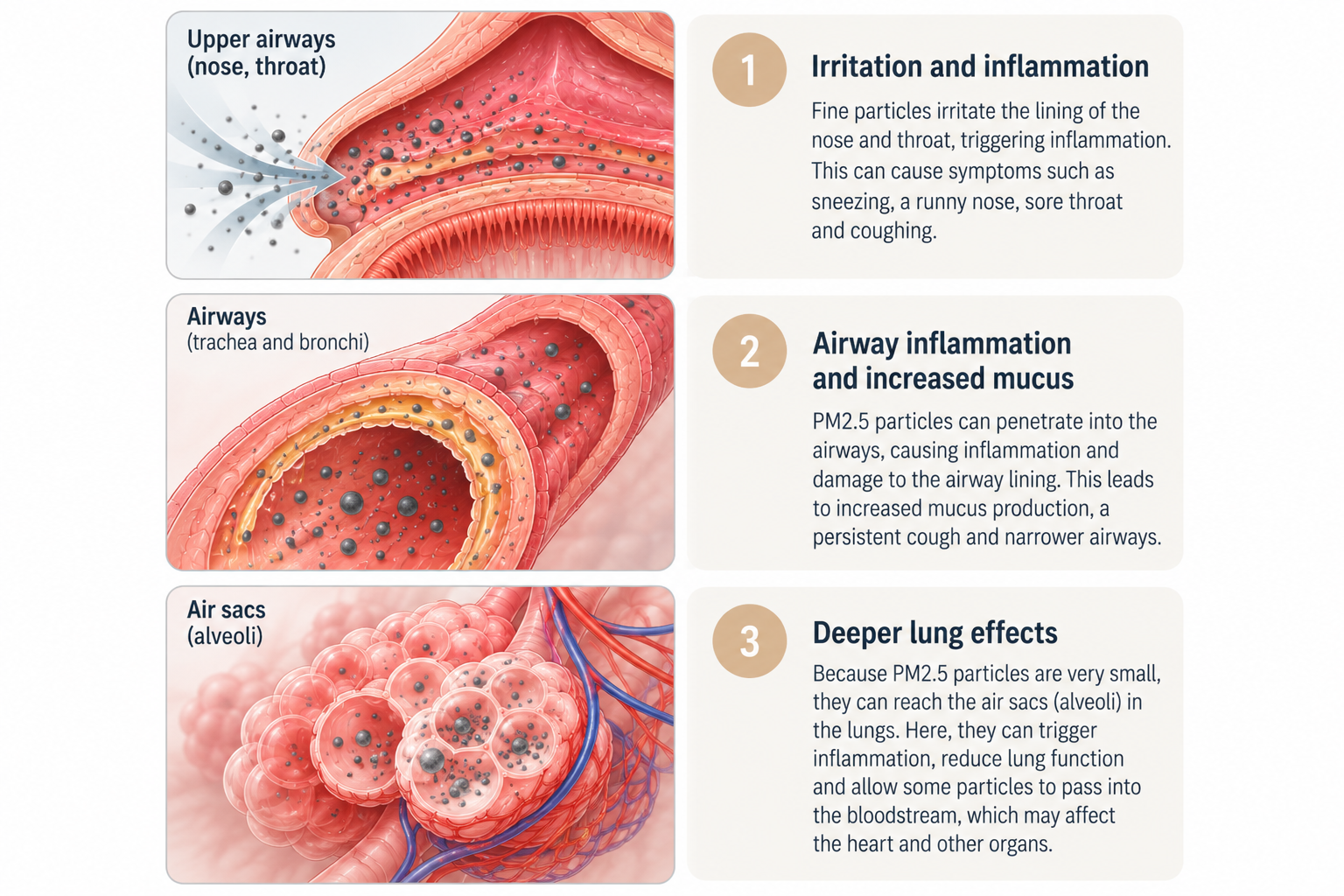
How fine particulate matter (PM2.5) from haze affects the respiratory system, causing irritation, airway inflammation and potential damage to the lungs.
Haze contains fine particulate matter (PM2.5) and other air pollutants that can irritate your eyes, nose, throat and lungs. PM2.5 particles are small enough to travel deep into the lungs, where they can trigger inflammation and worsen existing respiratory conditions.
The effects of haze depend on the severity of air pollution, how long you are exposed and your overall health. Some common symptoms include:
Eye irritation: Redness, itching, watering or a burning sensation.
Nose and throat irritation: Sneezing, a runny nose, sore throat or general discomfort.
Coughing: A persistent cough or increased mucus production as the airways become irritated.
Breathing difficulties: Shortness of breath, wheezing or chest tightness, particularly among individuals with respiratory conditions.
Worsening of existing conditions: Haze exposure can trigger asthma attacks, aggravate chronic obstructive pulmonary disease (COPD) and increase the risk of cardiovascular complications in vulnerable individuals.
Who is more vulnerable to the effects of haze?
Although haze can affect anyone, certain groups face a greater risk of developing symptoms or experiencing complications. These include young children, older adults, pregnant women and individuals with pre-existing heart or lung conditions.
For these groups, limiting outdoor activities and monitoring air quality are particularly important when pollution levels rise. Those who experience persistent symptoms or notice a worsening of their existing conditions should seek medical attention.
What is the Haze Subsidy Scheme in Singapore?
The Haze Subsidy Scheme (HSS) is a government initiative introduced by the Ministry of Health (MOH) to make medical treatment more affordable for Singaporeans affected by haze. It subsidises the cost of treatment for haze-related conditions at participating Public Health Preparedness Clinics (PHPCs), covering both the consultation and medication prescribed for qualifying conditions.
The scheme is activated during periods of significant haze, when more people may require medical attention for respiratory symptoms and other health concerns associated with poor air quality.
Under the scheme, eligible patients can receive treatment at a reduced cost, with the amount payable depending on their age, household income or eligibility for existing government healthcare assistance schemes.
Phoenix Medical Group is a participating clinic under the Haze Subsidy Scheme, allowing eligible patients to seek subsidised treatment for qualifying haze-related conditions.
Who is eligible for the Haze Subsidy Scheme?
All Singapore Citizens are eligible for the scheme at polyclinics. At participating Public Health Preparedness Clinics (PHPCs) such as Phoenix Medical Group, the following groups of Singapore Citizens are eligible:
What medical conditions are covered under the Haze Subsidy Scheme?
The Haze Subsidy Scheme covers six medical conditions and their complications, provided a doctor determines that they are related to haze exposure.
Eligible conditions include:
Medical Condition
How Haze Can Affect It
Upper respiratory tract infections (URTI)
Haze can irritate the nose and throat, worsening symptoms such as coughing, sore throat and nasal congestion.
Asthma
Air pollutants can trigger asthma symptoms, including wheezing, chest tightness and shortness of breath.
Chronic obstructive pulmonary disease (COPD)
Haze exposure can aggravate existing symptoms, leading to increased coughing, mucus production and breathing difficulties.
Allergic rhinitis
Airborne irritants can worsen nasal inflammation, causing sneezing, a runny nose and nasal congestion.
Conjunctivitis
Haze particles can irritate the eyes, resulting in redness, watering and discomfort.
Bronchitis
Haze pollutants can irritate the bronchial tubes, worsening inflammation and symptoms such as coughing, mucus production and chest discomfort.
How can you protect yourself during hazy weather?
While haze exposure cannot always be avoided, there are several ways to reduce its effects on your health. The precautions you need to take will depend on the prevailing air quality, your health and how much time you spend outdoors.
Monitor air quality — Check the National Environment Agency's (NEA) hourly PM2.5 readings and 24-hour Pollutant Standards Index (PSI) before planning outdoor activities.
Limit outdoor activities — Reduce prolonged or strenuous outdoor activities when air quality deteriorates, particularly if you belong to a vulnerable group.
Keep indoor air clean — Close windows and doors when outdoor pollution levels are high. If available, use an air purifier with a HEPA filter to reduce indoor particulate matter.
Wear an appropriate mask — A properly fitted N95 mask can help reduce exposure to fine particles when prolonged outdoor exposure is unavoidable during severe haze. However, N95 masks are generally unnecessary for brief outdoor activities, such as commuting.
Manage existing health conditions — If you have asthma or another chronic respiratory condition, continue taking your prescribed medication and keep any necessary reliever medication accessible.
When should you see a doctor for haze-related symptoms?
Mild symptoms such as throat irritation, watery eyes or occasional coughing often improve once exposure to haze is reduced. Consider consulting your doctor if you experience:
Persistent coughing — A cough that does not improve or becomes progressively worse.
Wheezing or shortness of breath — Difficulty breathing, especially if you have asthma or another respiratory condition.
Worsening of existing conditions — More frequent asthma symptoms, increased reliance on reliever medication or a noticeable change in your usual breathing.
Persistent eye irritation — Redness, discomfort or discharge that does not improve despite limiting haze exposure.
Seek emergency medical attention if you experience severe breathing difficulties, significant chest pain, confusion or fainting.
Subsidised haze-related treatment at Phoenix Medical Group
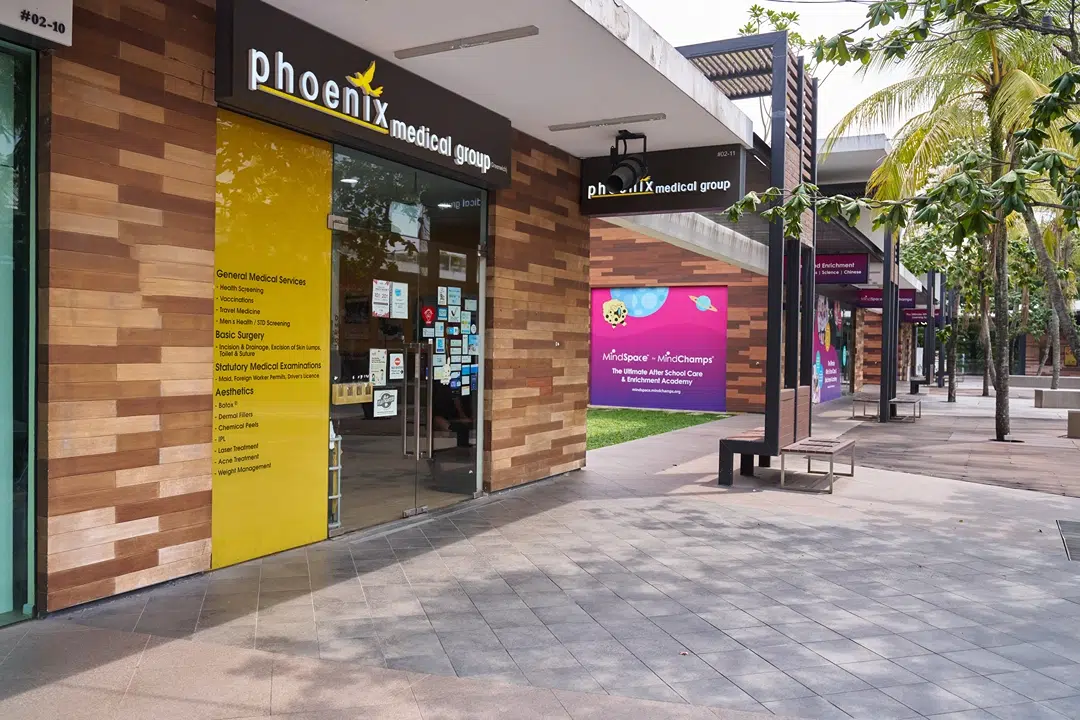
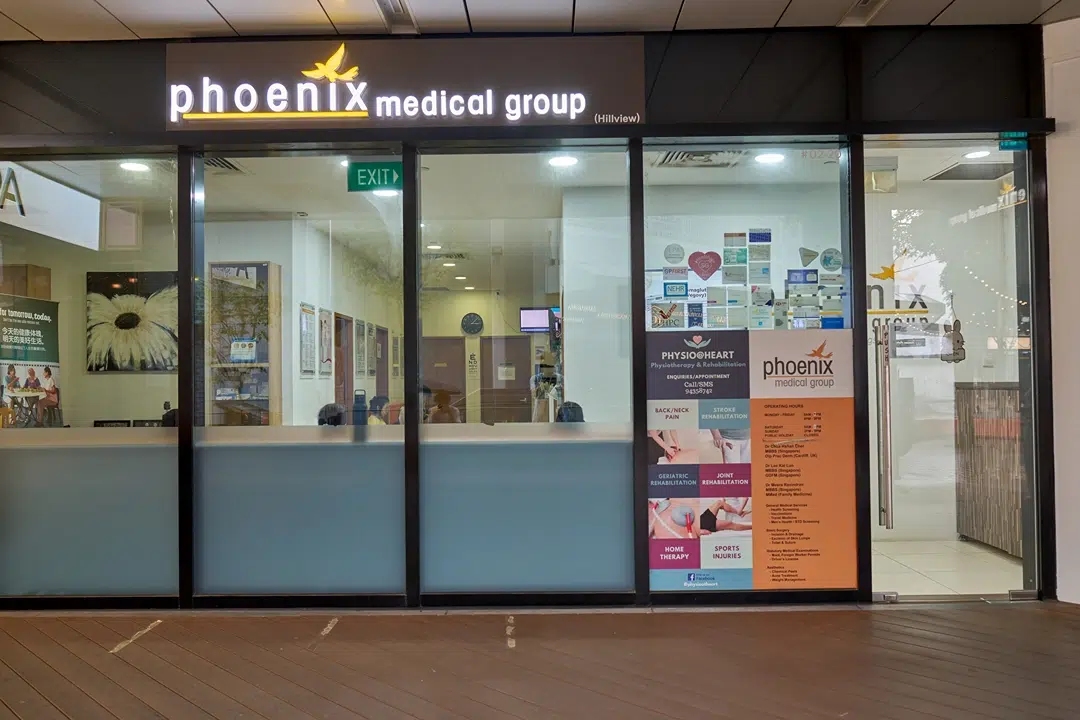
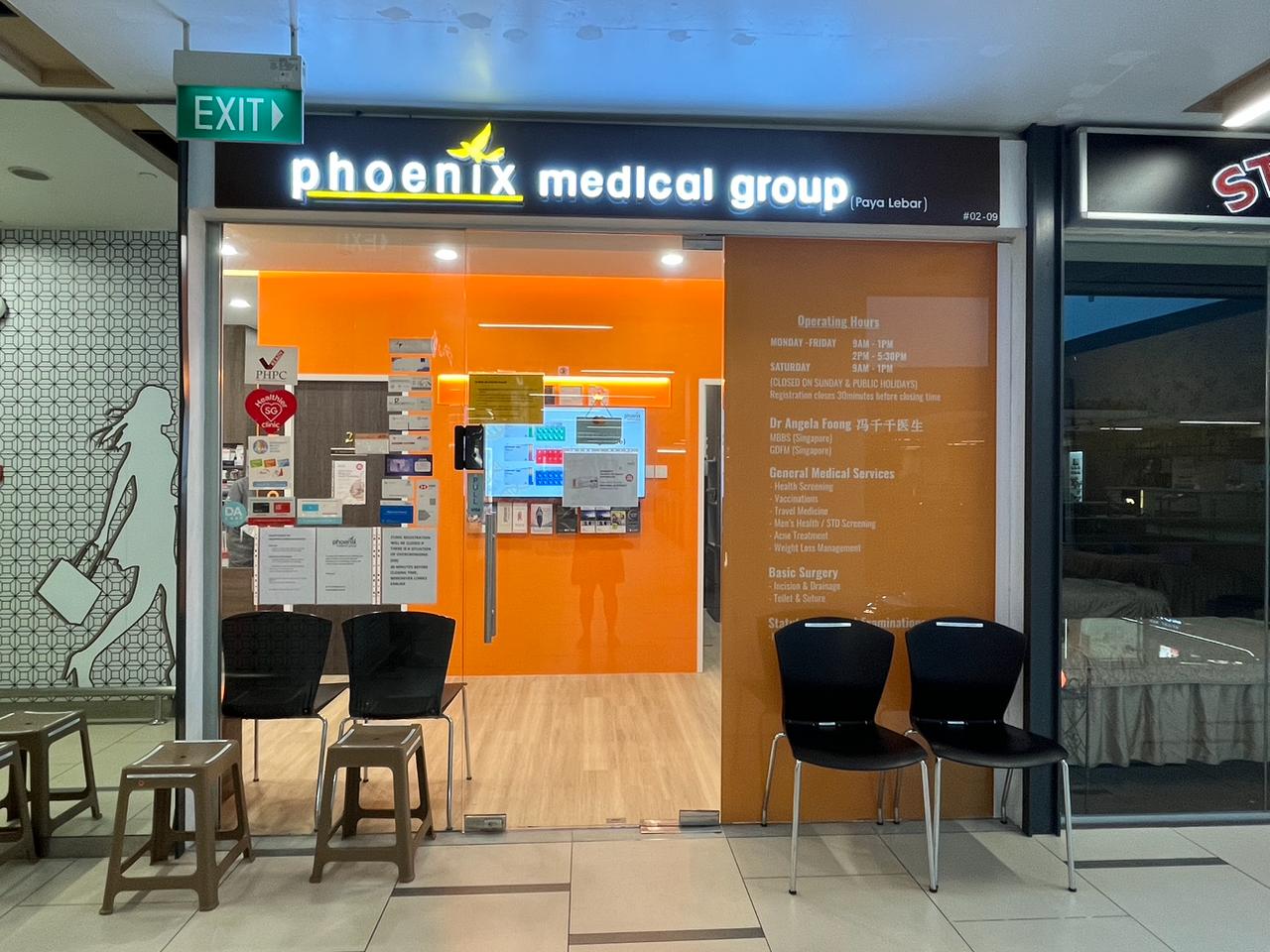
Phoenix Medical Group is a participating clinic under Singapore's Haze Subsidy Scheme, providing eligible patients with access to subsidised medical consultations for qualifying haze-related conditions.
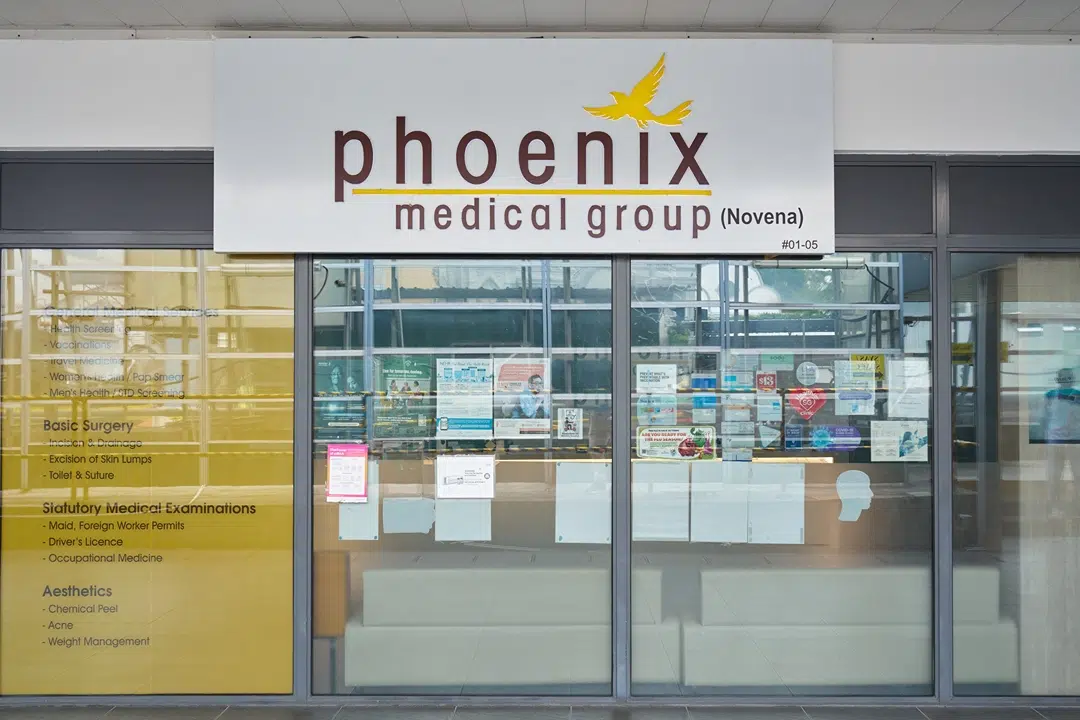
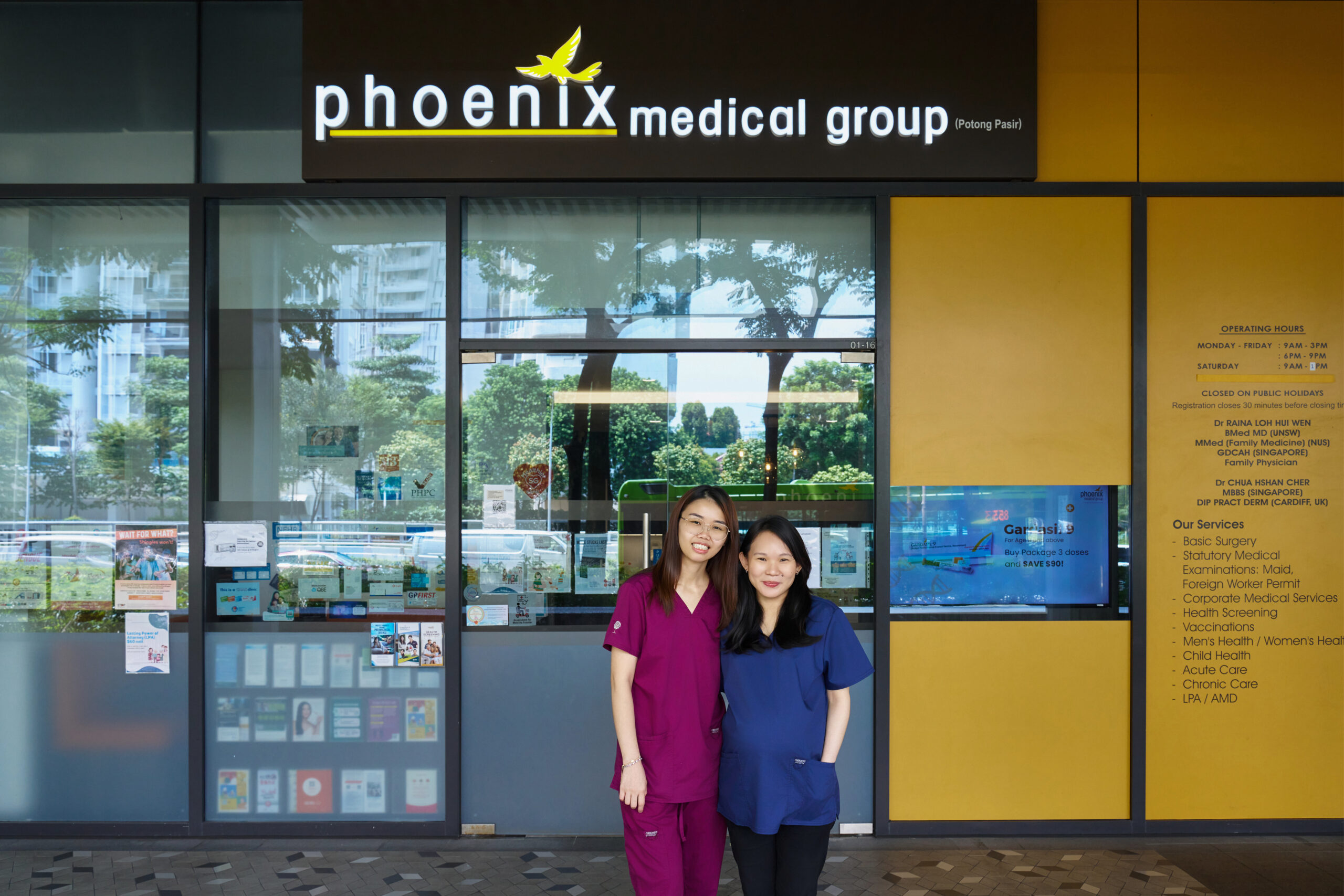
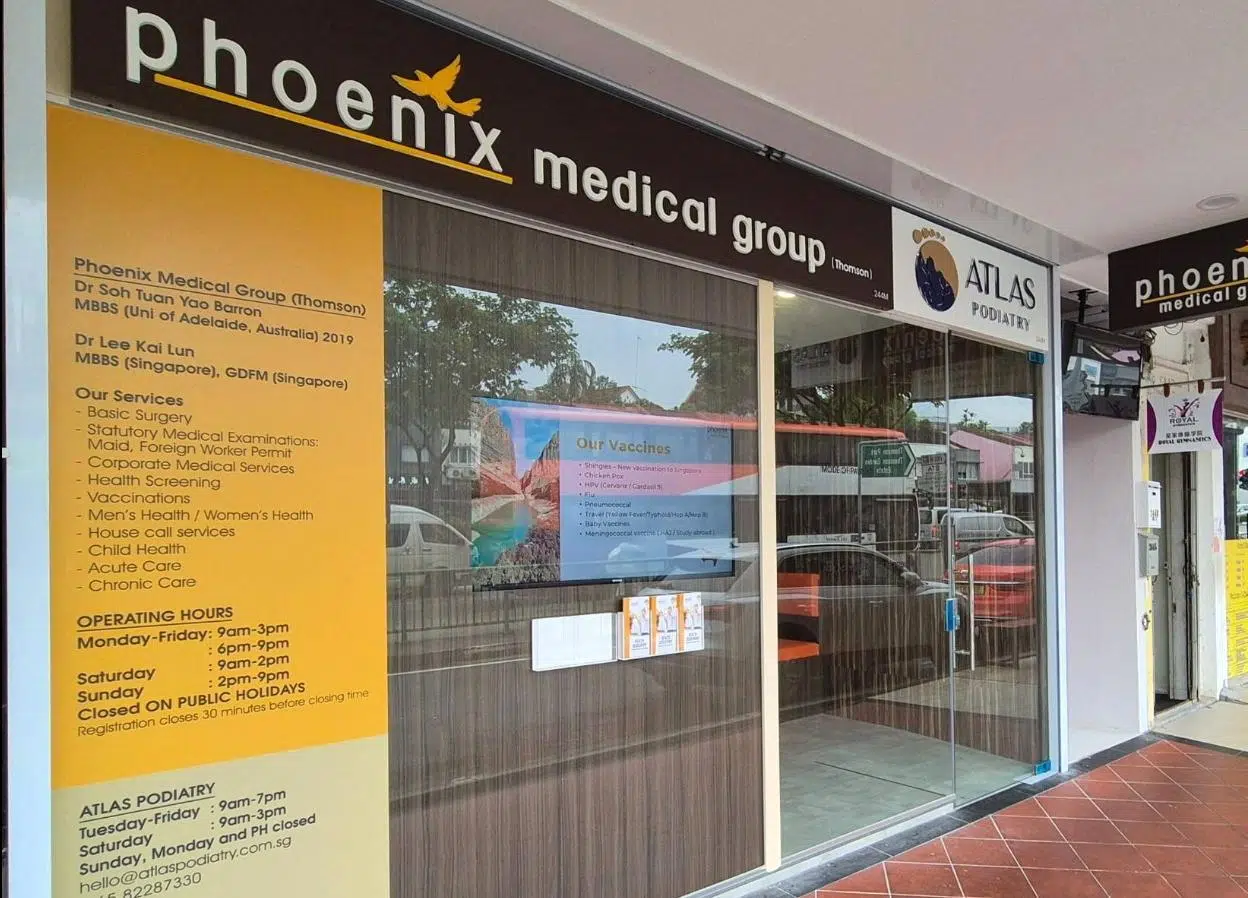
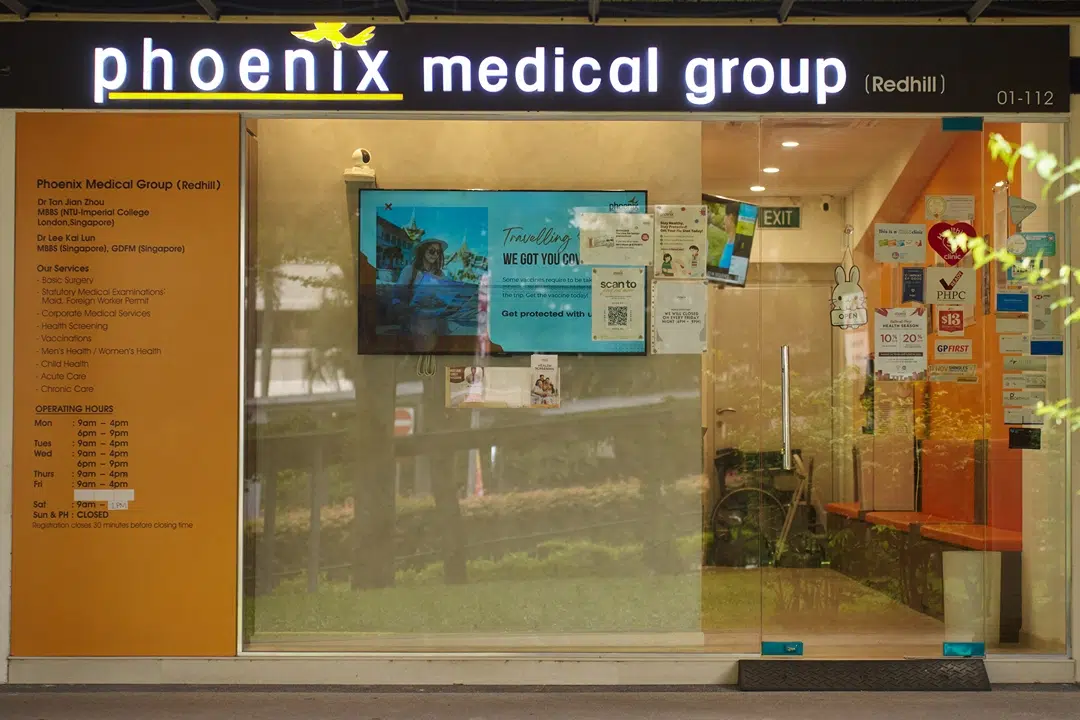
With GP clinics across Singapore, including Seletar, Hillview, Paya Lebar, Novena, Potong Pasir, Thomson, Redhill and Kovan, patients can find a GP near them for medical assessment and treatment.
Our doctors can assess symptoms such as persistent coughing, eye irritation and breathing difficulties, as well as help patients manage existing respiratory conditions that may worsen during periods of haze.
If you are experiencing haze-related symptoms or are unsure whether you qualify for the scheme, contact us to enquire about your eligibility and arrange a consultation. Our clinic staff can advise you on the applicable subsidies and documents required for your visit.
Frequently Asked Questions
Can haze make you sick?
Yes. Haze contains fine particulate matter and other pollutants that can irritate your eyes, throat and respiratory system. Exposure can cause coughing, sore throat and breathing difficulties, especially in individuals with existing respiratory conditions such as asthma or COPD.
Who is eligible for the Haze Subsidy Scheme in Singapore?
All Singapore Citizens are eligible at polyclinics. At participating PHPCs, eligibility covers children aged 18 and below, seniors aged 65 and above, CHAS Blue and Orange cardholders, Pioneer and Merdeka Generation cardholders and Public Assistance cardholders.
Can haze cause a fever?
Haze exposure does not typically cause a fever. However, symptoms such as coughing and throat irritation can resemble those of a respiratory infection. If you develop a fever, particularly alongside persistent respiratory symptoms, consult a GP to determine the underlying cause.
Does the Haze Subsidy Scheme cover medication?
Yes. Medication prescried by your doctor for a qualifying haze-related condition is included in the subsidised rate. Medication and treatment for conditions unrelated to haze are charged separately, and masks are not covered under the scheme.
Can haze cause headaches and dizziness?
Some individuals experience headaches or dizziness during periods of poor air quality. However, these symptoms are not specific to haze and can also result from dehydration, migraines or other medical conditions.
Can I receive haze subsidies without a CHAS card?
Yes. You do not necessarily need a CHAS card to qualify. Singapore Citizens aged 18 and below or 65 and above, along with certain other eligible groups, can receive subsidised treatment at participating clinics.
How long do haze-related symptoms last?
Mild symptoms, such as eye irritation or a sore throat, often improve once exposure to haze is reduced. However, symptoms can last longer in individuals with existing respiratory conditions or those exposed to polluted air for extended periods.
Is it safe to exercise outdoors during haze?
Whether outdoor exercise is advisable depends on the prevailing air quality and your health. Strenuous physical activity increases your breathing rate, which can increase the amount of pollutants inhaled. Check NEA's air quality advisories and consider exercising indoors when pollution levels are elevated.
How can I check if I qualify for subsidised haze treatment at Phoenix Medical Group?
You can contact Phoenix Medical Group before your visit to confirm your eligibility, check the applicable subsidies and find out which documents to bring.
Where can I find a GP near me for haze-related medical care?
You can visit a participating Public Health Preparedness Clinic (PHPC) for medical assessment and treatment of haze-related conditions. Phoenix Medical Group has eight clinic locations across Singapore, including Seletar, Hillview, Paya Lebar, Novena, Potong Pasir, Thomson, Redhill and Kovan.
Our GPs can assess and treat haze-related symptoms such as coughing, eye irritation and breathing difficulties. Eligible patients can also receive subsidised treatment under the Haze Subsidy Scheme at participating clinics.
Get In Touch With Us
If you have any enquiry, please do not hesitate to contact us. Leave us a message, and we will get back to you shortly.