Should My Teen Get the HPV Vaccine? A Doctor’s Guide
The HPV vaccine helps protect teens from future HPV-related cancers and diseases, giving both children and families peace of mind and long-term health protection.
As a parent, you want to give your child the best possible start in life, and that includes protecting their long-term health. One important step is the human papillomavirus (HPV) vaccine, which protects against the virus. HPV is extremely common and is linked to several cancers and conditions that can affect both men and women.
The good news is that HPV-related diseases are largely preventable with vaccination. For many parents in Singapore, the question is not just whether the vaccine is necessary, but also when their teen should receive it, how safe it is, and what to expect.
This guide will walk you through everything you need to know about the HPV vaccine, based on current recommendations and clinical evidence.
What is HPV and Why is it a Concern?
HPV, or human papillomavirus, is one of the most prevalent viral infections worldwide. It is estimated that more than half [1] of sexually active people will be exposed to HPV at some point in their lives. The virus spreads primarily through skin-to-skin and sexual contact, and because it is so common, most people who contract HPV may not even realise it.
The body’s immune system often clears the infection naturally within a year or two. However, some HPV strains are more persistent [2]. When these high-risk types remain in the body, they can cause changes in cells that may develop into cancer years or even decades later.
The high-risk HPV strains are strongly associated with several cancers, including:
Cervical cancer in women, where almost all cases [3] are linked to HPV infection
Meanwhile, low-risk strains of HPV, although not cancer-causing, are responsible for genital warts [7], a common and distressing condition that can affect self-esteem and relationships.
In Singapore, cervical cancer continues to be a significant concern [8], ranking among the top 10 cancers in women. According to local statistics, hundreds of women are diagnosed every year, with many cases detected in their 30s to 50s. This is an age range when women are often balancing careers, families, and personal commitments.
What is important to remember is that HPV-related diseases are largely preventable. By vaccinating your teens before they are exposed to the virus, you are providing them with a powerful layer of protection against cancer and other HPV-related conditions later in life.
How Does the HPV Vaccine Work?
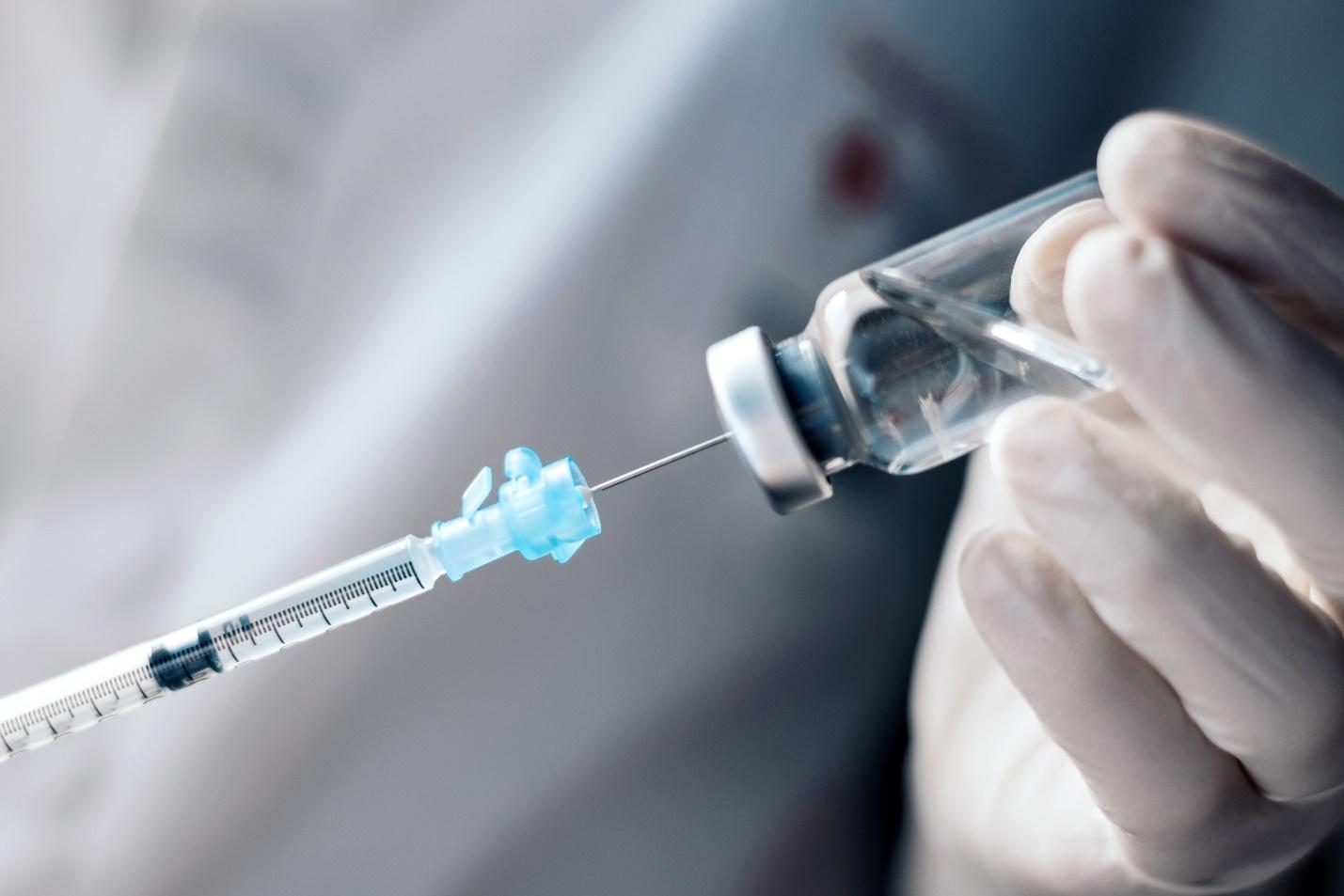
HPV vaccination works by safely mimicking the virus, helping the body build long-lasting protection without infection.
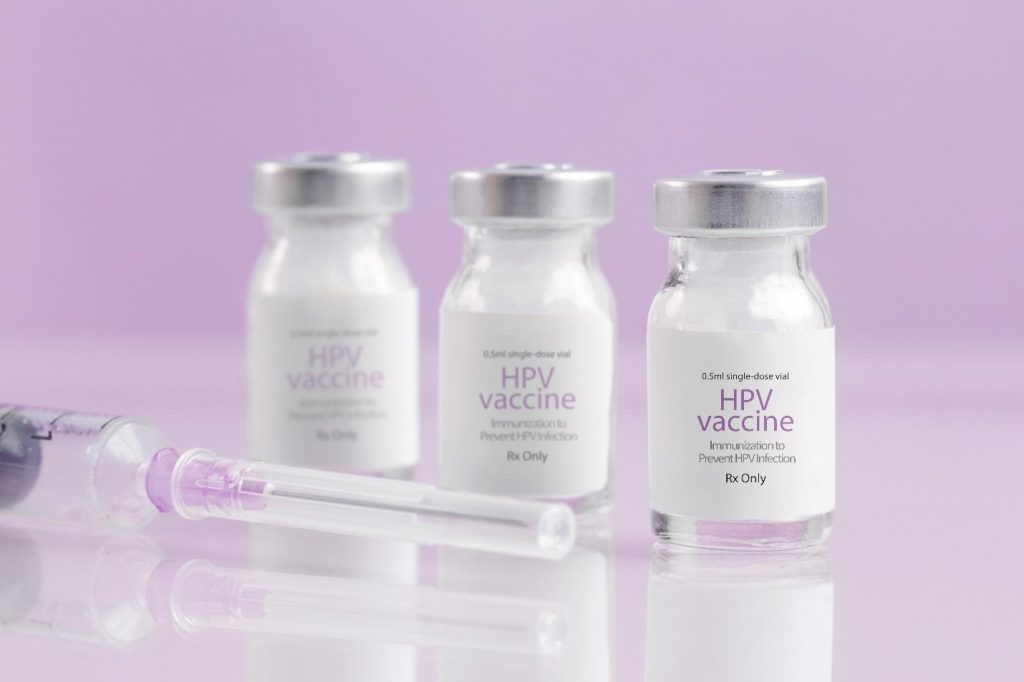
The HPV vaccine is designed to teach the body’s immune system how to recognise and fight HPV before an actual infection occurs. It contains virus-like particles (VLPs) that resemble the outer shell of the human papillomavirus but contain no genetic material. This means the vaccine cannot cause HPV infection.
Once the vaccine is given, the immune system responds by producing antibodies that remain in the body for years. If your teens are later exposed to HPV, these antibodies act like a protective shield, neutralising the virus before it can cause any damage.
This pre-emptive protection is why vaccination works best before HPV exposure, ideally during the teenage years.
Gardasil-4 vs Gardasil-9: What is the Difference?
Parents may come across two versions of the HPV vaccine: Gardasil-4 and Gardasil-9. It can be confusing to know which one is more suitable for their teens. Both vaccines are designed to protect against the most dangerous strains of HPV, but the difference lies in the breadth of coverage.
Gardasil-4 was the earlier version and protects against four HPV types:
HPV 16 and 18 – these are high-risk strains responsible for about 70% of cervical cancers [9] worldwide. They are also linked to other cancers, including anal, penile, and throat cancers.
HPV 6 and 11 – these are low-risk strains that do not cause cancer but are responsible for about 90% of genital warts [10]. While not life-threatening, genital warts can be distressing, difficult to treat, and may recur.
Gardasil-9 builds on this protection by covering the same four strains as Gardasil-4 plus five additional high-risk strains: 31, 33, 45, 52, and 58. These added strains are significant because they account for an additional 20% of cervical cancers globally [11]. By including them, Gardasil-9 protects against about 90% of all cervical cancers, as well as other HPV-related cancers in both men and women.
This broader coverage is why Gardasil-9 is now the standard vaccine in Singapore. It offers families greater reassurance that their teens are receiving more comprehensive protection available today.
At What Age Should My Teen Get the HPV Vaccine?
Timing is crucial for HPV vaccination. Both the World Health Organization (WHO) and the Ministry of Health (MOH) in Singapore recommend vaccination during adolescence, ideally before the onset of sexual activity.
Generally, the time frame is as follows:
The optimal age is 9 to 14 years old, when the immune system produces a stronger and more effective response to the vaccine.
Both girls and boys should receive the HPV vaccine. HPV does not only affect women. It can cause cancers of the throat, anus, and penis in men as well. Vaccinating boys also helps reduce HPV circulation in the community.
For those who missed vaccination in early adolescence, a catch-up programme is available up to age 26 years old, ensuring young adults can still benefit from protection.
Is the HPV Vaccine Safe for Teenagers?
The HPV vaccine is safe, well studied, and closely monitored worldwide — protecting teens today for a healthier tomorrow.
When it comes to any vaccine, safety is often the first question on a parent’s mind. The HPV vaccine has one of the most extensively studied safety records among modern vaccines. Since its introduction more than 15 years ago, over 500 million doses have been administered worldwide. Data from numerous large-scale studies, as well as continuous monitoring by global health authorities, show that the vaccine is both safe and effective.
Common, short-term side effects
Like many other routine vaccines, the HPV vaccine may cause mild and temporary side effects. These include:
A low-grade fever
Headache, tiredness or mild muscle aches
Soreness, redness or swelling at the injection site
These reactions are usually short-lived, lasting a day or two, and indicate that the immune system is responding to the vaccine.
Rare, serious side effects
Serious side effects are extremely rare. Ongoing global safety monitoring has found no consistent evidence [12] linking the HPV vaccine to long-term complications. The vaccine’s safety record is comparable to other widely used childhood and adolescent vaccines.
Myths and misconceptions
Misinformation online has led some parents to worry about issues such as infertility, autoimmune conditions, or chronic illnesses. Extensive scientific research has confirmed that the HPV vaccine does not cause infertility or affect long-term health [13]. Multiple studies conducted across different populations and age groups have consistently reached the same conclusion, which is that the HPV vaccine is safe.
Local reassurance in Singapore
In Singapore, all vaccines, including Gardasil 9, are strictly regulated by the Health Sciences Authority (HSA). The HSA continuously monitors vaccine safety and effectiveness, giving parents the added assurance that their teen is receiving a trusted and thoroughly vetted vaccine.
How Many Doses for HPV Are Needed and What’s the Schedule?
The number of doses required depends on your child’s age at the time of vaccination. This is because younger immune systems tend to respond more efficiently, meaning fewer doses are needed for lasting protection.
The timeline generally looks like:
Ages 9 to 14 years – only 2 doses are needed. The second dose is given 6 to 12 months after the first.
Ages 15 to 26 years – a 3-dose schedule is recommended. The doses are spaced at 0, 2, and 6 months.
If your teens miss a scheduled dose, there is no need to restart the entire course. Our doctor will adjust the timing to ensure the series is completed. What matters most is that your teens receive the full set of doses, as this ensures protection against HPV.
Is the HPV Vaccine Subsidised in Singapore?
The HPV vaccine is part of Singapore’s broader strategy to prevent cancer and protect population health. To make it more accessible for families, several subsidy schemes are in place:
School-Based HPV Vaccination Programme – secondary girls are eligible to receive the HPV vaccine at no cost, administered directly in school as part of the national health initiative.
CHAS and MediSave – Singapore Citizens can use CHAS subsidies and claim up to SGD500 yearly from MediSave per account to offset the cost of HPV vaccination at approved clinics. This makes vaccination more affordable for families of different income levels.
Public and private clinics – HPV vaccination is widely available. While public clinics typically follow national subsidy schemes, private clinics may also offer packages for the full vaccination series.
What Should I Expect During My Teen’s HPV Vaccination Appointment?
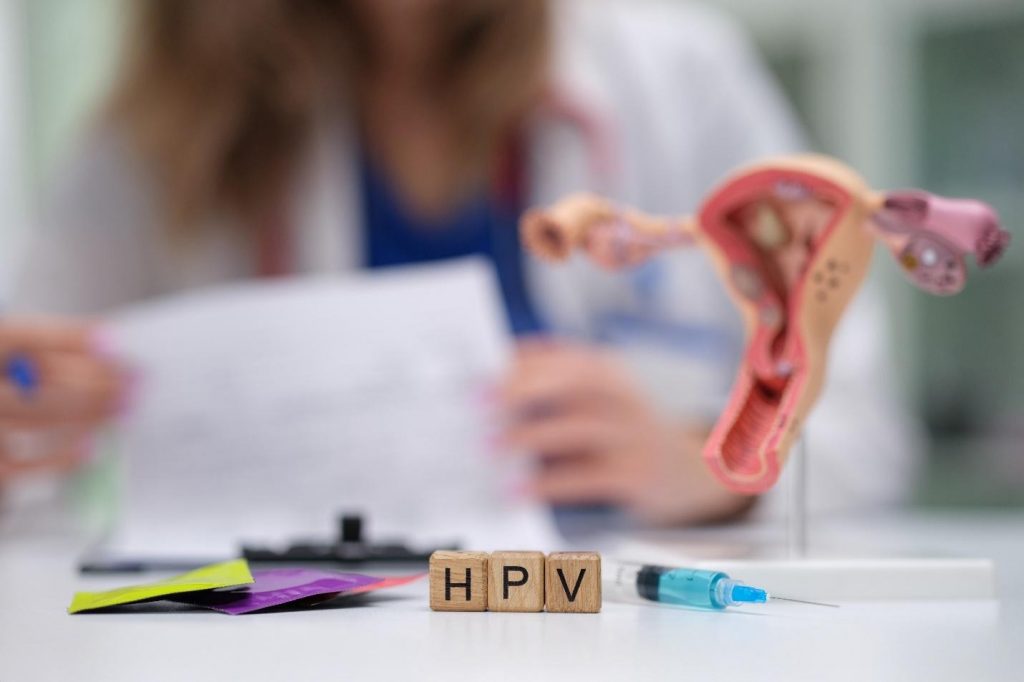
The HPV vaccine safeguards women’s health by preventing cervical cancer and other HPV-related diseases before they develop.
For many parents and teens, knowing what to expect can help reduce any nervousness about vaccination. The process is simple, efficient, and usually completed within half an hour.
It entails:
Pre-vaccination check – our doctor will review your teen’s health history, allergies and suitability for the vaccine. This step ensures that your child is medically fit for vaccination.
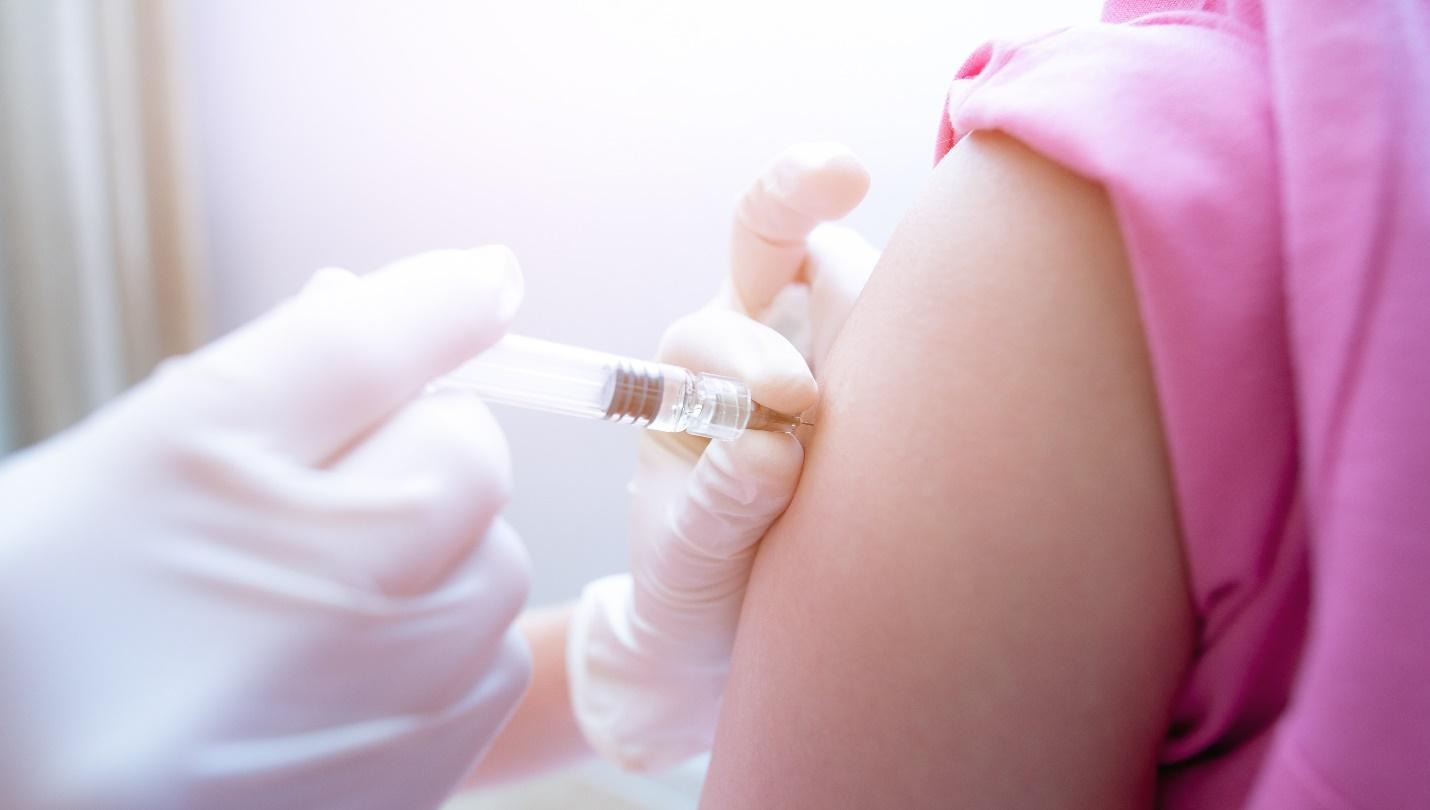
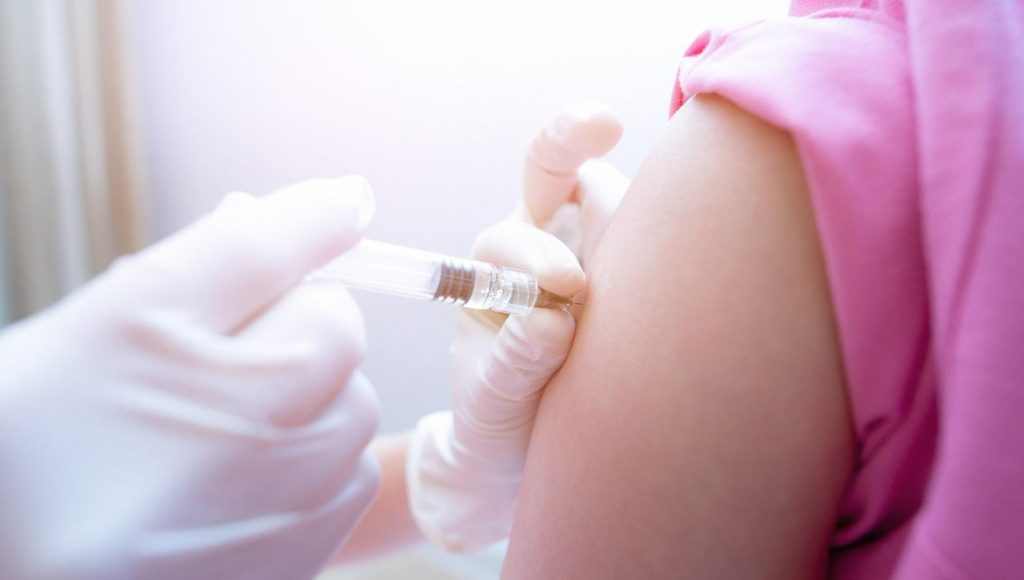
Injection – the vaccine is given as a quick injection in the upper arm. The procedure is similar to other routine vaccinations and is usually well-tolerated.
Observation period – after the injection, your teen will remain in the clinic for about 15 minutes. This is standard practice to ensure there are no immediate side effects.
Post-care – mild arm soreness or a temporary fever may occur, but typically resolves quickly. Most teens can return to school, sports or their usual activities straight after the appointment.
Our clinic will also schedule reminders for the next dose, helping your teen stay on track to complete the full vaccination series.
Give Your Teen a Head Start on Health
The HPV vaccine is a safe and effective tool in preventing HPV-related cancers and diseases. By choosing to vaccinate your teens, you are investing in their long-term health and protecting them from conditions that may only surface decades later.
At Phoenix Medical Group, we understand that parents want clear answers and reliable guidance when it comes to their child’s health. Our doctors are here to provide professional advice, address your concerns and ensure your teens receive the best care.
Ault K. A. (2006). Epidemiology and natural history of human papillomavirus infections in the female genital tract. Infectious diseases in obstetrics and gynecology, 2006 Suppl, 40470. https://doi.org/10.1155/IDOG/2006/40470
So, K. A., Lee, I. H., Lee, K. H., Hong, S. R., Kim, Y. J., Seo, H. H., & Kim, T. J. (2019). Human papillomavirus genotype-specific risk in cervical carcinogenesis. Journal of gynecologic oncology, 30(4), e52. https://doi.org/10.3802/jgo.2019.30.e52
Baba, S. K., Alblooshi, S. S. E., Yaqoob, R., Behl, S., Al Saleem, M., Rakha, E. A., Malik, F., Singh, M., Macha, M. A., Akhtar, M. K., Houry, W. A., Bhat, A. A., Al Menhali, A., Zheng, Z. M., & Mirza, S. (2025). Human papilloma virus (HPV) mediated cancers: an insightful update. Journal of translational medicine, 23(1), 483. https://doi.org/10.1186/s12967-025-06470-x
Sabatini, M. E., & Chiocca, S. (2020). Human papillomavirus as a driver of head and neck cancers. British journal of cancer, 122(3), 306–314. https://doi.org/10.1038/s41416-019-0602-7
Hussein, A. A., Helder, M. N., de Visscher, J. G., Leemans, C. R., Braakhuis, B. J., de Vet, H. C., & Forouzanfar, T. (2017). Global incidence of oral and oropharynx cancer in patients younger than 45 years versus older patients: A systematic review. In European Journal of Cancer (Vol. 82, pp. 115–127). Elsevier BV. https://doi.org/10.1016/j.ejca.2017.05.026
Bhatia, N., Lynde, C., Vender, R., & Bourcier, M. (2013). Understanding genital warts: epidemiology, pathogenesis, and burden of disease of human papillomavirus. Journal of cutaneous medicine and surgery, 17 Suppl 2, S47–S54
Chan, Y.M., Ismail, M.Z.H. & Khaw, WF. Factors influencing the prevalence of cervical cancer screening in Malaysia: a nationwide survey. BMC Women's Health 23, 389 (2023). https://doi.org/10.1186/s12905-023-02553-3
Works Cited Ramakrishnan, S., Partricia, S., & Mathan, G. (2015). Overview of high-risk HPV’s 16 and 18 infected cervical cancer: Pathogenesis to prevention. In Biomedicine & Pharmacotherapy (Vol. 70, pp. 103–110). Elsevier BV. https://doi.org/10.1016/j.biopha.2014.12.041
Schmuhl, N. B., Mooney, K. E., Zhang, X., Cooney, L. G., Conway, J. H., & LoConte, N. K. (2020). No association between HPV vaccination and infertility in U.S. females 18-33 years old. Vaccine, 38(24), 4038–4043. https://doi.org/10.1016/j.vaccine.2020.03.035