ANNOUNCEMENT: Get protected with our flu and pneumococcal vaccine at any PMG clinic near you!

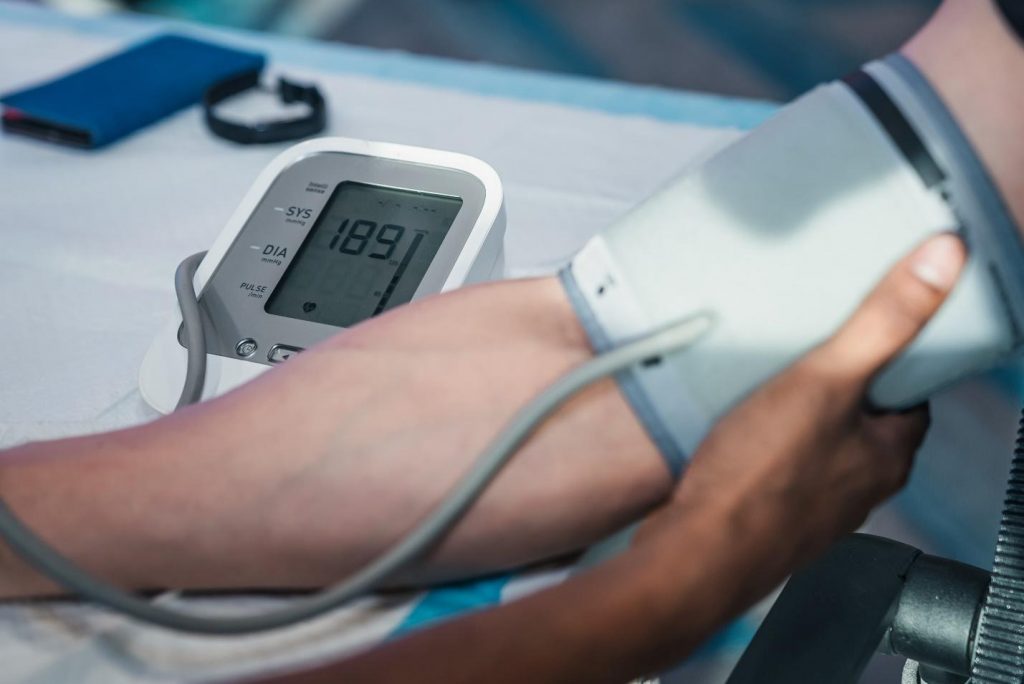
High blood pressure or hypertension, describes a condition where the pressure of blood against the walls of the arteries remains consistently higher than normal. While a temporary rise in blood pressure can occur during stress or exercise, hypertension refers to the condition where the elevated pressure persists even at rest. This persistent force gradually damages arteries and burdens the heart, often without any obvious warning signs.
In Singapore, hypertension is one of the most common chronic health conditions. According to the Ministry of Health, about 1 in 4 adults aged 30 to 69 live with high blood pressure, with the number climbing steadily with age. Because the condition is often symptom-free in its early stages, many people only discover it during routine health screenings or when complications arise.
Hypertension is not the same for everyone. This is because it can develop in different ways depending on the underlying cause.
The 2 main types are:
Blood pressure is measured using two numbers, which are:
The Ministry of Health (MoH) classifies hypertension as follows:
BP (Average of 2 more more readings)
| Systolic BP (mmHg) | Diastolic BP (mmHg) | Category |
| <130 | <85 | Normal |
| 130-139 | 85-89 | High-normal BP |
| 140-159 | 90-99 | Grade 1 Hypertension |
| 160-179 | 100-109 | Grade 2 Hypertension |
| ≥180 | ≥110 | Grade 3 Hypertension |
| ≥140 | <90 | Isolated Systolic Hypertension (graded by systolic cut-offs as above) |
The condition occurs when the balance between the amount of blood pumped by the heart and the resistance in the arteries is disrupted. Some of the several mechanisms that can drive this imbalance include:
Hypertension is often referred to as a “silent” condition because most people do not notice symptoms until complications arise. However, in some cases, individuals may experience:
Because symptoms are often absent, it is best to undergo routine blood pressure checks to detect hypertension early. This is even more important for individuals with high-risk factors.

Not everyone develops hypertension, but certain factors make it more likely. Some risks are beyond personal control, while lifestyle choices shape others.
This includes:
Although high blood pressure may not cause immediate discomfort, its effects ripple silently through the body. As time passes, the added strain damages blood vessels and vital organs, gradually undermining health. The impact is wide-reaching and affects both physical well-being and daily living.
This may include:
Unmanaged hypertension is often described as a “silent killer” because it slowly erodes health without obvious warning signs. Without prompt intervention, it significantly raises the risk of severe and sometimes life-threatening complications.
The longer blood pressure remains uncontrolled, the greater the damage to arteries and organs, leaving the body more vulnerable to sudden health crises, such as:

Managing hypertension is not about a single prescription or clinic visit. It is an ongoing journey that involves active participation and lifestyle changes. A personalised management plan is designed to gradually bring blood pressure into a healthier range while lowering the risk of complications.
Some of the steps may involve:
A structured programme provides more than just numbers on a blood pressure chart. It equips patients with the tools, knowledge and confidence to take charge of their health. At Phoenix Medical, our programme entails:
| Initial consultation and history | Your first appointment focuses on understanding you as a whole person. Our doctor will review your medical history, current medications, family history and daily habits such as diet, alcohol use, sleep and stress. Bringing a list of medicines and any home blood pressure readings will help the doctor build a clear starting picture. |
| Baseline measurements | Expect several measurements to be taken in the clinic. It may include seated resting blood pressure (with multiple readings), heart rate, weight, body mass index and waist circumference. These baseline values form the reference point for future progress. |
| Targeted investigations | Depending on the assessment, our doctor will order tests to look for causes or complications. Typical investigations include blood tests (for kidney function, electrolytes, blood sugar and lipids), urine checks and, where indicated, an ECG or other imaging. These tests help tailor treatment and check for secondary causes of raised pressure. |
| Cardiovascular risk assessment and goal setting | Our doctor will assess your overall cardiovascular risk and set personalised blood pressure goals. This step clarifies priorities, whether the immediate aim is symptom control, organ protection or long-term prevention and guides how aggressive treatment should be. |
| Personalised care plan | You will receive a written plan that blends practical lifestyle advice with medical options. The lifestyle elements are realistic and tailored: specific dietary suggestions, an achievable exercise plan, sleep and stress strategies and guidance on alcohol and smoking reduction. |
| Medication discussion and initiation (if needed) | If lifestyle changes are not sufficient, our doctor will explain why medication is recommended, how it works, the likely benefits and possible side effects. Treatment may start with a single drug or a combination, which is chosen to suit your health profile and any other conditions you have. |
| Home monitoring and self-management support | You will be shown how to measure blood pressure correctly at home, when to record readings and how to bring logs to the clinic. Practical tips and educational resources are provided, so you feel confident monitoring results between visits. |
| Early review and treatment adjustment | After starting treatment or making significant changes, a follow-up review checks response and tolerability. Medication doses may be adjusted and lifestyle targets refined so your plan remains effective and manageable. |
| Escalation and specialist referral when required | If blood pressure remains difficult to control or tests suggest a secondary cause, our team will arrange further investigations or refer you to a specialist for more focused care. |
| Long-term maintenance and prevention | Once targets are met, the programme shifts towards maintenance: regular checks, reinforcement of healthy habits and periodic reassessment of risk. The emphasis is on sustaining control, preventing complications and preserving quality of life. |
This programme is designed for anyone who has been diagnosed with hypertension, as well as those at high risk of developing it. It is also recommended for individuals who:
High blood pressure may be a silent condition, but its impact on health is profound. Left unmanaged, it chips away at arteries and vital organs, quietly raising the risk of heart disease, kidney failure and stroke. Fortunately, hypertension is a condition that can be controlled with the right strategies.
Through a combination of lifestyle changes, regular monitoring and medical guidance, blood pressure can be managed effectively. This not only reduces the risk of serious complications but also restores energy, confidence and quality of life. If you have concerns about your blood pressure, seeking professional help early can make all the difference. Take the first step towards protecting your heart, health and future by getting in touch to schedule an appointment.
Most adults should have their blood pressure checked at least once a year. If you are at higher risk or already diagnosed with hypertension, more frequent monitoring may be necessary.
Hypertension is usually a long-term condition, but it can be effectively managed. With consistent lifestyle adjustments and, when necessary, medication, many people achieve healthy blood pressure levels.
Not always. Some individuals may manage blood pressure successfully through lifestyle changes, while others require ongoing medication. Our doctor will tailor the approach to your needs.
Foods high in sodium, such as processed snacks, canned soups and cured meats, excessive alcohol and saturated fats should be limited. A heart-friendly diet focuses on fresh vegetables, fruits, lean protein and whole grains.
Yes. Chronic stress can contribute to temporary spikes in blood pressure and unhealthy coping behaviours such as overeating or smoking, which worsen hypertension over time.
Yes. Regular aerobic and resistance exercise helps improve circulation, strengthen the heart and lower overall blood pressure. Even moderate activity, such as brisk walking, can make a difference.




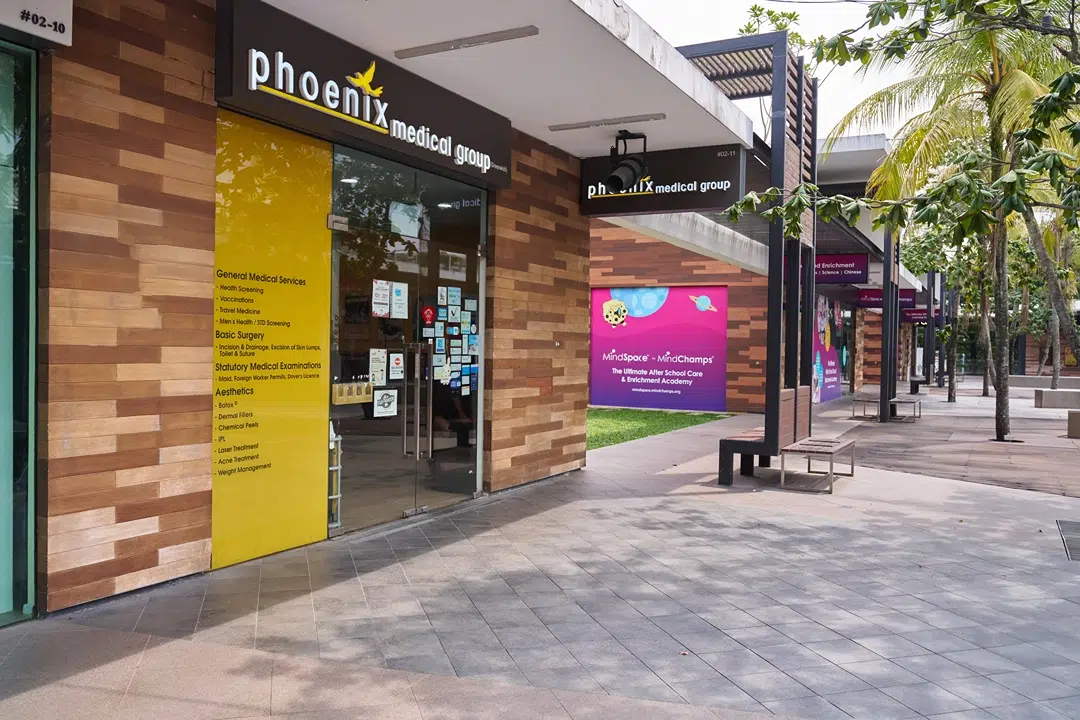
9:00am - 8:30pm
9:00 am - 8:30 pm
9:00 am - 8:30 pm

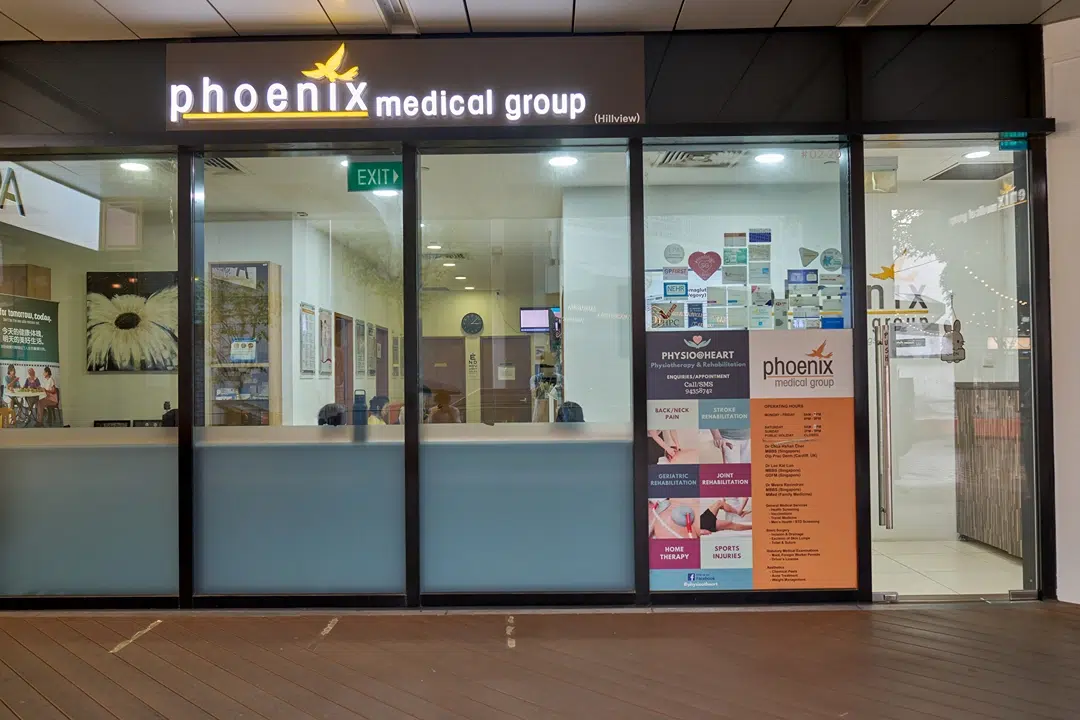
9:00 am - 4:30 pm
6:00 pm - 8:30 pm
9:00 am - 12:30 pm
2:00 pm - 8:30 pm

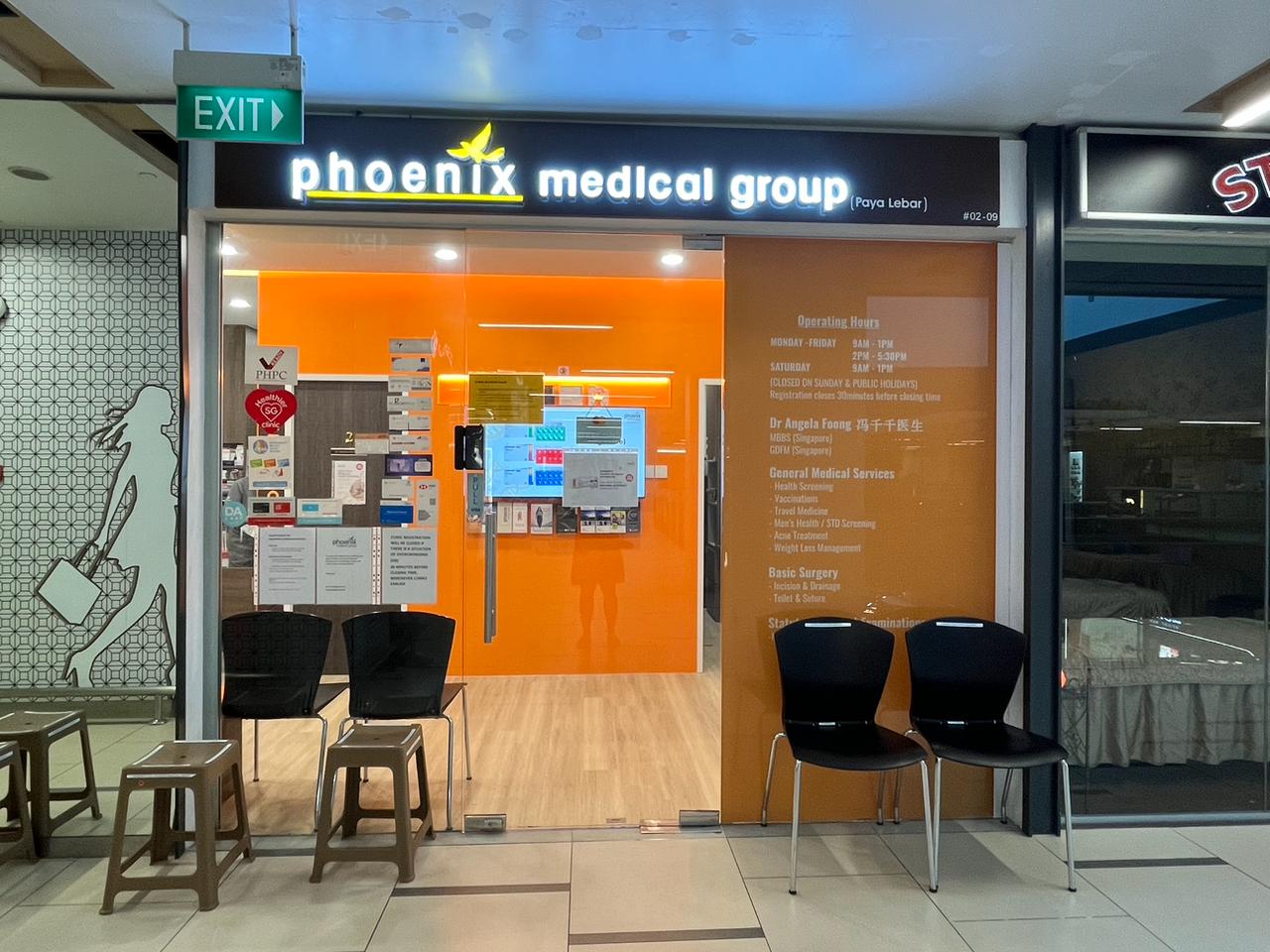
60 Paya Lebar Road, #02-09 Paya Lebar Square, Singapore 409051
9:00 am - 12:30 pm
2:00 pm - 5:00 pm
9:00 am - 12:30 pm


275 Thomson Road,
#01-05 Novena Regency,
Singapore 307645
9:00 am - 2:30 pm
6:00 pm - 8:30 pm (Mon, Tue, Wed & Fri)
9:00 am - 12:30 pm
2:00 pm - 8:30 pm
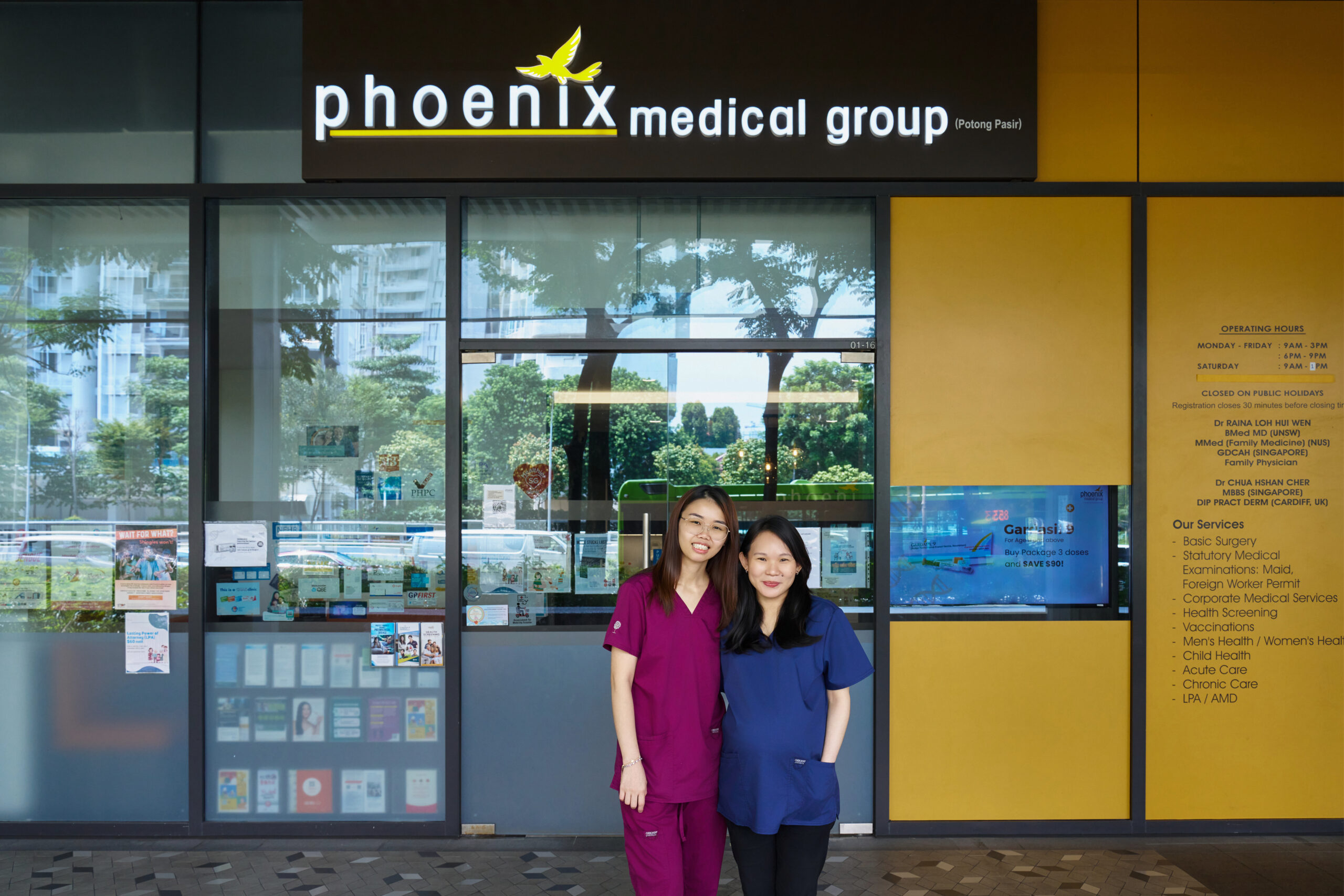
The Venue Shoppes,
2 Tai Thong Crescent, #01-16,
Singapore 347836
9:00 am - 2:30 pm
6:00 pm - 9:00 pm (Mon, Wed & Thu)
9:00 am - 12:30 pm
Closed

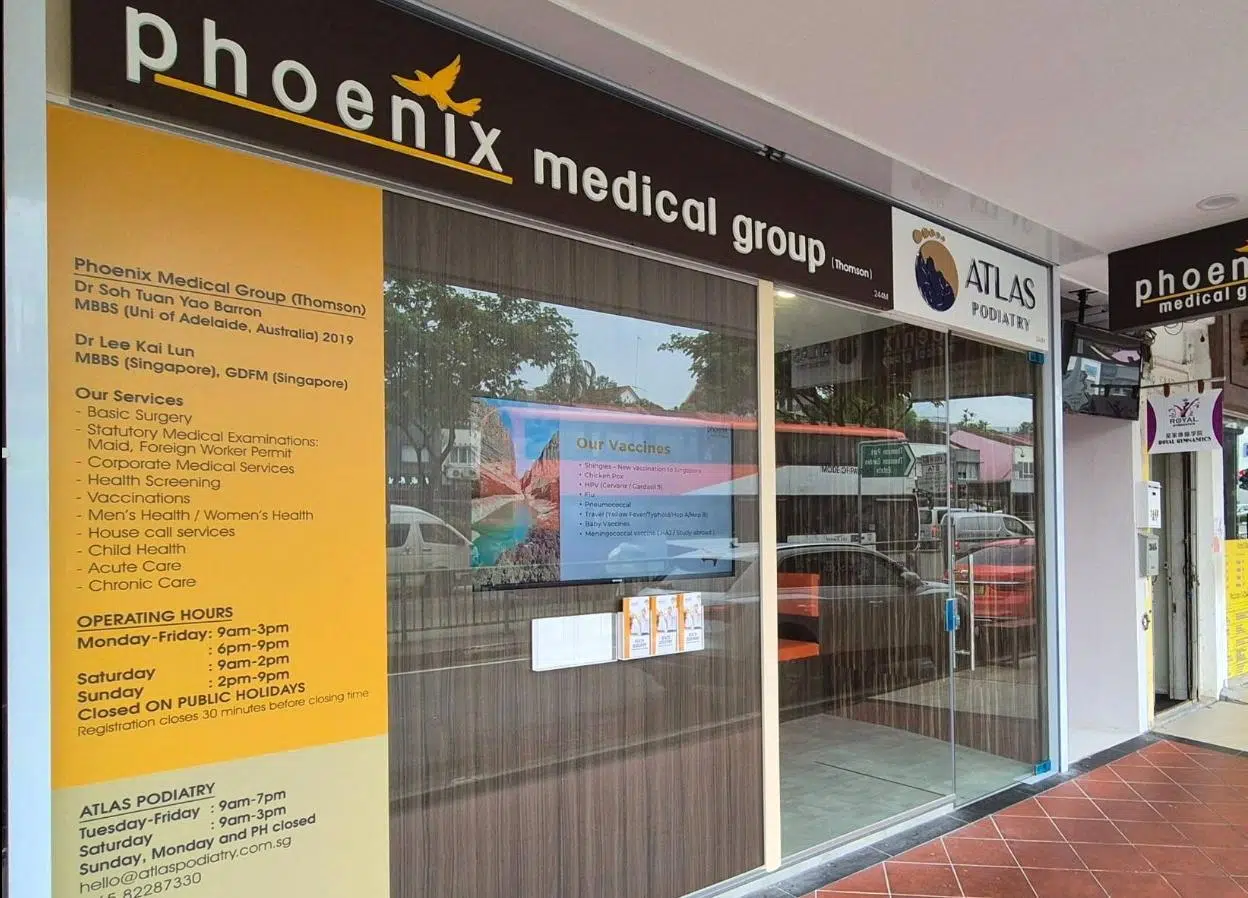
244M Upper Thomson Rd, Thomson Garden Estate, Singapore 574369
9:00 am - 2:30 pm
6:00 pm - 8:30 pm (Mon & Wed)
9:00 am - 12:30 pm

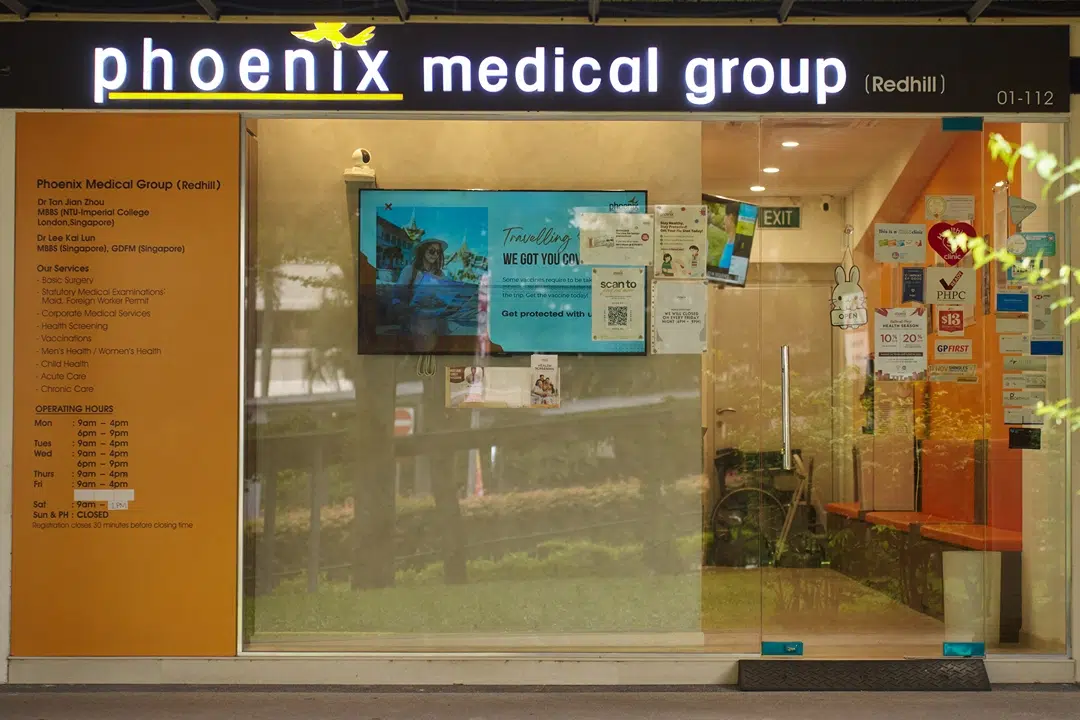
9:00 am - 4:00 pm
6:00 pm - 9:00 pm (Mon & Wed)
9:00 am - 12:30 pm
Closed

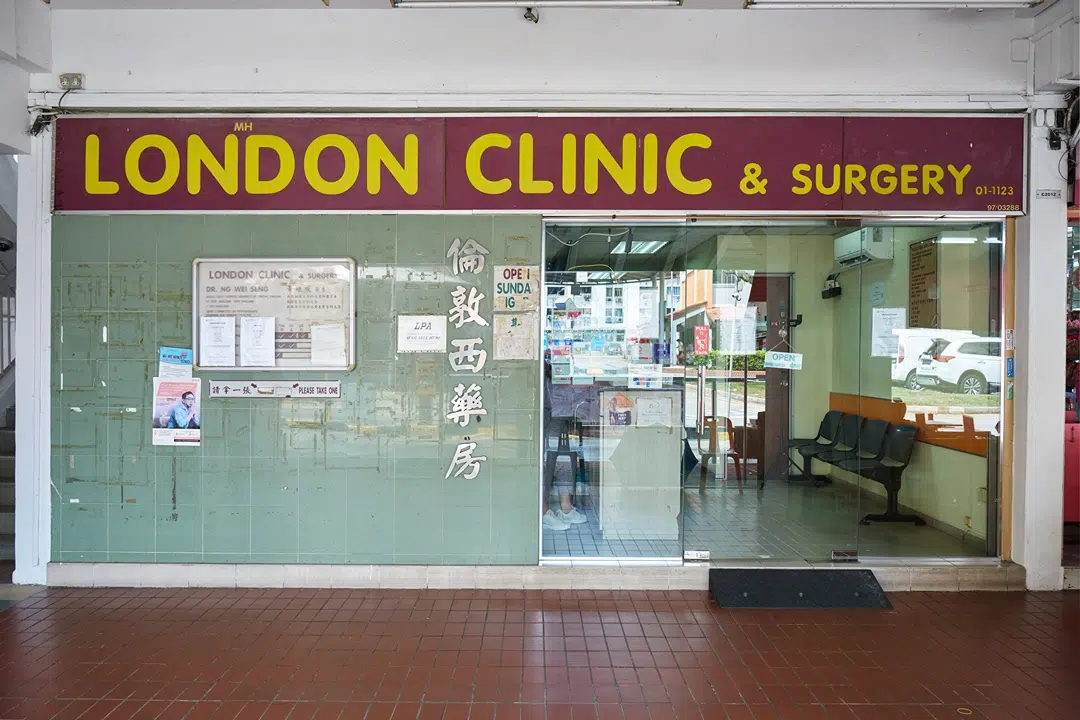
8:00am - 11:30am
1:00pm - 3:30pm
5:00 pm - 8:30 pm (Mon, Tue & Thur)
8:00am - 11:30am