ANNOUNCEMENT: Get protected with our flu and pneumococcal vaccine at any PMG clinic near you!


Health screenings are an important aspect of preventive healthcare, helping individuals detect potential issues early, manage existing conditions effectively, and maintain overall well-being. Health screenings are more than just routine check-ups—they are proactive steps toward a longer and healthier life.
In Singapore, common health issues include diabetes [1], cardiovascular diseases and various types of cancer, several of which can be managed with early intervention. This guide will help you understand the types of health screenings that are relevant to you based on your age, gender, lifestyle, and risk factors.
Regular screenings are vital for early detection and prevention. Beyond addressing physical health, these check-ups also provide peace of mind and the opportunity to make lifestyle changes and take better care of your health.
Here are some major benefits of regular health screenings:
Regular health screenings allow for early detection and management of medical conditions so you can enjoy a long and healthier life.
Health screenings, although general, are best tailored to each individual specifically depending on factors such as:
This is why it’s important to book a consultation to evaluate each individual and their risk factors before recommending an appropriate health screening.
Health screenings help adults stay ahead of health issues and challenges. Routine screenings give us valuable insights into our health and well-being, allowing us to detect and manage conditions such as high blood pressure and diabetes early. These tests offer a practical way to safeguard our health and make informed decisions.
Here are the general health screening recommendations for adults and their purposes:
General health screenings in Singapore include blood tests, BMI test, kidney function tests, and more.
Health screenings are aligned with the specific needs of different age groups. In your 20s and 30s, baseline tests like blood pressure, cholesterol, and blood sugar assessments are typically recommended along with mental health screenings. In your 40s, more comprehensive screenings such as mammograms, Pap smears and colonoscopies become crucial for detecting early signs of cancer. Women may also benefit from bone health assessments as hormonal changes begin to impact bone density.
In your 50s and beyond, screenings intensify to include heart health evaluations like stress tests and ECGs, as well as checks for dementia risk, vision, and hearing impairments. Tailoring screenings to your age ensures timely detection and intervention and contributes to more positive health outcomes.
Here are the recommended health screenings based on age groups:
| Age Group | Recommended Health Screenings |
| 30s – 40s | Cancer screenings (mammogram, Pap smear, colonoscopy), Bone health tests, Hormonal health checks, Sexually Transmitted Diseases (STD) checks |
| 40s – 50s | Cancer screenings (mammogram, Pap smear, colonoscopy), Bone health tests, Hormonal health checks |
| 50s and beyond | Frequent cancer screenings, Heart health tests (stress test, ECG), Dementia risk, Vision and hearing checks |
Health screenings often vary by gender due to differences in anatomy, hormonal influences, and disease risks. While general tests such as blood tests and cholesterol checks are the same recommendations for both genders, other tests differ. For women, screenings often include reproductive and hormonal health, including Pap smears [5] for cervical cancer, mammograms for breast cancer, and bone density tests to monitor osteoporosis risk, particularly after menopause.
For men, health screenings may also include prostate cancer screenings (PSA tests) [6] and guidance on testicular self-examinations to help detect specific cancers early. Gender-specific screenings provide a comprehensive approach to maintaining health and addressing risks effectively.
Here are some recommended health screenings based on gender:
| Gender | Recommended Health Screenings |
| Women | Cervical Cancer Screening (Regular Pap smears), Breast Cancer Screening (Mammograms starting at age 40), Bone density tests, Pregnancy-related screenings, Hormonal checks |
| Men | Prostate Cancer Screening (Men aged 50 and above), Cardiovascular Health Check, Hormonal checks |
Regular health screenings encourage proactive management and lifestyle changes that benefit the whole family.
Your lifestyle and personal risk factors also influence the type of health screenings you need. Smokers, for example, should prioritise lung cancer screenings and respiratory function tests to detect potential damage early.
If you have a family history of chronic diseases such as diabetes, heart disease, or cancer, genetic testing and enhanced cancer screenings can provide important insights. Sedentary lifestyles increase the risk of cardiovascular diseases and diabetes, making ECGs, stress tests and blood sugar screenings essential.
If you already have a specific condition, you may also require additional health screenings. Here are some health screenings based on lifestyle and risk factors that you should consider:
| Lifestyle/Risk Factors | Recommended Health Screenings |
| Smokers | Lung cancer screening, Respiratory function tests, Cardiovascular health check, General health screening |
| Family history of chronic diseases | Cancer screenings, Cardiovascular health check, Diabetes screening, Bone health assessment, General health screening, Kidney function test |
| Sedentary | Cardiovascular health check, General health screening, Musculoskeletal assessments, Mental health screening, Liver and kidney function test |
| Specific condition | Chronic Illnesses: Lipid profile test, Kidney Function tests, Blood pressure, Diabetes test, Liver function test, Thyroid profile. Heart Disease, and Stroke Risk: ECG test, EchocardiogramCholesterol levels, CT Angiogram, Lipoprotein(a)Homocysteine |
Those with sedentary lifestyles should consider health screenings and make lifestyle adjustments where necessary.
Selecting the right health screening package in Singapore depends on your individual health needs, budget and personal preferences.
Private health screening packages are available for those who prefer more comprehensive or personalised assessments. When considering a screening package, it is helpful to review the range of tests included, the relevance of those tests to your age and risk profile, and the overall value of the package.
If you are unsure which screenings are most appropriate for you, consulting a doctor can help determine the most suitable tests based on your medical history, lifestyle and risk factors. A personalised approach ensures that screenings are both relevant and effective in identifying potential health concerns early.
If your health screening results indicate abnormal findings, it is important to seek medical advice promptly. Abnormal results may suggest underlying conditions that require further evaluation.
Depending on the findings, your doctor may recommend additional tests or refer you to a specialist for a more detailed assessment and treatment. For example, abnormal cardiac test results may require evaluation by a cardiologist, while suspicious cancer screening findings may require consultation with an oncologist. Early medical attention allows conditions to be managed more effectively and helps improve long-term health outcomes.
Regular health screenings play an important role in maintaining long-term health and identifying potential issues at an early stage. Screening tests allow individuals to monitor their health, make informed lifestyle decisions and receive timely medical care when needed.
If you are unsure which health screenings are appropriate for you, speaking with a doctor can help you understand your risk factors and determine the most suitable screening plan for your age, health status and lifestyle.
For most adults, important health screenings include body mass index (BMI), cholesterol and blood pressure screening, kidney function tests, tumour markers, and more. However, it depends on the individual and their lifestyle, age, and gender.
The frequency of a health screening depends on various factors, including your age, gender, family history, and overall health status. For most adults, scheduling a comprehensive health screening every one to two years is an ideal approach to maintaining well-being. Consult with your doctor for more information.
No, they are related but different. Health screenings are specific tests based on age, gender, or risk factors, while a medical check-up is a general examination by a doctor. Screenings are an important aspect of check-ups and help doctors gain a comprehensive understanding of your health to determine treatment or lifestyle changes.




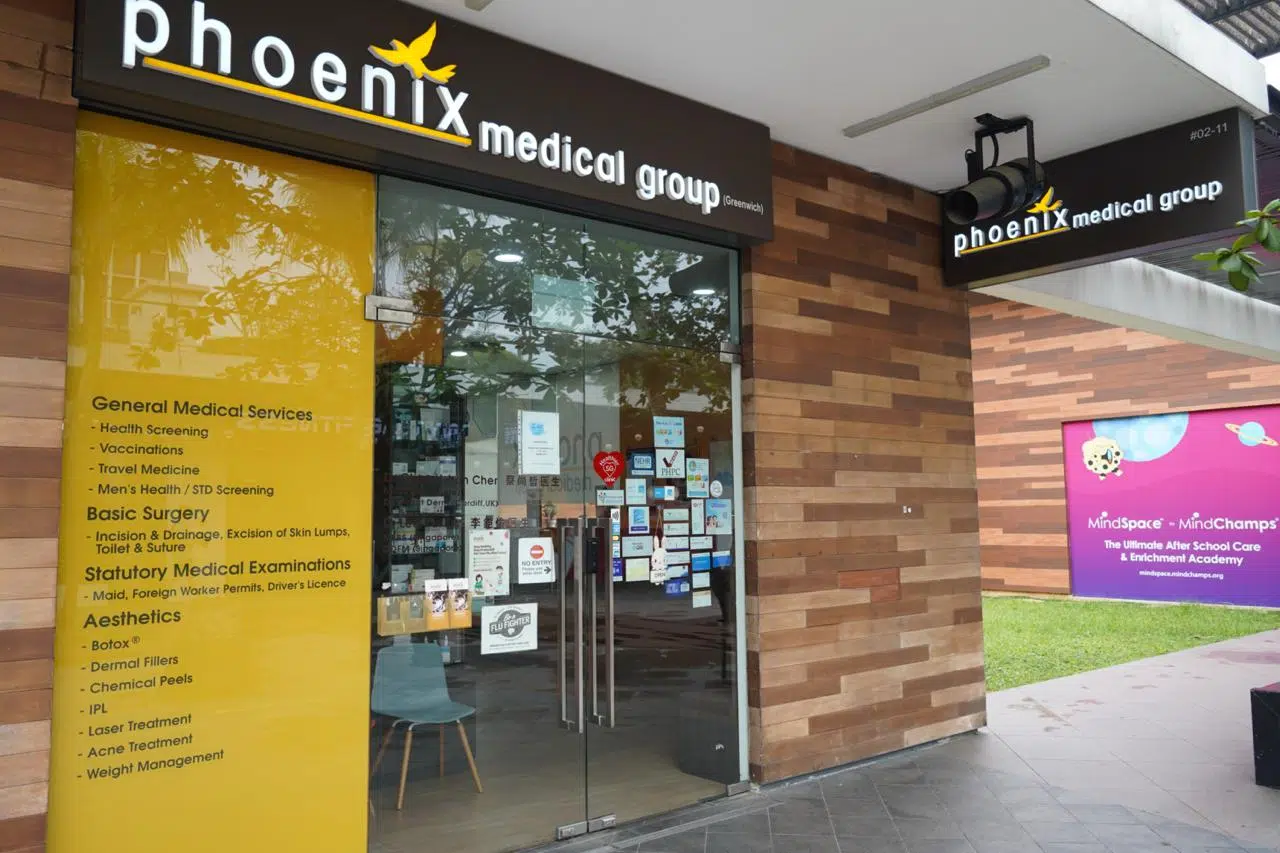
9:00am to 8:30pm


9:00 am - 4:30 pm, 6.00 pm - 8:30 pm
9:00 am - 1:30 pm
2:00 pm - 8:30 pm

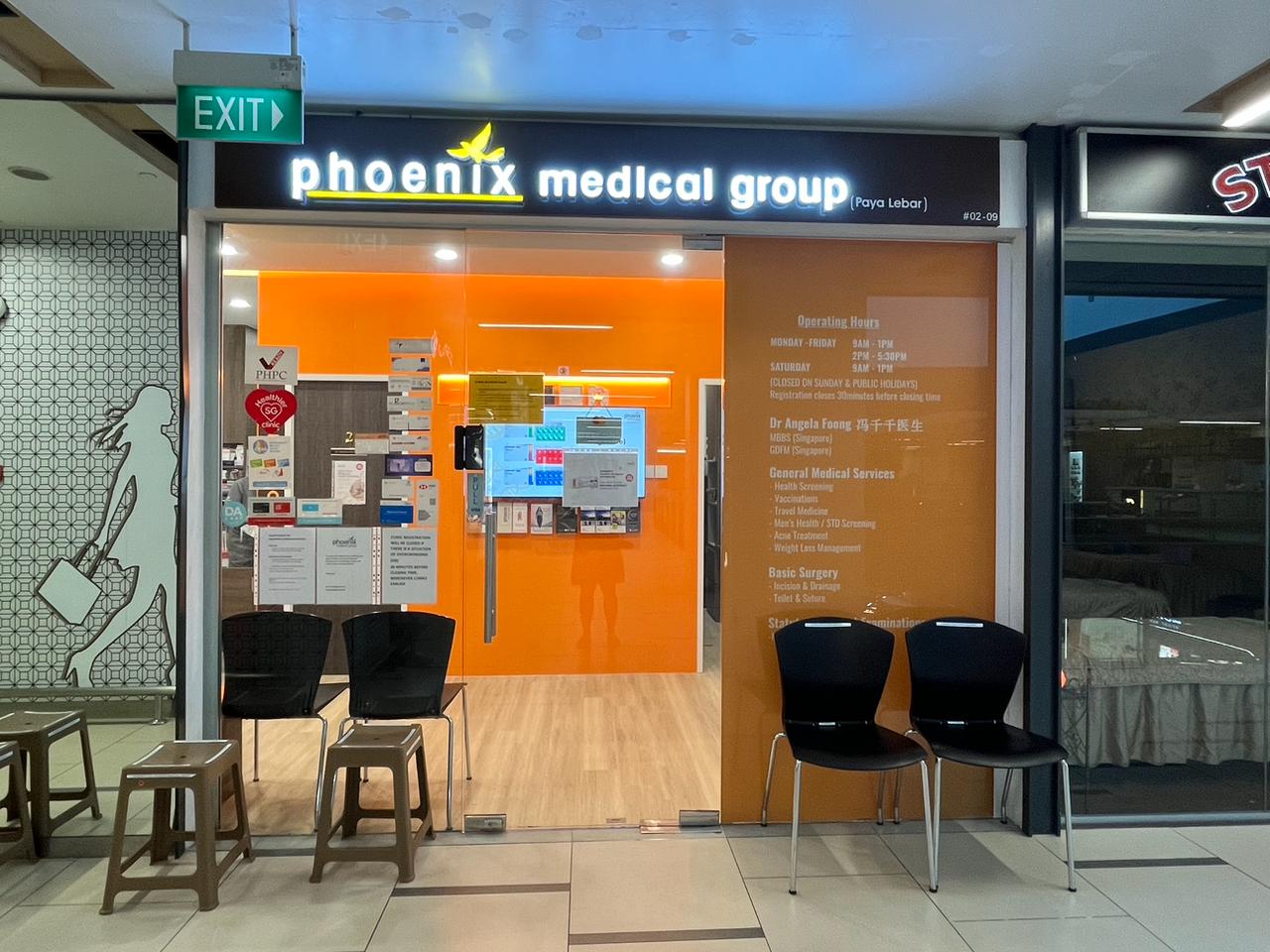
60 Paya Lebar Road, #02-09 Paya Lebar Square, Singapore 409051
9:00 am - 12:30 pm
2:00 pm - 5:00 pm
9:00 am - 12:30 pm


275 Thomson Road,
#01-05 Novena Regency,
Singapore 307645
9:00 am - 2:30 pm
6:00 pm - 8:30 pm (Mon, Tue, Wed & Fri)
9:00 am - 1:30 pm
2:00 pm - 8:30 pm
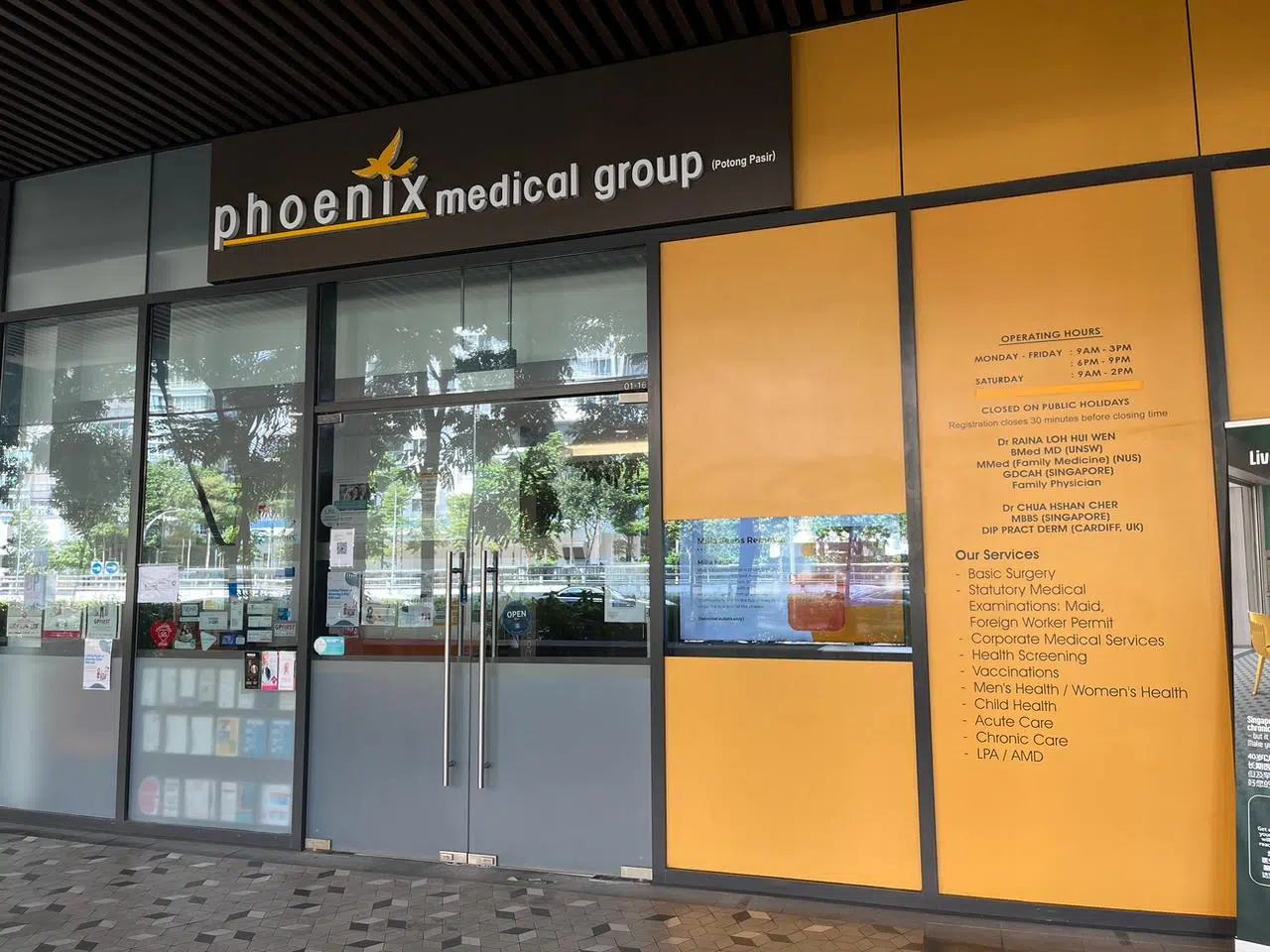
The Venue Shoppes,
2 Tai Thong Crescent, #01-16,
Singapore 347836
9:00 am - 3:00 pm
6:00 pm - 9:00 pm (Mon, Wed & Thu)
9:00 am - 2:00 pm
Closed

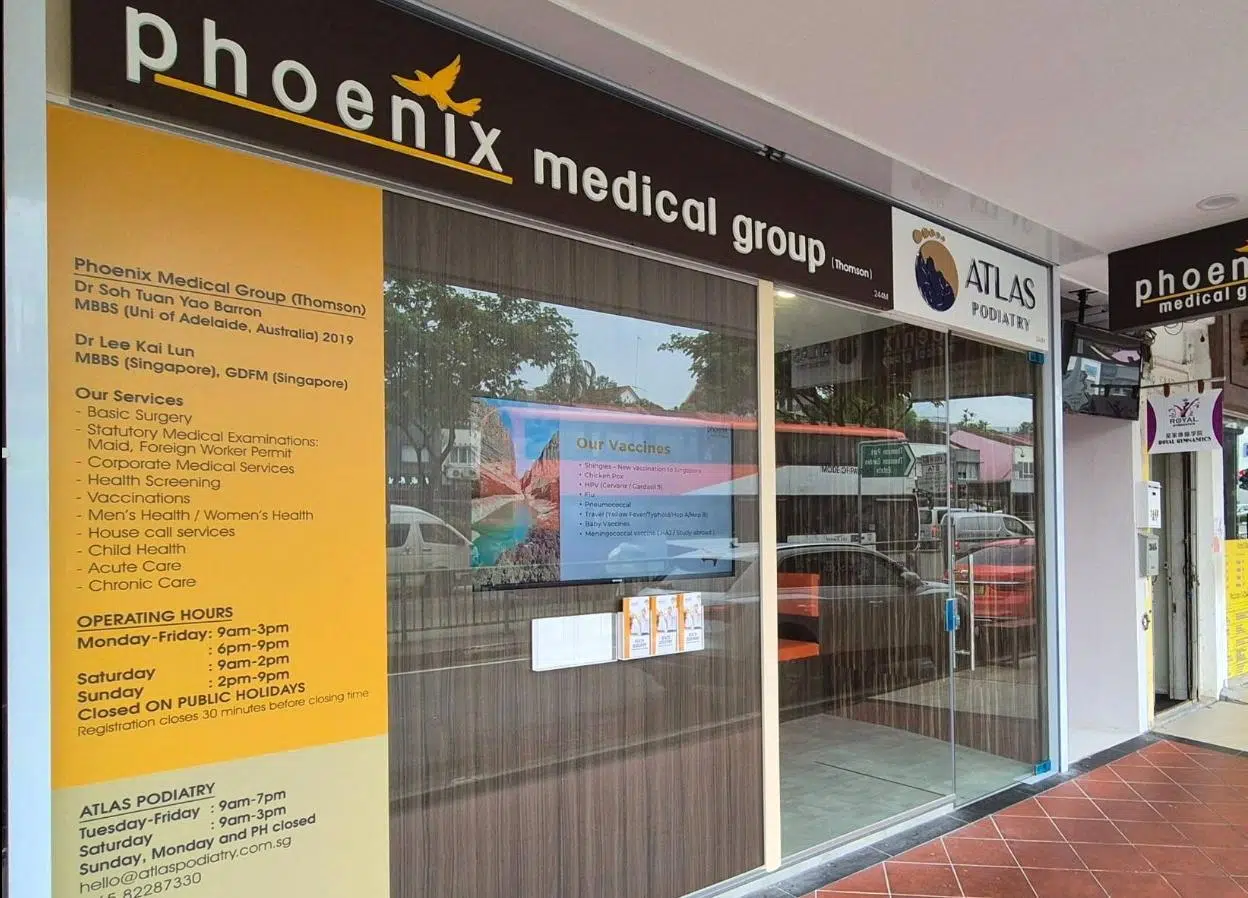
244M Upper Thomson Rd, Thomson Garden Estate, Singapore 574369
9:00 am - 3:00 pm
6:00 pm - 9:00 pm (Mon & Wed)
9:00 am - 2:00 pm

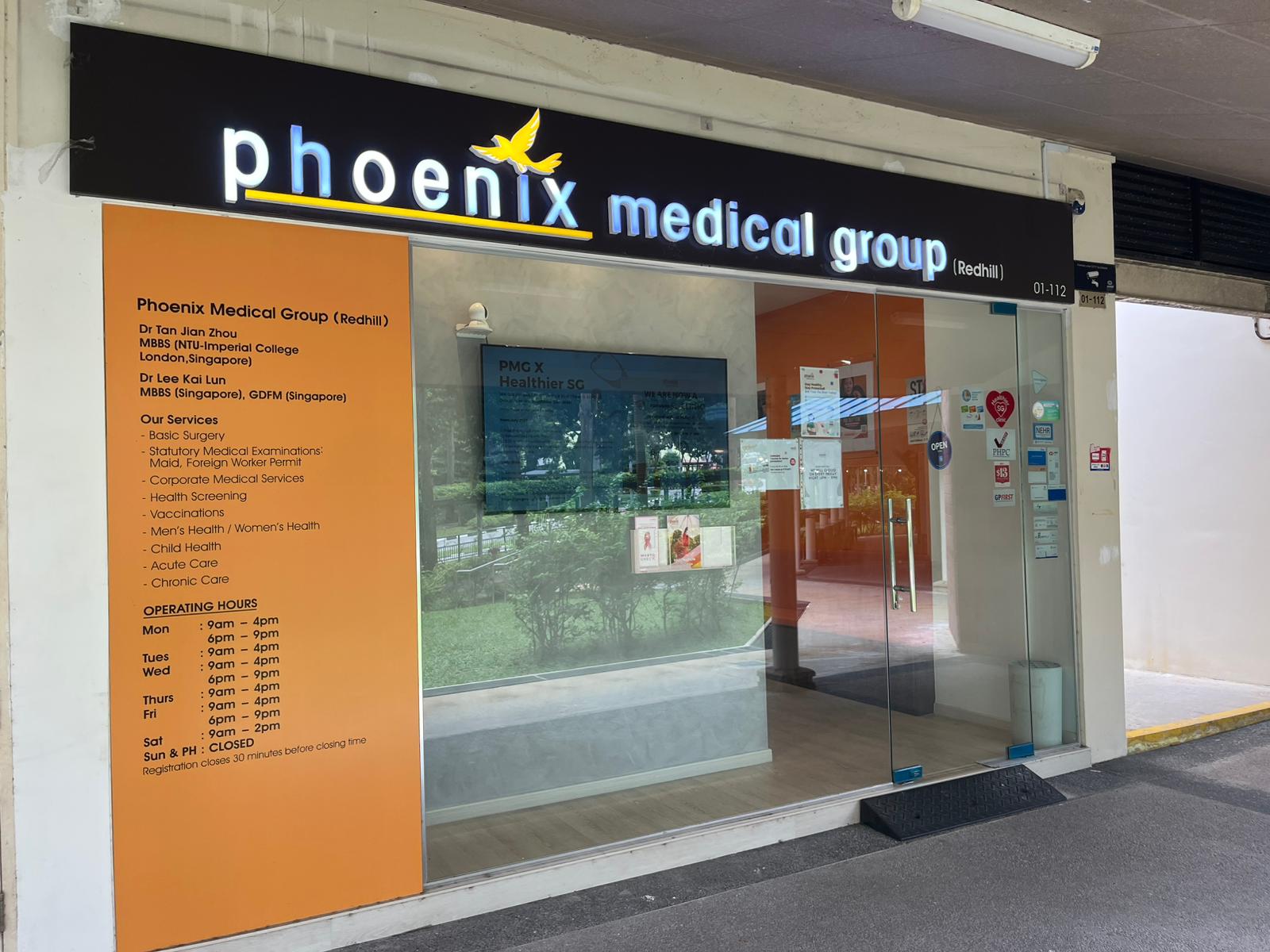
9:00 am - 4:00 pm
6:00 pm - 9:00 pm
9:00 am - 2:00 pm
Closed