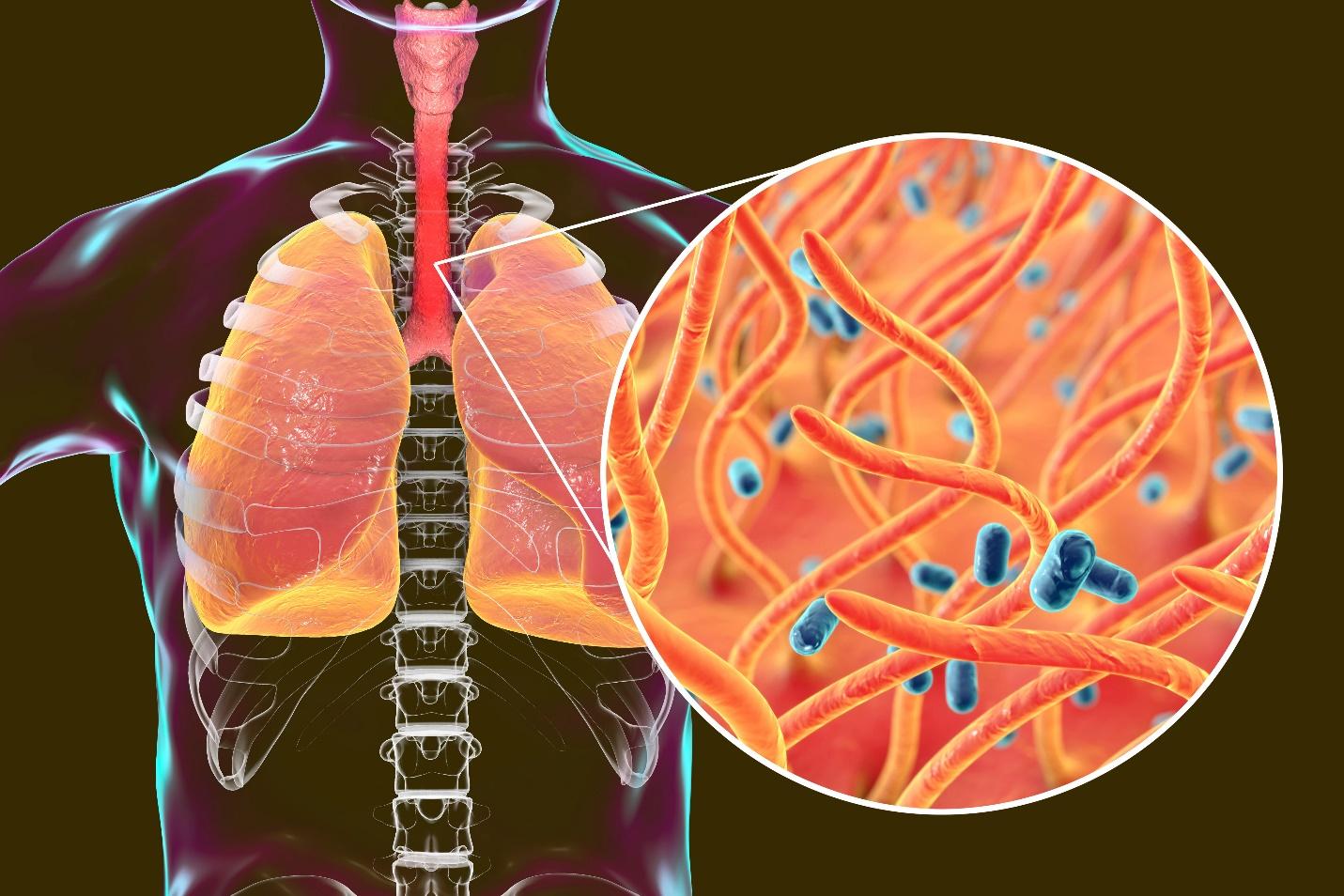
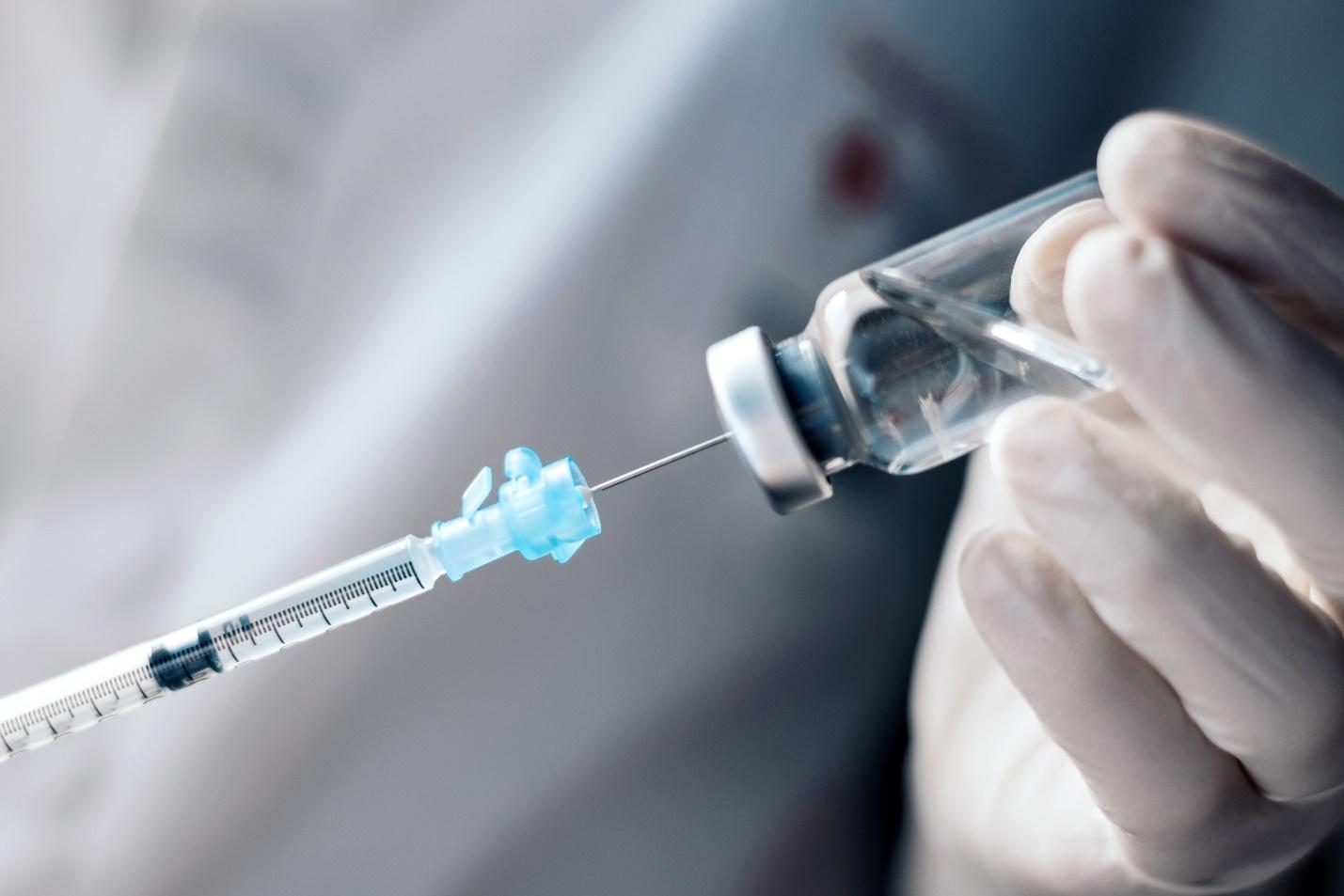
ANNOUNCEMENT: Get protected with our flu and pneumococcal vaccine at any PMG clinic near you!



Hitting your 30s can feel like a bittersweet milestone. You are wiser, more confident and likely juggling a whirlwind of responsibilities. But as life shifts gears, so does your body. This decade often marks the beginning of subtle changes in health, changes that, if caught early, can help you stay ahead of the curve for years to come. While it’s easy to get swept up in career goals, family life, or personal aspirations, taking a moment to prioritise your health can make all the difference.
Think of your 30s as the foundation-building phase for your long-term well-being. Just like you plan for the future in other aspects of life, regular health screenings are a proactive way to ensure your body is ready to support your ambitions. These screenings aren’t just about addressing current concerns; they are about prevention, early detection and giving you peace of mind.
This guide provides an overview of the key health screenings to consider in your 30s, designed to help you prioritise your well-being.

As a doctor, one of the first things I tell my patients in their 30s is that this is the decade where prevention is key. Many health conditions, like hypertension, high cholesterol and even diabetes, can develop silently during this time without any noticeable symptoms. That’s why regular health screenings are so crucial; they allow us to detect and address these issues early, often before they become serious.
When we talk about general health screenings, we are not just ticking boxes; we are creating a baseline for your health. For example, tests for blood pressure, cholesterol levels, and blood sugar help us identify risks for cardiovascular disease or diabetes. These are common conditions that, if caught early, can be managed effectively through lifestyle changes or medication.
Another thing to keep in mind is that your screening should be personalised. Family history, lifestyle factors, and even your work environment play a role in determining which tests are most relevant for you. For instance, if you have a family history of heart disease or diabetes, you should start screenings earlier or do them more frequently.
I always remind my patients that these check-ups are about creating a roadmap for better health. They give us a chance to talk about diet, exercise and stress management, which are just as important as the numbers on a lab report.
In your 30s, I often notice patients starting to ask more questions about their heart health, and rightly so. This is the decade when the effects of years of habits, whether good or bad, begin to show. It’s not uncommon to see slightly elevated blood pressure or cholesterol levels during this time, often without any symptoms. That’s why I encourage regular check-ups and simple screenings to ensure we catch any changes early. These small steps can make a big difference in keeping your heart healthy and your future bright.
Did you know high blood pressure, or hypertension, is often called the “silent killer”? ([1] It rarely shows symptoms until it has caused significant damage to your heart or other organs. Monitoring your blood pressure during routine check-ups can detect hypertension early and allow timely intervention through lifestyle changes or medications. These simple screenings can prevent complications like heart disease or stroke.

A lipid profile test is another essential screening in your 30s [2]. Elevated cholesterol, particularly LDL (bad cholesterol), can lead to plaque build-up in your arteries, which significantly increases the risk of heart attacks and strokes. If your cholesterol levels are higher than recommended, we can work together to develop a plan involving dietary changes, exercise routines, or medications to bring them under control.
Depending on your risk profile and symptoms, doctors may recommend several cardiac screening procedures to evaluate heart health more thoroughly. These tests help detect structural abnormalities, rhythm disorders or potential blockages in the blood vessels.
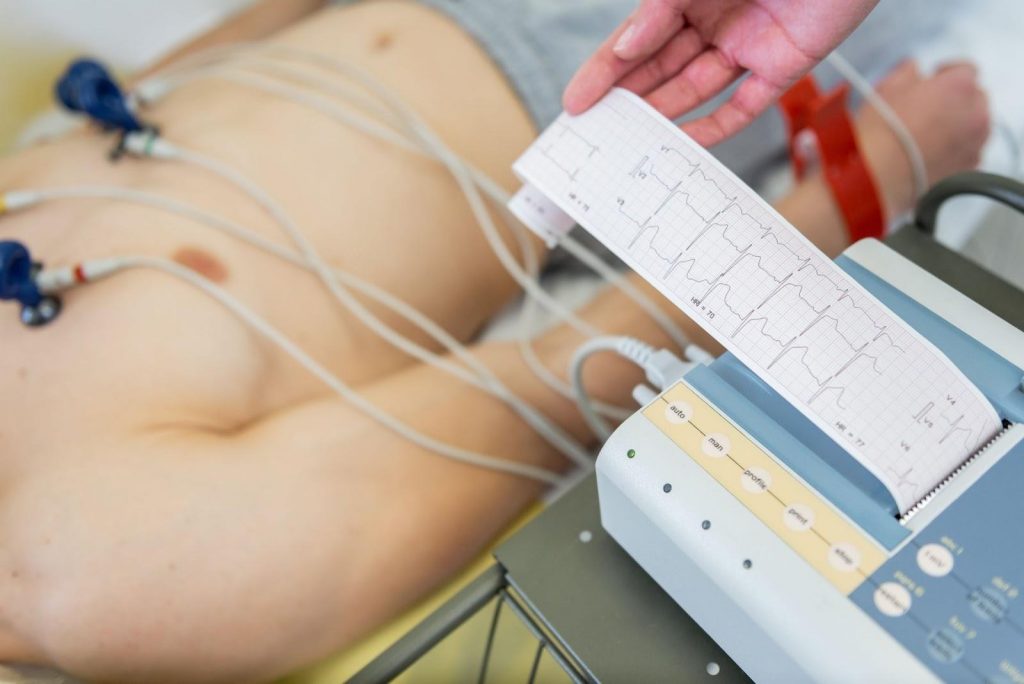
In addition to imaging tests, we recommend specific lab investigations to gain a comprehensive understanding of your cardiovascular health:
Whether you’re navigating a high-stress career, adjusting to parenthood or simply working towards a healthier lifestyle, regular cardiac screenings are invaluable. These tests are not just for those with a family history of heart disease; they are for anyone who values their well-being.
By prioritising these screenings now, you are building a solid foundation for a strong and healthy heart in the decades ahead.
When it comes to cancer, early detection is your best defence. Many of my patients in their 30s ask whether it’s too soon to start thinking about cancer screenings. My answer is always the same: it’s never too early to prioritise your health, especially if you have a family history or other risk factors. Let me explain why these screenings matter and which ones you should consider.
In your 30s, taking a proactive approach to breast health is essential, particularly if you have a family history of breast cancer or other risk factors. Routine mammograms are typically recommended starting at age 40 for women at average risk, but for those with a higher risk, earlier screenings may be necessary [5]. It’s always best to discuss your individual risk factors and screening plan with your healthcare provider.
For women in their 30s, breast ultrasounds can be a helpful option. This imaging technique uses sound waves to examine breast tissue and can detect abnormalities such as lumps or cysts.
For those looking for additional and comprehensive screening methods, the Mastocheck Early Breast Cancer Screening is a valuable tool [6]. This non-invasive blood test utilises proteomics-based early diagnostic technology to detect early-stage breast cancer. It’s particularly beneficial for women who may not yet need routine mammograms or who want an extra layer of reassurance.

Many people assume cancer screenings are limited to specific types of cancer, such as breast or colorectal cancer. However, advances in medical technology have introduced blood-based screening approaches that may help detect signals associated with multiple cancers from a single sample.
These tests analyse certain biomarkers or molecular signals in the blood that may indicate the presence of cancer at an early stage. Some cancers, such as pancreatic or ovarian cancer, often develop without noticeable symptoms in their early stages, which makes early detection particularly valuable.
Multi-cancer early detection technologies are still evolving, but they highlight how modern medicine is expanding the possibilities of preventive screening. For individuals with a strong family history of cancer or those seeking a broader assessment of their health risks, discussing available screening options with a doctor can help determine whether additional testing may be appropriate.
Cancer screening is not about waiting for symptoms to appear. It is about identifying potential risks early so that timely medical attention can be provided when needed. Screening methods such as mammography, breast ultrasound and other recommended tests remain important tools in detecting cancer early and improving treatment outcomes.
Entering your 30s is an important milestone, a decade when proactive health choices can have a lasting impact on your future well-being. The screenings discussed in this guide, including general health checks, cardiovascular assessments and cancer screenings, can help detect potential health issues early and support long-term wellness.
Health screenings are not simply routine tests; they are opportunities to identify silent health risks, make informed lifestyle decisions and take preventive action before conditions become serious. Building a habit of regular screenings in your 30s helps create a strong foundation for better health in the decades ahead.
If you are unsure which screenings are most suitable for you, consulting our doctor can help determine the appropriate tests based on your age, medical history and risk factors. Early guidance and timely screening can make a significant difference in maintaining long-term health.




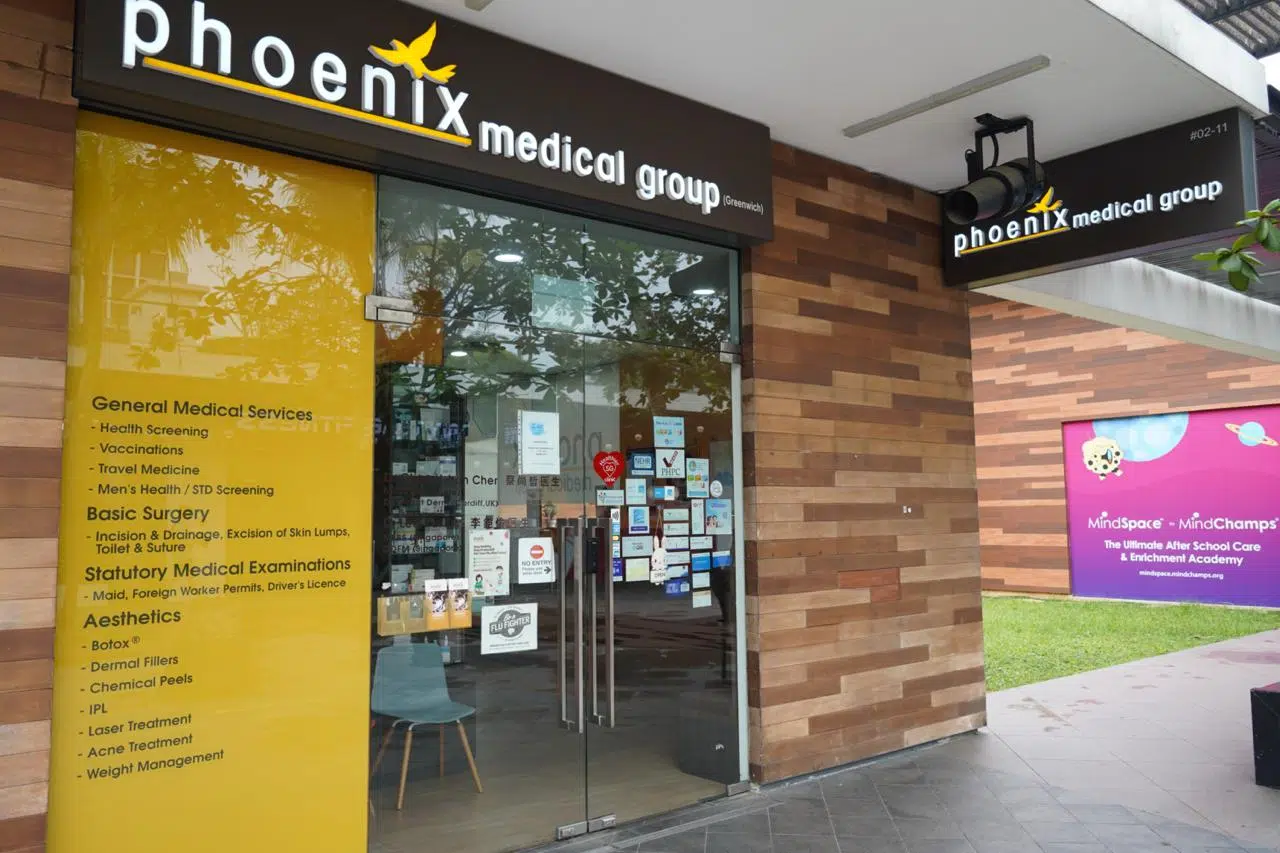
9:00am to 8:30pm


9:00 am - 4:30 pm, 6.00 pm - 8:30 pm
9:00 am - 1:30 pm
2:00 pm - 8:30 pm

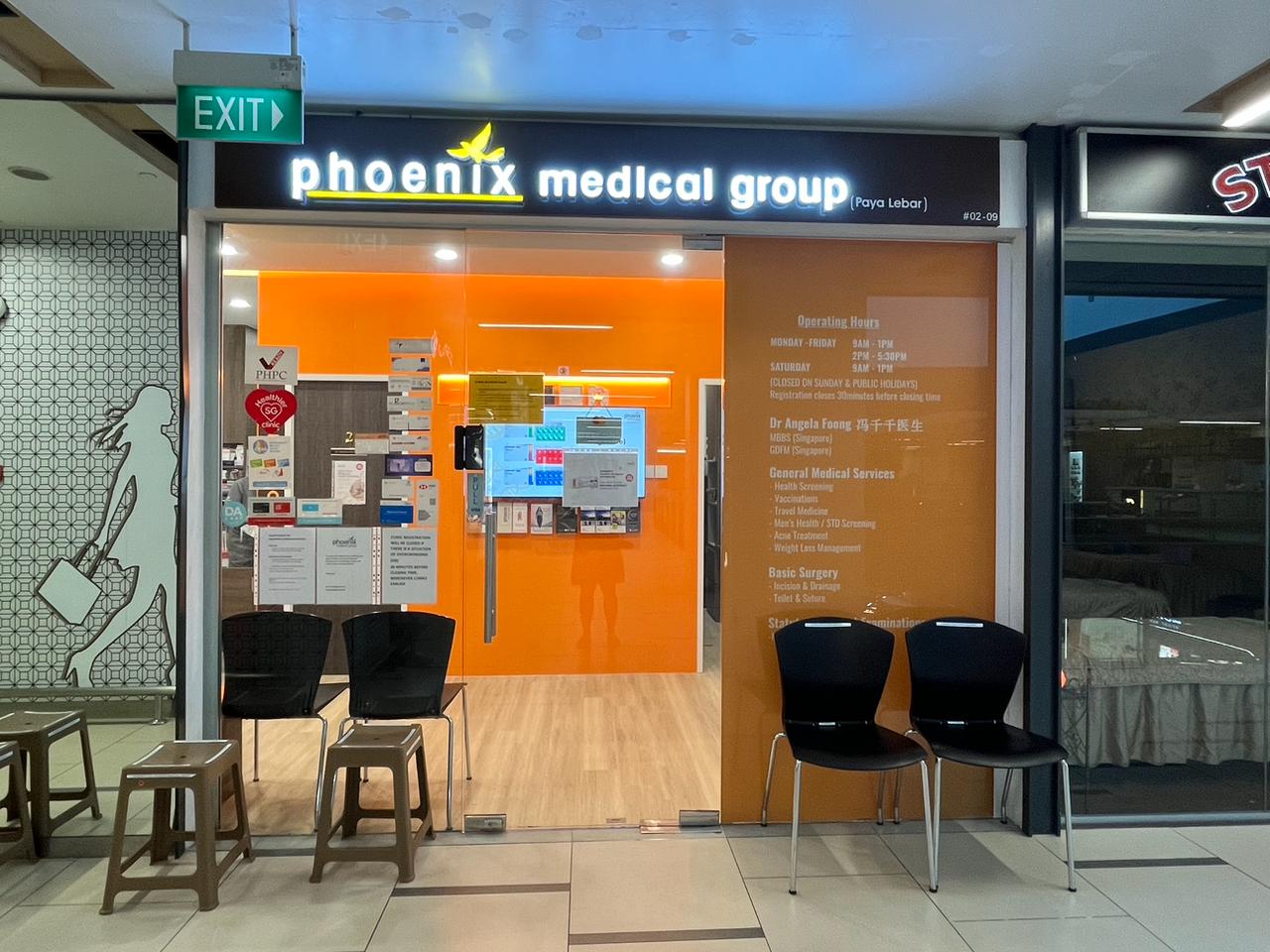
60 Paya Lebar Road, #02-09 Paya Lebar Square, Singapore 409051
9:00 am - 12:30 pm
2:00 pm - 5:00 pm
9:00 am - 12:30 pm


275 Thomson Road,
#01-05 Novena Regency,
Singapore 307645
9:00 am - 2:30 pm
6:00 pm - 8:30 pm (Mon, Tue, Wed & Fri)
9:00 am - 1:30 pm
2:00 pm - 8:30 pm
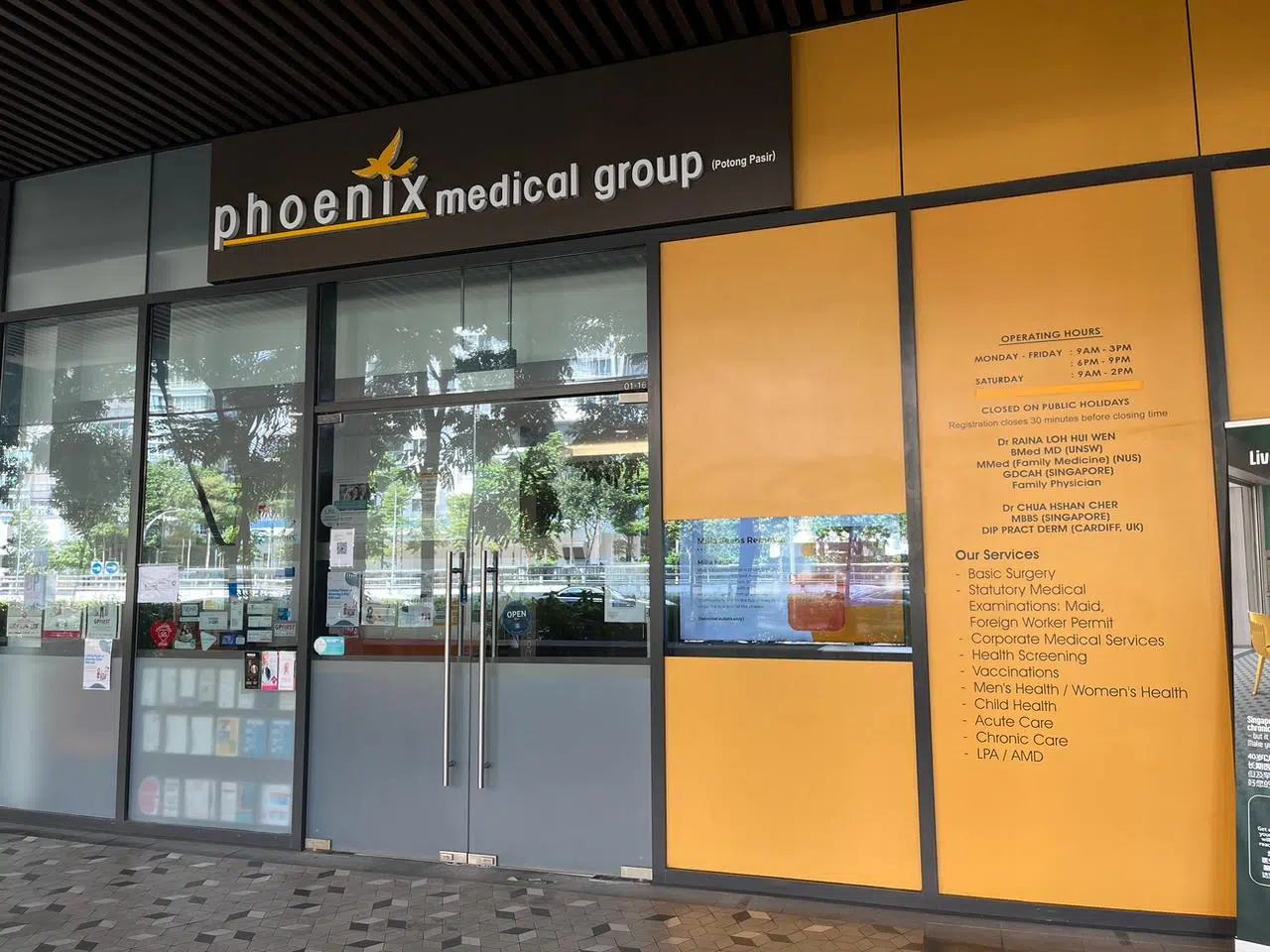
The Venue Shoppes,
2 Tai Thong Crescent, #01-16,
Singapore 347836
9:00 am - 3:00 pm
6:00 pm - 9:00 pm (Mon, Wed & Thu)
9:00 am - 2:00 pm
Closed

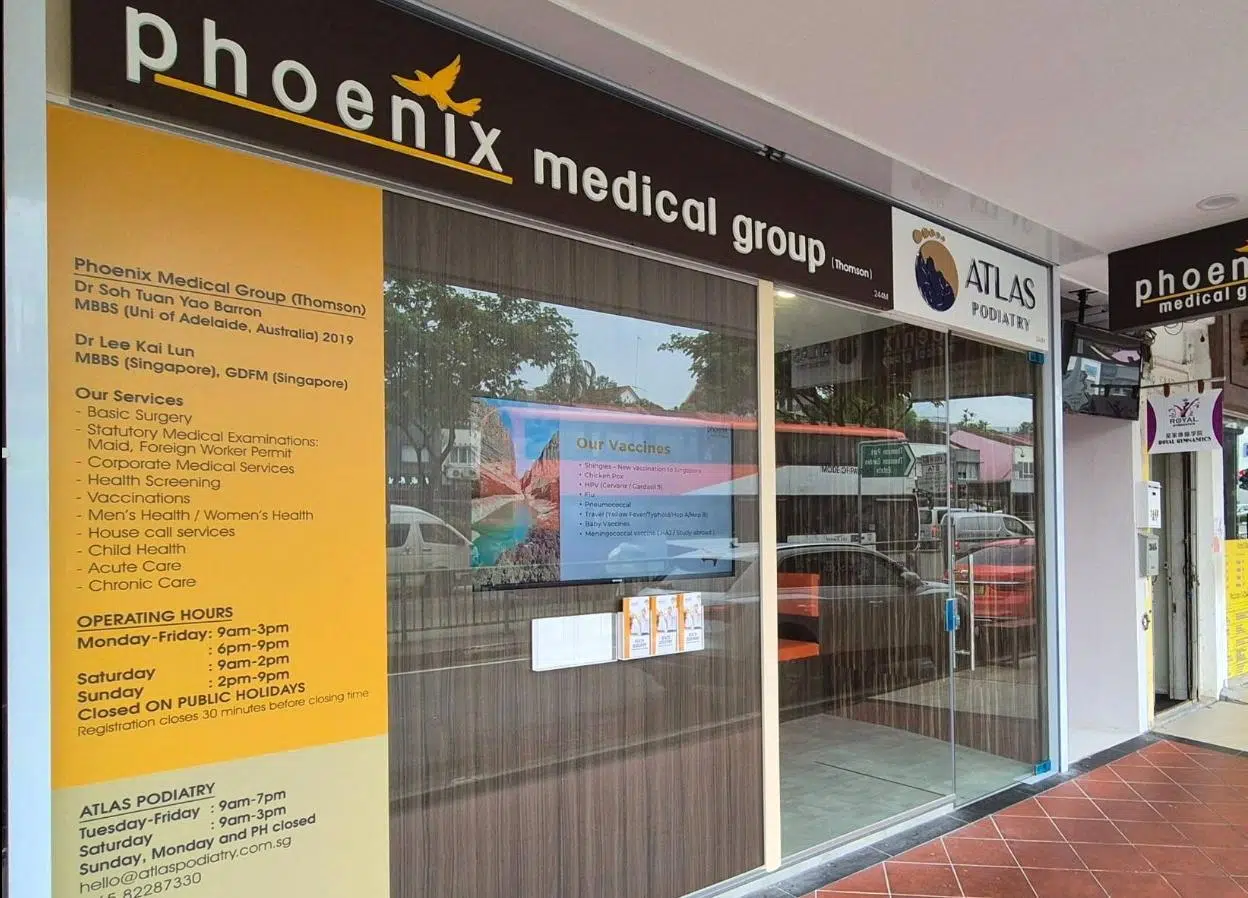
244M Upper Thomson Rd, Thomson Garden Estate, Singapore 574369
9:00 am - 3:00 pm
6:00 pm - 9:00 pm (Mon & Wed)
9:00 am - 2:00 pm

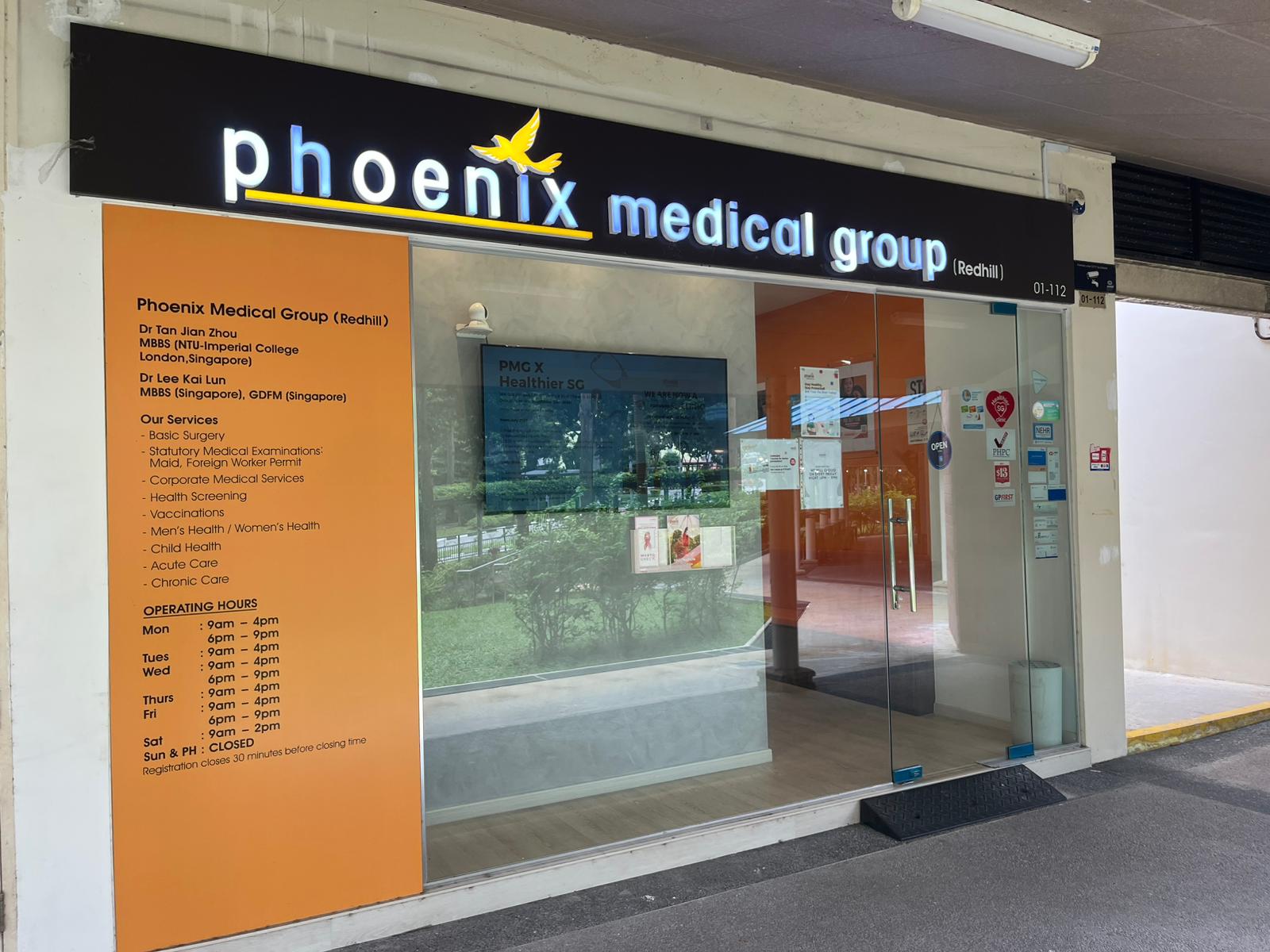
9:00 am - 4:00 pm
6:00 pm - 9:00 pm
9:00 am - 2:00 pm
Closed