Haze Subsidy Scheme Singapore 2026: Eligibility, Symptoms & GP Clinics Near You
Spending time indoors can help reduce exposure to haze pollutants when air quality in Singapore deteriorates.
Haze is a recurring concern in Singapore, often caused by smoke from regional forest fires drifting across the country. While reduced visibility and a smoky smell are among its more noticeable effects, prolonged exposure can also affect your health. You might experience irritated eyes, a persistent cough or breathing difficulties, particularly if you have an existing respiratory condition.
For those who need medical attention, the Ministry of Health (MOH) activated the Haze Subsidy Scheme on 12 October 2026 to help eligible Singaporeans manage the cost of treatment for haze-related conditions. Phoenix Medical Group is among the participating clinics where patients can access these subsidies.
Read on to find out how haze affects your health, whether you qualify for subsidised treatment and what the scheme covers.
How does haze affect your health?
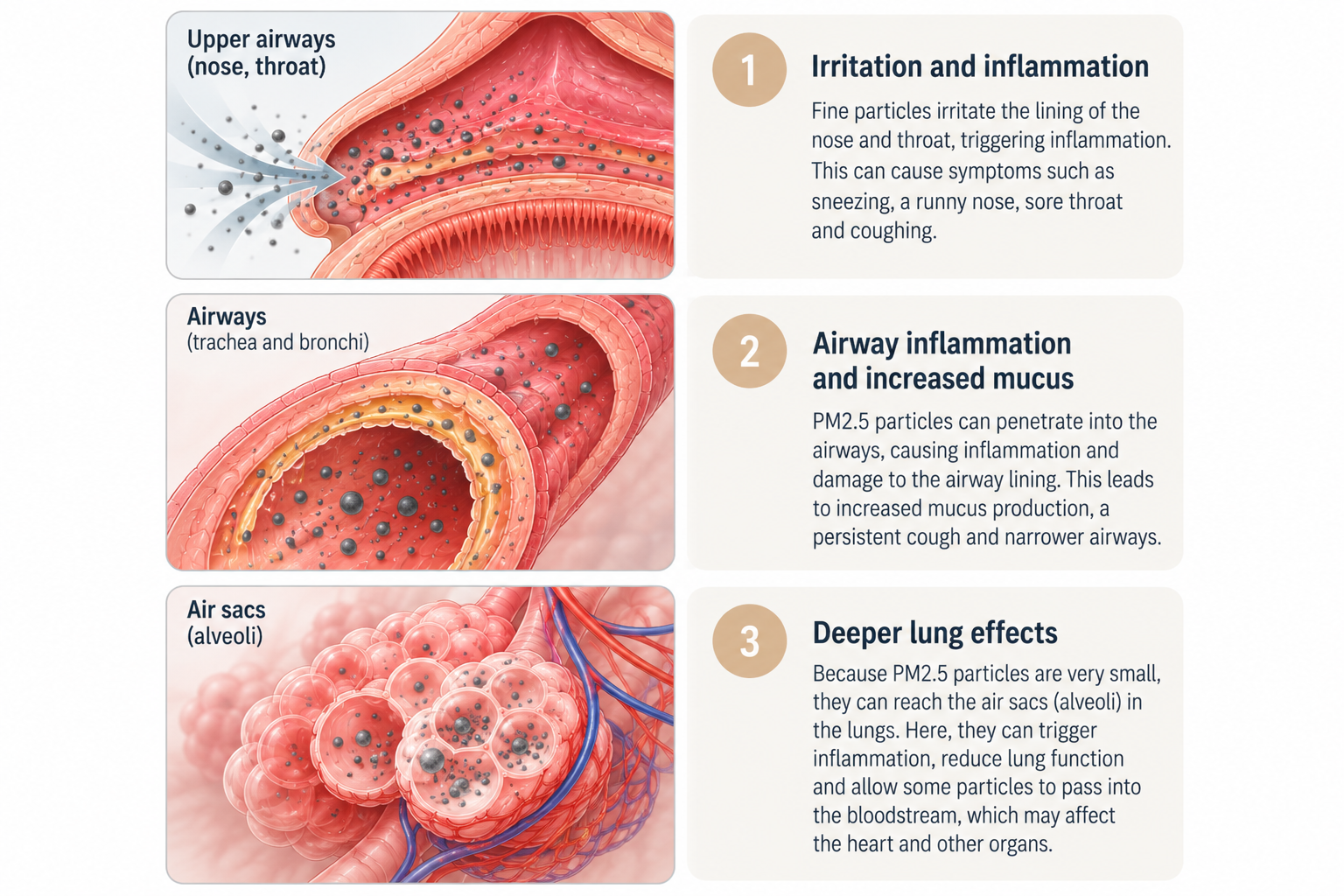
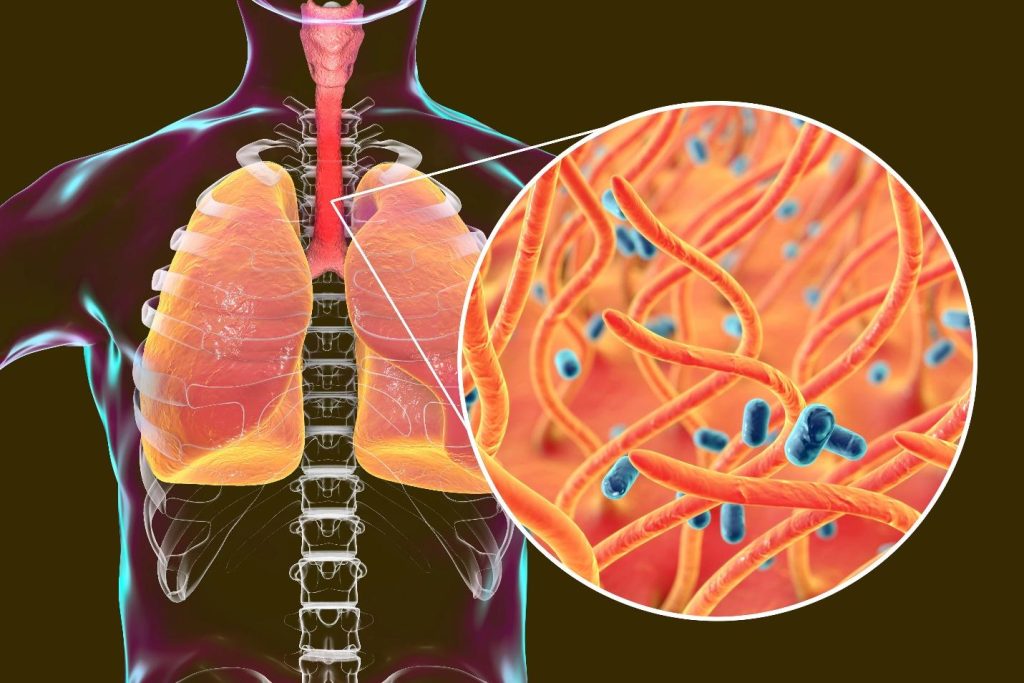
How fine particulate matter (PM2.5) from haze affects the respiratory system, causing irritation, airway inflammation and potential damage to the lungs.
Haze contains fine particulate matter (PM2.5) and other air pollutants that can irritate your eyes, nose, throat and lungs. PM2.5 particles are small enough to travel deep into the lungs, where they can trigger inflammation and worsen existing respiratory conditions.
The effects of haze depend on the severity of air pollution, how long you are exposed and your overall health. Some common symptoms include:
Eye irritation: Redness, itching, watering or a burning sensation.
Nose and throat irritation: Sneezing, a runny nose, sore throat or general discomfort.
Coughing: A persistent cough or increased mucus production as the airways become irritated.
Breathing difficulties: Shortness of breath, wheezing or chest tightness, particularly among individuals with respiratory conditions.
Worsening of existing conditions: Haze exposure can trigger asthma attacks, aggravate chronic obstructive pulmonary disease (COPD) and increase the risk of cardiovascular complications in vulnerable individuals.
Who is more vulnerable to the effects of haze?
Although haze can affect anyone, certain groups face a greater risk of developing symptoms or experiencing complications. These include young children, older adults, pregnant women and individuals with pre-existing heart or lung conditions.
For these groups, limiting outdoor activities and monitoring air quality are particularly important when pollution levels rise. Those who experience persistent symptoms or notice a worsening of their existing conditions should seek medical attention.
What is the Haze Subsidy Scheme in Singapore?
The Haze Subsidy Scheme (HSS) is a government initiative introduced by the Ministry of Health (MOH) to make medical treatment more affordable for Singaporeans affected by haze. It subsidises the cost of treatment for haze-related conditions at participating Public Health Preparedness Clinics (PHPCs), covering both the consultation and medication prescribed for qualifying conditions.
The scheme is activated during periods of significant haze, when more people may require medical attention for respiratory symptoms and other health concerns associated with poor air quality.
Under the scheme, eligible patients can receive treatment at a reduced cost, with the amount payable depending on their age, household income or eligibility for existing government healthcare assistance schemes.
Phoenix Medical Group is a participating clinic under the Haze Subsidy Scheme, allowing eligible patients to seek subsidised treatment for qualifying haze-related conditions.
Who is eligible for the Haze Subsidy Scheme?
All Singapore Citizens are eligible for the scheme at polyclinics. At participating Public Health Preparedness Clinics (PHPCs) such as Phoenix Medical Group, the following groups of Singapore Citizens are eligible:
What medical conditions are covered under the Haze Subsidy Scheme?
The Haze Subsidy Scheme covers six medical conditions and their complications, provided a doctor determines that they are related to haze exposure.
Eligible conditions include:
Medical Condition
How Haze Can Affect It
Upper respiratory tract infections (URTI)
Haze can irritate the nose and throat, worsening symptoms such as coughing, sore throat and nasal congestion.
Asthma
Air pollutants can trigger asthma symptoms, including wheezing, chest tightness and shortness of breath.
Chronic obstructive pulmonary disease (COPD)
Haze exposure can aggravate existing symptoms, leading to increased coughing, mucus production and breathing difficulties.
Allergic rhinitis
Airborne irritants can worsen nasal inflammation, causing sneezing, a runny nose and nasal congestion.
Conjunctivitis
Haze particles can irritate the eyes, resulting in redness, watering and discomfort.
Bronchitis
Haze pollutants can irritate the bronchial tubes, worsening inflammation and symptoms such as coughing, mucus production and chest discomfort.
How can you protect yourself during hazy weather?
While haze exposure cannot always be avoided, there are several ways to reduce its effects on your health. The precautions you need to take will depend on the prevailing air quality, your health and how much time you spend outdoors.
Monitor air quality — Check the National Environment Agency's (NEA) hourly PM2.5 readings and 24-hour Pollutant Standards Index (PSI) before planning outdoor activities.
Limit outdoor activities — Reduce prolonged or strenuous outdoor activities when air quality deteriorates, particularly if you belong to a vulnerable group.
Keep indoor air clean — Close windows and doors when outdoor pollution levels are high. If available, use an air purifier with a HEPA filter to reduce indoor particulate matter.
Wear an appropriate mask — A properly fitted N95 mask can help reduce exposure to fine particles when prolonged outdoor exposure is unavoidable during severe haze. However, N95 masks are generally unnecessary for brief outdoor activities, such as commuting.
Manage existing health conditions — If you have asthma or another chronic respiratory condition, continue taking your prescribed medication and keep any necessary reliever medication accessible.
When should you see a doctor for haze-related symptoms?
Mild symptoms such as throat irritation, watery eyes or occasional coughing often improve once exposure to haze is reduced. Consider consulting your doctor if you experience:
Persistent coughing — A cough that does not improve or becomes progressively worse.
Wheezing or shortness of breath — Difficulty breathing, especially if you have asthma or another respiratory condition.
Worsening of existing conditions — More frequent asthma symptoms, increased reliance on reliever medication or a noticeable change in your usual breathing.
Persistent eye irritation — Redness, discomfort or discharge that does not improve despite limiting haze exposure.
Seek emergency medical attention if you experience severe breathing difficulties, significant chest pain, confusion or fainting.
Subsidised haze-related treatment at Phoenix Medical Group
Phoenix Medical Group is a participating clinic under Singapore's Haze Subsidy Scheme, providing eligible patients with access to subsidised medical consultations for qualifying haze-related conditions.
With GP clinics across Singapore, including Seletar, Hillview, Paya Lebar, Novena, Potong Pasir, Thomson, Redhill and Kovan, patients can find a GP near them for medical assessment and treatment.
Our doctors can assess symptoms such as persistent coughing, eye irritation and breathing difficulties, as well as help patients manage existing respiratory conditions that may worsen during periods of haze.
If you are experiencing haze-related symptoms or are unsure whether you qualify for the scheme, contact us to enquire about your eligibility and arrange a consultation. Our clinic staff can advise you on the applicable subsidies and documents required for your visit.
Frequently Asked Questions
Can haze make you sick?
Yes. Haze contains fine particulate matter and other pollutants that can irritate your eyes, throat and respiratory system. Exposure can cause coughing, sore throat and breathing difficulties, especially in individuals with existing respiratory conditions such as asthma or COPD.
Who is eligible for the Haze Subsidy Scheme in Singapore?
All Singapore Citizens are eligible at polyclinics. At participating PHPCs, eligibility covers children aged 18 and below, seniors aged 65 and above, CHAS Blue and Orange cardholders, Pioneer and Merdeka Generation cardholders and Public Assistance cardholders.
Can haze cause a fever?
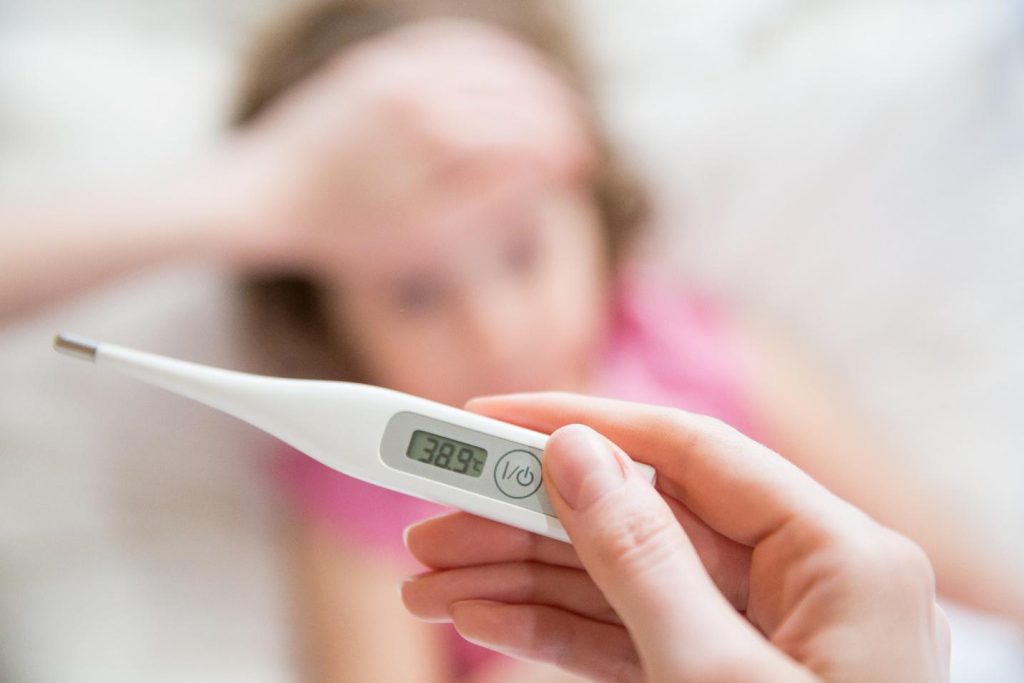
Haze exposure does not typically cause a fever. However, symptoms such as coughing and throat irritation can resemble those of a respiratory infection. If you develop a fever, particularly alongside persistent respiratory symptoms, consult a GP to determine the underlying cause.
Does the Haze Subsidy Scheme cover medication?
Yes. Medication prescried by your doctor for a qualifying haze-related condition is included in the subsidised rate. Medication and treatment for conditions unrelated to haze are charged separately, and masks are not covered under the scheme.
Can haze cause headaches and dizziness?
Some individuals experience headaches or dizziness during periods of poor air quality. However, these symptoms are not specific to haze and can also result from dehydration, migraines or other medical conditions.
Can I receive haze subsidies without a CHAS card?
Yes. You do not necessarily need a CHAS card to qualify. Singapore Citizens aged 18 and below or 65 and above, along with certain other eligible groups, can receive subsidised treatment at participating clinics.
How long do haze-related symptoms last?
Mild symptoms, such as eye irritation or a sore throat, often improve once exposure to haze is reduced. However, symptoms can last longer in individuals with existing respiratory conditions or those exposed to polluted air for extended periods.
Is it safe to exercise outdoors during haze?
Whether outdoor exercise is advisable depends on the prevailing air quality and your health. Strenuous physical activity increases your breathing rate, which can increase the amount of pollutants inhaled. Check NEA's air quality advisories and consider exercising indoors when pollution levels are elevated.
How can I check if I qualify for subsidised haze treatment at Phoenix Medical Group?
You can contact Phoenix Medical Group before your visit to confirm your eligibility, check the applicable subsidies and find out which documents to bring.
Where can I find a GP near me for haze-related medical care?
You can visit a participating Public Health Preparedness Clinic (PHPC) for medical assessment and treatment of haze-related conditions. Phoenix Medical Group has eight clinic locations across Singapore, including Seletar, Hillview, Paya Lebar, Novena, Potong Pasir, Thomson, Redhill and Kovan.
Our GPs can assess and treat haze-related symptoms such as coughing, eye irritation and breathing difficulties. Eligible patients can also receive subsidised treatment under the Haze Subsidy Scheme at participating clinics.
Understanding Common STDs: Symptoms, Diagnosis & Treatment
Sexually transmitted diseases are common health concerns that can have long-term consequences if treatments are delayed.
Sexual health is a vital part of overall well-being, yet for many, the topic of sexually transmitted diseases (STDs) remains surrounded by stigma, silence and misinformation. This often leads to delays in seeking medical help, increasing the risk of complications and further transmission.
In Singapore, the issue is more common than many realise. In 2024, there were 151 new HIV cases [1] — the lowest annual total since 1998 — yet over half were diagnosed at a late stage, pointing to a worrying trend of delayed detection. Among notifiable sexually transmitted infections [2] (STIs), chlamydia remains the most commonly reported [3], followed by syphilis and gonorrhoea.
These numbers serve as a reminder: STDs are more widespread and often overlooked than we think. The first step to protecting your health is being informed. In this blog, we break down the facts about common STDs: how they spread, the symptoms to look out for, when to get tested, and the treatment options available.
What Are Sexually Transmitted Diseases (STDs)?
STDs, also referred to as STIs, are infections that primarily spread through sexual contact. This includes vaginal, anal or oral sex. In some cases, it can be spread through skin-to-skin contact.
While “STD,” and “STI” are often used interchangeably, the term STI is more accurate in many cases. This is because not all infections cause disease or symptoms. In fact, someone may have an infection and pass it on without even knowing.
How Do Sexually Transmitted Diseases Spread?
Bacteria, viruses or parasites are the known causes of STDs. As such, they are most transmitted through:
Unprotected vaginal, anal or oral sex
Genital-to-genital contact
Sharing needles or syringes
During childbirth (mother to baby)
In rare cases, through blood transfusions or organ transplants
It is important to remember that STDs cannot spread through casual contact such as hugging, sharing food or using the same toilet.
What Are the Common Sexually Transmitted Diseases?
Although STDs are common in Singapore, social stigma combined with a lack of awareness often results in many cases going undetected. This is especially common in the early stages, where the disease may not cause noticeable symptoms.
Knowing the common types, how they are caused and what to look out for can help you seek timely testing and treatment. Some of the common STDs are:
STD
CAUSE
WHAT IT IS
KEY CHARACTERISTICS / APPEARANCE
Chlamydia
Bacteria (Chlamydia trachomatis)
A common bacterial infection affecting the genitals, rectum or throat.
Often silent. It may cause abnormal discharge, pain during urination or pelvic pain.
Gonorrhoea
Bacteria (Neisseria gonorrhoeae)
A bacterial infection that can affect the genitals, rectum and throat.
Yellow or green discharge, painful urination or sore throat (if oral).
Syphilis
Bacteria (Treponema pallidum)
A bacterial infection that progresses in stages, from sores to serious organ damage if untreated.
Painless sore, followed by rashes, fever and in late stages, neurological or heart issues.
Genital Herpes
Virus (Herpes Simplex Virus – HSV-1 or HSV-2)
A viral infection that causes recurrent sores on the genital or oral area.
Painful blisters or ulcers on or around the genitals, anus or mouth. It may recur after treatment.
Human Papillomavirus (HPV)
Virus
A group of viruses, some of which cause genital warts or lead to cervical and other cancers.
Genital warts (small bumps, often clustered). However, most strains are asymptomatic.
HIV
Virus (Human Immunodeficiency Virus)
A virus that weakens the immune system and can lead to AIDS if untreated.
Flu-like symptoms early on. However, later stages involve fatigue, weight loss and recurrent infections.
Hepatitis B
Virus
A viral infection affecting the liver, which can be transmitted sexually or through blood.
May be silent. Some experience fatigue, jaundice or liver inflammation.
Trichomoniasis
Parasite (Trichomonas vaginalis)
A parasitic infection commonly affects the genital tract.
Foul-smelling vaginal discharge, itching and irritation. But it is often asymptomatic in men.
What Are the Signs and Symptoms of STDs?
Many STDs are asymptomatic, especially in the early stages. This is why regular screening is important if you are sexually active. When symptoms appear, they may include:
What Happens if Sexually Transmitted Diseases Are Left Untreated?
Whether symptoms are mild or asymptomatic, it is crucial not to ignore the possibility of an STD. Many infections can silently progress and cause serious long-term health consequences.
This includes:
Chronic pain –pelvic pain [4], testicular discomfort and pain during intercourse are possible long-term effects of untreated infections. These symptoms can persist even after the infection is cleared. It may also affect daily functioning and quality of life.
Infertility – infections like chlamydia and gonorrhoea can spread to the reproductive organs, causing pelvic inflammatory disease (PID) in women and epididymitis in men. These conditions can result in permanent damage [5], making it difficult or impossible to conceive naturally.
Pregnancy complications –STDs during pregnancy [6] can lead to miscarriage, preterm birth or low birth weight. Some infections, like syphilis or herpes, can also be passed from mother to baby during childbirth. This may potentially cause serious neonatal infections or congenital abnormalities.
Organ damage and systemic illness – some infections can progress to affect the heart, liver, brain and nervous system. This is especially risky with syphilis [7], hepatitis B/C [8] and HIV [9].
The good news is that many STDs can be easily treated if caught early. That is why seeking timely medical attention is crucial, as it can improve the outcomes of the treatment while safeguarding your sexual health.
How Are Sexually Transmitted Diseases Diagnosed?
Diagnosing STDs involves a combination of diagnostic methods that are tailored based on your symptoms and the potential type of disease.
Doctors will initially begin the diagnostic process with a medical evaluation. During this stage, doctors may ask questions such as:
The symptoms you are experiencing
How long have you experienced these symptoms
Risk factors, such as lifestyle
Your medical history
Your sexual history, which includes how many partners you have had
These answers will then help doctors determine the combination of methods tailored to the type of infection. It may include:
Blood tests – detect antibodies, antigens or DNA/RNA for infections like HIV, syphilis, herpes and hepatitis B/C.
Urine tests – use Nucleic Acid Amplification Tests (NAATs) to identify bacterial DNA for chlamydia or gonorrhoea.
Swab tests – PCR-based swabs for genital areas, throat, rectum or sores. It is often used for chlamydia, gonorrhoea, herpes or HIV.
When should you get tested for STDs?
Early detection saves lives, prevents complications and most importantly, stops transmission. As such, here is when you should consider getting tested for an STD:
After a possible exposure – if you have had unprotected sex, engaged with a new or casual partner or suspect your partner may be infected, then it's recommended to get yourself tested. Testing should follow the recommended windows as below:
Retesting for chlamydia 1 to 3 weeks after the initial test (even if the first result came back negative).
Retesting for syphilis 3 to 6 weeks after the initial test (even with a negative result from the first test).
If you have symptoms – even if you are experiencing mild symptoms like burning sensation while urinating, unusual discharge, sores or rashes, this warrants immediate testing.
For routine checks – Singapore’s National HIV Testing Recommendations advise that every adult (age 21 years and older) should get tested for HIV at least once in their lifetime. Meanwhile, higher risk individuals are encouraged to get tested every 3 to 6 months.
When a partner tests positive – if your partner is diagnosed with an STD, do get tested immediately. Even in the absence of symptoms, STDs can still spread easily and silently.
How Are Sexually Transmitted Diseases Treated?
While most STDs are curable, some will require lifelong monitoring, such as herpes and HPV. This acts as a precautionary measure to catch HPV-related cancers early on.
Being diagnosed with an STD can feel overwhelming. However, you are not alone and help is available.
Most STDs are treatable and many can be completely cured with the right medical care. For those that are not curable, effective treatments can help you live well, manage symptoms and prevent transmission to others. Starting treatment early not only protects your health, but also your future relationships and well-being.
Depending on the cause, STDs are treated through:
Bacterial STDs (curable)
Chlamydia – typically treated with doxycycline for 7 days. Pregnant ladies who are diagnosed with this disease are treated with azithromycin.
Gonorrhoea – often treated with antibiotics such as ceftriaxone, combined with azithromycin.
Syphilis – penicillin is the standard treatment, with alternatives available for those allergic.
Viral STDs (manageable, but not curable)
Genital herpes – antivirals like acyclovir reduce outbreaks and transmission risk.
HIV – requires lifelong antiretroviral therapy (ART). Over 90% of Singaporean residents on ART achieve an undetectable viral load, virtually eliminating transmission risk.
HPV – no cure, but vaccination helps. Additionally, HPV-linked cancers are monitored and managed.
Hepatitis B/C – chronic cases are monitored and treated to manage symptoms and improve quality of life.
Why is Follow-Up Care Important?
Treatment is only one part of the journey towards better sexual health. Proper follow-up care plays a crucial role in ensuring that infections are fully cleared, chronic conditions are well managed and partners are protected from reinfection.
Whether your diagnosis was bacterial or viral, taking the right steps after treatment can safeguard your long-term health and support the well-being of those around you.
A comprehensive follow-up care involves:
STEPS
WHAT IT ENTAILS
Retesting to Confirm a Cure (for Bacterial STDs)
Even if symptoms have resolved, it is important to retest after treatment. It is typically done 2 to 4 weeks later, depending on the type of infection and your doctor's advice. This is especially important for:ChlamydiaGonorrhoeaSyphilis Retesting ensures the infection has fully cleared and helps detect possible reinfection, which is not uncommon. For example, some studies show up to 20% of people treated for chlamydia may get reinfected within a few months, often unknowingly.
Ongoing Monitoring (for Chronic Viral STDs)
For viral infections such as HIV, herpes, HPV and hepatitis B/C, follow-up care is ongoing and vital. These infections may not be curable, but they can be effectively managed with regular medical support. Monitoring typically includes: HIV – regular blood tests to check viral load and CD4 counts. Adhering to ART can reduce viral load to undetectable levels, which means zero risk of transmission to others through sex. Hepatitis B/C – periodic liver function tests and ultrasounds may be needed to check for signs of liver damage, cirrhosis or cancer. Herpes and HPV – monitoring focuses on symptom control and regular screening to catch potential complications early.
Partner Notification and Support
If you have been diagnosed with an STD, it is crucial to let your sexual partner(s) know, even if you are no longer in contact. This may feel uncomfortable, but open communication helps stop the cycle of reinfection and protects others from unknowingly spreading an infection. You do not have to do it alone. In Singapore, many clinics and local non-governmental organisations (NGOs) offer:Anonymous partner notification servicesCounselling and educational resourcesSupport groups or helplines
Final Thoughts
STDs are more common than many people think. What is even more unfortunate is that it often goes unnoticed until complications arise. But the truth is: most STDs are treatable and many are completely curable, especially when caught early. Even chronic infections like HIV or herpes can be managed effectively with modern treatment, allowing individuals to lead healthy, fulfilling lives.
Unfortunately, many delay seeking help due to fear, shame or misconceptions. However, it’s important to remember that there is no shame in getting tested. In fact, prioritising your health is an act of self-respect and it protects those around you too. Like any other medical issue, STDs deserve to be handled with dignity, compassion and science-based care.
If you are experiencing potential symptoms of an STD, schedule a consultation with Phoenix Medical Group today for a detailed diagnosis and treatment plan.
Jennings LK, Krywko DM. Pelvic Inflammatory Disease. [Updated 2023 Mar 13]. In: StatPearls [Internet]. Treasure Island (FL): StatPearls Publishing; 2025 Jan-. Available from: https://www.ncbi.nlm.nih.gov/books/NBK499959/
Tsevat, D. G., Wiesenfeld, H. C., Parks, C., & Peipert, J. F. (2017). Sexually transmitted diseases and infertility. American journal of obstetrics and gynecology, 216(1), 1–9. https://doi.org/10.1016/j.ajog.2016.08.008
Kumar, M., Saadaoui, M., & Al Khodor, S. (2022). Infections and Pregnancy: Effects on Maternal and Child Health. Frontiers in cellular and infection microbiology, 12, 873253. https://doi.org/10.3389/fcimb.2022.873253
Tudor ME, Al Aboud AM, Leslie SW, et al. Syphilis. [Updated 2024 Aug 17]. In: StatPearls [Internet]. Treasure Island (FL): StatPearls Publishing; 2025 Jan-. Available from: https://www.ncbi.nlm.nih.gov/books/NBK534780/
Should My Teen Get the HPV Vaccine? A Doctor’s Guide
The HPV vaccine helps protect teens from future HPV-related cancers and diseases, giving both children and families peace of mind and long-term health protection.
As a parent, you want to give your child the best possible start in life, and that includes protecting their long-term health. One important step is the human papillomavirus (HPV) vaccine, which protects against the virus. HPV is extremely common and is linked to several cancers and conditions that can affect both men and women.
The good news is that HPV-related diseases are largely preventable with vaccination. For many parents in Singapore, the question is not just whether the vaccine is necessary, but also when their teen should receive it, how safe it is, and what to expect.
This guide will walk you through everything you need to know about the HPV vaccine, based on current recommendations and clinical evidence.
What is HPV and Why is it a Concern?
HPV, or human papillomavirus, is one of the most prevalent viral infections worldwide. It is estimated that more than half [1] of sexually active people will be exposed to HPV at some point in their lives. The virus spreads primarily through skin-to-skin and sexual contact, and because it is so common, most people who contract HPV may not even realise it.
The body’s immune system often clears the infection naturally within a year or two. However, some HPV strains are more persistent [2]. When these high-risk types remain in the body, they can cause changes in cells that may develop into cancer years or even decades later.
The high-risk HPV strains are strongly associated with several cancers, including:
Cervical cancer in women, where almost all cases [3] are linked to HPV infection
Meanwhile, low-risk strains of HPV, although not cancer-causing, are responsible for genital warts [7], a common and distressing condition that can affect self-esteem and relationships.
In Singapore, cervical cancer continues to be a significant concern [8], ranking among the top 10 cancers in women. According to local statistics, hundreds of women are diagnosed every year, with many cases detected in their 30s to 50s. This is an age range when women are often balancing careers, families, and personal commitments.
What is important to remember is that HPV-related diseases are largely preventable. By vaccinating your teens before they are exposed to the virus, you are providing them with a powerful layer of protection against cancer and other HPV-related conditions later in life.
How Does the HPV Vaccine Work?
HPV vaccination works by safely mimicking the virus, helping the body build long-lasting protection without infection.
The HPV vaccine is designed to teach the body’s immune system how to recognise and fight HPV before an actual infection occurs. It contains virus-like particles (VLPs) that resemble the outer shell of the human papillomavirus but contain no genetic material. This means the vaccine cannot cause HPV infection.
Once the vaccine is given, the immune system responds by producing antibodies that remain in the body for years. If your teens are later exposed to HPV, these antibodies act like a protective shield, neutralising the virus before it can cause any damage.
This pre-emptive protection is why vaccination works best before HPV exposure, ideally during the teenage years.
Gardasil-4 vs Gardasil-9: What is the Difference?
Parents may come across two versions of the HPV vaccine: Gardasil-4 and Gardasil-9. It can be confusing to know which one is more suitable for their teens. Both vaccines are designed to protect against the most dangerous strains of HPV, but the difference lies in the breadth of coverage.
Gardasil-4 was the earlier version and protects against four HPV types:
HPV 16 and 18 – these are high-risk strains responsible for about 70% of cervical cancers [9] worldwide. They are also linked to other cancers, including anal, penile, and throat cancers.
HPV 6 and 11 – these are low-risk strains that do not cause cancer but are responsible for about 90% of genital warts [10]. While not life-threatening, genital warts can be distressing, difficult to treat, and may recur.
Gardasil-9 builds on this protection by covering the same four strains as Gardasil-4 plus five additional high-risk strains: 31, 33, 45, 52, and 58. These added strains are significant because they account for an additional 20% of cervical cancers globally [11]. By including them, Gardasil-9 protects against about 90% of all cervical cancers, as well as other HPV-related cancers in both men and women.
This broader coverage is why Gardasil-9 is now the standard vaccine in Singapore. It offers families greater reassurance that their teens are receiving more comprehensive protection available today.
At What Age Should My Teen Get the HPV Vaccine?
Timing is crucial for HPV vaccination. Both the World Health Organization (WHO) and the Ministry of Health (MOH) in Singapore recommend vaccination during adolescence, ideally before the onset of sexual activity.
Generally, the time frame is as follows:
The optimal age is 9 to 14 years old, when the immune system produces a stronger and more effective response to the vaccine.
Both girls and boys should receive the HPV vaccine. HPV does not only affect women. It can cause cancers of the throat, anus, and penis in men as well. Vaccinating boys also helps reduce HPV circulation in the community.
For those who missed vaccination in early adolescence, a catch-up programme is available up to age 26 years old, ensuring young adults can still benefit from protection.
Is the HPV Vaccine Safe for Teenagers?
The HPV vaccine is safe, well studied, and closely monitored worldwide — protecting teens today for a healthier tomorrow.
When it comes to any vaccine, safety is often the first question on a parent’s mind. The HPV vaccine has one of the most extensively studied safety records among modern vaccines. Since its introduction more than 15 years ago, over 500 million doses have been administered worldwide. Data from numerous large-scale studies, as well as continuous monitoring by global health authorities, show that the vaccine is both safe and effective.
Common, short-term side effects
Like many other routine vaccines, the HPV vaccine may cause mild and temporary side effects. These include:
A low-grade fever
Headache, tiredness or mild muscle aches
Soreness, redness or swelling at the injection site
These reactions are usually short-lived, lasting a day or two, and indicate that the immune system is responding to the vaccine.
Rare, serious side effects
Serious side effects are extremely rare. Ongoing global safety monitoring has found no consistent evidence [12] linking the HPV vaccine to long-term complications. The vaccine’s safety record is comparable to other widely used childhood and adolescent vaccines.
Myths and misconceptions
Misinformation online has led some parents to worry about issues such as infertility, autoimmune conditions, or chronic illnesses. Extensive scientific research has confirmed that the HPV vaccine does not cause infertility or affect long-term health [13]. Multiple studies conducted across different populations and age groups have consistently reached the same conclusion, which is that the HPV vaccine is safe.
Local reassurance in Singapore
In Singapore, all vaccines, including Gardasil 9, are strictly regulated by the Health Sciences Authority (HSA). The HSA continuously monitors vaccine safety and effectiveness, giving parents the added assurance that their teen is receiving a trusted and thoroughly vetted vaccine.
How Many Doses for HPV Are Needed and What’s the Schedule?
The number of doses required depends on your child’s age at the time of vaccination. This is because younger immune systems tend to respond more efficiently, meaning fewer doses are needed for lasting protection.
The timeline generally looks like:
Ages 9 to 14 years – only 2 doses are needed. The second dose is given 6 to 12 months after the first.
Ages 15 to 26 years – a 3-dose schedule is recommended. The doses are spaced at 0, 2, and 6 months.
If your teens miss a scheduled dose, there is no need to restart the entire course. Our doctor will adjust the timing to ensure the series is completed. What matters most is that your teens receive the full set of doses, as this ensures protection against HPV.
Is the HPV Vaccine Subsidised in Singapore?
The HPV vaccine is part of Singapore’s broader strategy to prevent cancer and protect population health. To make it more accessible for families, several subsidy schemes are in place:
School-Based HPV Vaccination Programme – secondary girls are eligible to receive the HPV vaccine at no cost, administered directly in school as part of the national health initiative.
CHAS and MediSave – Singapore Citizens can use CHAS subsidies and claim up to SGD500 yearly from MediSave per account to offset the cost of HPV vaccination at approved clinics. This makes vaccination more affordable for families of different income levels.
Public and private clinics – HPV vaccination is widely available. While public clinics typically follow national subsidy schemes, private clinics may also offer packages for the full vaccination series.
What Should I Expect During My Teen’s HPV Vaccination Appointment?
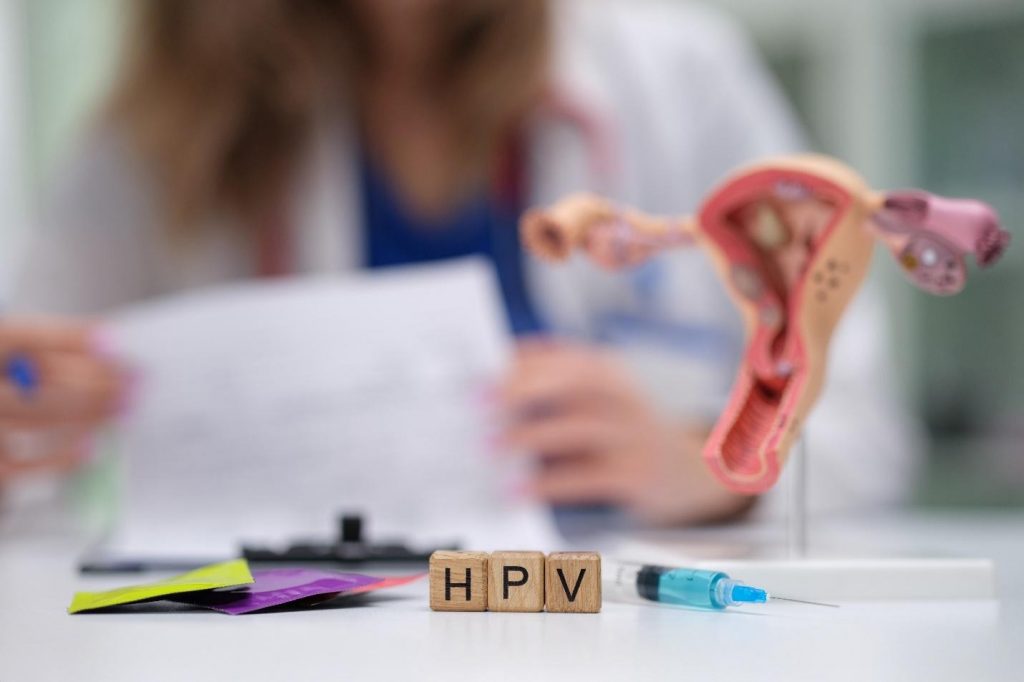
The HPV vaccine safeguards women’s health by preventing cervical cancer and other HPV-related diseases before they develop.
For many parents and teens, knowing what to expect can help reduce any nervousness about vaccination. The process is simple, efficient, and usually completed within half an hour.
It entails:
Pre-vaccination check – our doctor will review your teen’s health history, allergies and suitability for the vaccine. This step ensures that your child is medically fit for vaccination.
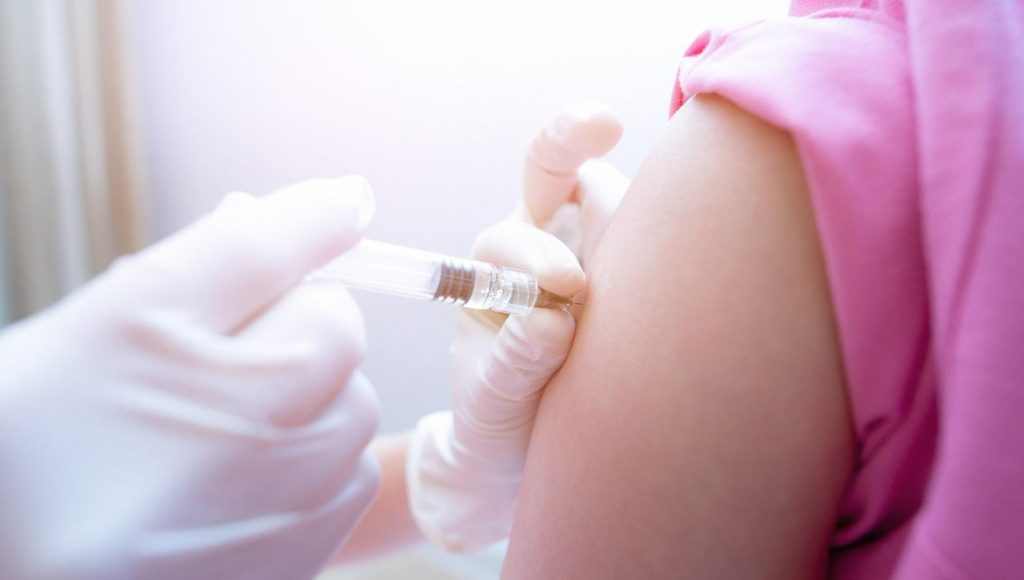
Injection – the vaccine is given as a quick injection in the upper arm. The procedure is similar to other routine vaccinations and is usually well-tolerated.
Observation period – after the injection, your teen will remain in the clinic for about 15 minutes. This is standard practice to ensure there are no immediate side effects.
Post-care – mild arm soreness or a temporary fever may occur, but typically resolves quickly. Most teens can return to school, sports or their usual activities straight after the appointment.
Our clinic will also schedule reminders for the next dose, helping your teen stay on track to complete the full vaccination series.
Give Your Teen a Head Start on Health
The HPV vaccine is a safe and effective tool in preventing HPV-related cancers and diseases. By choosing to vaccinate your teens, you are investing in their long-term health and protecting them from conditions that may only surface decades later.
At Phoenix Medical Group, we understand that parents want clear answers and reliable guidance when it comes to their child’s health. Our doctors are here to provide professional advice, address your concerns and ensure your teens receive the best care.
Ault K. A. (2006). Epidemiology and natural history of human papillomavirus infections in the female genital tract. Infectious diseases in obstetrics and gynecology, 2006 Suppl, 40470. https://doi.org/10.1155/IDOG/2006/40470
So, K. A., Lee, I. H., Lee, K. H., Hong, S. R., Kim, Y. J., Seo, H. H., & Kim, T. J. (2019). Human papillomavirus genotype-specific risk in cervical carcinogenesis. Journal of gynecologic oncology, 30(4), e52. https://doi.org/10.3802/jgo.2019.30.e52
Baba, S. K., Alblooshi, S. S. E., Yaqoob, R., Behl, S., Al Saleem, M., Rakha, E. A., Malik, F., Singh, M., Macha, M. A., Akhtar, M. K., Houry, W. A., Bhat, A. A., Al Menhali, A., Zheng, Z. M., & Mirza, S. (2025). Human papilloma virus (HPV) mediated cancers: an insightful update. Journal of translational medicine, 23(1), 483. https://doi.org/10.1186/s12967-025-06470-x
Sabatini, M. E., & Chiocca, S. (2020). Human papillomavirus as a driver of head and neck cancers. British journal of cancer, 122(3), 306–314. https://doi.org/10.1038/s41416-019-0602-7
Hussein, A. A., Helder, M. N., de Visscher, J. G., Leemans, C. R., Braakhuis, B. J., de Vet, H. C., & Forouzanfar, T. (2017). Global incidence of oral and oropharynx cancer in patients younger than 45 years versus older patients: A systematic review. In European Journal of Cancer (Vol. 82, pp. 115–127). Elsevier BV. https://doi.org/10.1016/j.ejca.2017.05.026
Bhatia, N., Lynde, C., Vender, R., & Bourcier, M. (2013). Understanding genital warts: epidemiology, pathogenesis, and burden of disease of human papillomavirus. Journal of cutaneous medicine and surgery, 17 Suppl 2, S47–S54
Chan, Y.M., Ismail, M.Z.H. & Khaw, WF. Factors influencing the prevalence of cervical cancer screening in Malaysia: a nationwide survey. BMC Women's Health 23, 389 (2023). https://doi.org/10.1186/s12905-023-02553-3
Works Cited Ramakrishnan, S., Partricia, S., & Mathan, G. (2015). Overview of high-risk HPV’s 16 and 18 infected cervical cancer: Pathogenesis to prevention. In Biomedicine & Pharmacotherapy (Vol. 70, pp. 103–110). Elsevier BV. https://doi.org/10.1016/j.biopha.2014.12.041
Schmuhl, N. B., Mooney, K. E., Zhang, X., Cooney, L. G., Conway, J. H., & LoConte, N. K. (2020). No association between HPV vaccination and infertility in U.S. females 18-33 years old. Vaccine, 38(24), 4038–4043. https://doi.org/10.1016/j.vaccine.2020.03.035
Comprehensive Health Screening Guide in Singapore: Which Screening Should You Get?
Health screenings are an important aspect of preventive healthcare, helping individuals detect potential issues early, manage existing conditions effectively, and maintain overall well-being. Health screenings are more than just routine check-ups—they are proactive steps toward a longer and healthier life.
In Singapore, common health issues include diabetes [1], cardiovascular diseases and various types of cancer, several of which can be managed with early intervention. This guide will help you understand the types of health screenings that are relevant to you based on your age, gender, lifestyle, and risk factors.
Benefits of Regular Health Screenings
Regular screenings are vital for early detection and prevention. Beyond addressing physical health, these check-ups also provide peace of mind and the opportunity to make lifestyle changes and take better care of your health.
Here are some major benefits of regular health screenings:
Early detection: Identifies diseases like diabetes, hypertension, or cancer before symptoms appear. This can improve the chances of successful treatment and recovery.
Prevention of chronic health conditions: Health screenings enable timely intervention to prevent diseases from progressing into chronic conditions. It also helps people to understand their health and make lifestyle adjustments accordingly.
Management of current conditions: Health screenings help individuals monitor their conditions and treatment so that they know they are taking the right steps, such as adjusting medications.
Peace of mind and awareness: Regular health screenings help individuals alleviate their anxiety about perceived health problems and encourage proactive health management.
Regular health screenings allow for early detection and management of medical conditions so you can enjoy a long and healthier life.
Health screenings, although general, are best tailored to each individual specifically depending on factors such as:
Age
Gender
Family history
Additional risk factors and concerns
This is why it’s important to book a consultation to evaluate each individual and their risk factors before recommending an appropriate health screening.
Health Screenings for Adults (General Recommendations)
Health screenings help adults stay ahead of health issues and challenges. Routine screenings give us valuable insights into our health and well-being, allowing us to detect and manage conditions such as high blood pressure and diabetes early. These tests offer a practical way to safeguard our health and make informed decisions.
Here are the general health screening recommendations for adults and their purposes:
Blood Test: A general blood test assesses various components of the blood, such as red and white blood cell counts, haemoglobin, and platelets.
Pressure Check: High blood pressure, or hypertension [2], is often called a “silent killer” because it usually presents no symptoms but significantly increases the risk of heart disease, stroke and kidney failure. Regular blood pressure checks ensure early detection, allowing timely lifestyle changes or treatment to manage the condition and reduce long-term health risks.
Cholesterol Test: A cholesterol test [3], or lipid profile, measures levels of good (HDL) and bad (LDL) cholesterol in the blood. High LDL or low HDL levels can lead to plaque buildup in arteries, increasing the risk of heart attacks and strokes. Regular monitoring helps to assess current cardiovascular health and encourages lifestyle and dietary changes.
Blood Sugar Level Test: A blood sugar test evaluates glucose levels in the blood to detect prediabetes or diabetes. Early detection is critical for managing blood sugar and preventing complications such as nerve damage, kidney disease, and vision loss. Tests may include fasting blood sugar, HbA1c, or oral glucose tolerance tests.
Body Mass Index (BMI) Measurement: The BMI test [4] measures body fat based on height and weight, indicating whether a person falls within a healthy weight range. It helps identify risks associated with obesity, such as diabetes, heart disease, and joint problems.
Hepatitis Profile: This test screens for hepatitis viruses (A, B, and C), which can cause liver inflammation and damage.
Renal Profile: The renal profile evaluates kidney function by measuring levels of creatinine, urea, and electrolytes like sodium and potassium in the blood. It also can detect kidney disease or dysfunction at an early stage.
Thyroid Profile: This test measures thyroid hormone levels, including TSH, T3, and T4, to assess thyroid gland function and identify conditions like hypothyroidism or hyperthyroidism.
Bone and joint screenings: Bone and joint screenings involve tests like bone density scans (DEXA) and assessments for inflammatory markers to evaluate bone strength and detect conditions like osteoporosis or arthritis.
Tumour marker tests: These tests measure specific substances in the blood, urine, or tissues that may indicate the presence of certain types of cancer.
Preventive Cancer Screenings:
Cervical Cancer: The Pap smear detects precancerous changes or abnormalities in the cervix, allowing early treatment before cancer develops. It is generally recommended for females aged 25-69.
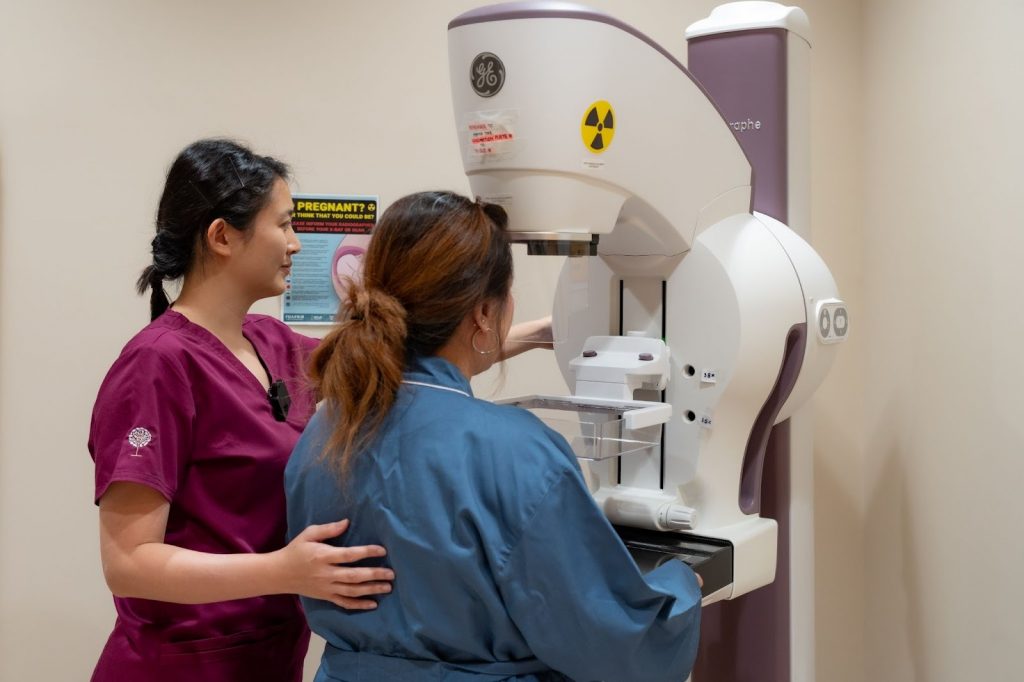
Breast Cancer: Mammograms use low-dose X-rays to detect breast cancer at an early stage before symptoms develop. Women aged 40 and older are recommended to undergo screenings every one to two years, depending on their risk factors and family history.
Colorectal Cancer: Colorectal cancer screening involves tests like the faecal occult blood test (detecting hidden blood in stool) or colonoscopy (visual examination of the colon). These screenings identify early cancer or precancerous polyps.
Prostate Cancer: The prostate-specific antigen (PSA) test measures PSA levels in the blood, which may indicate prostate cancer or other conditions like an enlarged prostate.
Other Essential Tests
Liver and Kidney Function Tests: These blood tests evaluate the function of the liver and kidneys. They detect conditions like liver disease, hepatitis or kidney damage, often before symptoms develop.
Vision and Hearing Tests: Vision tests assess eye health and detect issues such as glaucoma, cataracts, or refractive errors. Hearing tests identify hearing loss, which is common with age or due to prolonged exposure to loud environments.
General health screenings in Singapore include blood tests, BMI test, kidney function tests, and more.
Health Screenings by Age
Health screenings are aligned with the specific needs of different age groups. In your 20s and 30s, baseline tests like blood pressure, cholesterol, and blood sugar assessments are typically recommended along with mental health screenings. In your 40s, more comprehensive screenings such as mammograms, Pap smears and colonoscopies become crucial for detecting early signs of cancer. Women may also benefit from bone health assessments as hormonal changes begin to impact bone density.
In your 50s and beyond, screenings intensify to include heart health evaluations like stress tests and ECGs, as well as checks for dementia risk, vision, and hearing impairments. Tailoring screenings to your age ensures timely detection and intervention and contributes to more positive health outcomes.
Here are the recommended health screenings based on age groups:
Age Group
Recommended Health Screenings
30s – 40s
Cancer screenings (mammogram, Pap smear, colonoscopy), Bone health tests, Hormonal health checks, Sexually Transmitted Diseases (STD) checks
40s – 50s
Cancer screenings (mammogram, Pap smear, colonoscopy), Bone health tests, Hormonal health checks
50s and beyond
Frequent cancer screenings, Heart health tests (stress test, ECG), Dementia risk, Vision and hearing checks
Health Screenings Based on Gender
Health screenings often vary by gender due to differences in anatomy, hormonal influences, and disease risks. While general tests such as blood tests and cholesterol checks are the same recommendations for both genders, other tests differ. For women, screenings often include reproductive and hormonal health, including Pap smears [5] for cervical cancer, mammograms for breast cancer, and bone density tests to monitor osteoporosis risk, particularly after menopause.
For men, health screenings may also include prostate cancer screenings (PSA tests) [6] and guidance on testicular self-examinations to help detect specific cancers early. Gender-specific screenings provide a comprehensive approach to maintaining health and addressing risks effectively.
Here are some recommended health screenings based on gender:
Gender
Recommended Health Screenings
Women
Cervical Cancer Screening (Regular Pap smears), Breast Cancer Screening (Mammograms starting at age 40), Bone density tests, Pregnancy-related screenings, Hormonal checks
Men
Prostate Cancer Screening (Men aged 50 and above), Cardiovascular Health Check, Hormonal checks
Regular health screenings encourage proactive management and lifestyle changes that benefit the whole family.
Health Screenings Based on Lifestyle, Risk Factors and Specific Conditions
Your lifestyle and personal risk factors also influence the type of health screenings you need. Smokers, for example, should prioritise lung cancer screenings and respiratory function tests to detect potential damage early.
If you have a family history of chronic diseases such as diabetes, heart disease, or cancer, genetic testing and enhanced cancer screenings can provide important insights. Sedentary lifestyles increase the risk of cardiovascular diseases and diabetes, making ECGs, stress tests and blood sugar screenings essential.
If you already have a specific condition, you may also require additional health screenings. Here are some health screenings based on lifestyle and risk factors that you should consider:
Lifestyle/Risk Factors
Recommended Health Screenings
Smokers
Lung cancer screening, Respiratory function tests, Cardiovascular health check, General health screening
Family history of chronic diseases
Cancer screenings, Cardiovascular health check, Diabetes screening, Bone health assessment, General health screening, Kidney function test
Sedentary
Cardiovascular health check, General health screening, Musculoskeletal assessments, Mental health screening, Liver and kidney function test
Specific condition
Chronic Illnesses: Lipid profile test, Kidney Function tests, Blood pressure, Diabetes test, Liver function test, Thyroid profile. Heart Disease, and Stroke Risk: ECG test, EchocardiogramCholesterol levels, CT Angiogram, Lipoprotein(a)Homocysteine
Those with sedentary lifestyles should consider health screenings and make lifestyle adjustments where necessary.
How to Choose a Health Screening Package in Singapore
Selecting the right health screening package in Singapore depends on your individual health needs, budget and personal preferences.
Private health screening packages are available for those who prefer more comprehensive or personalised assessments. When considering a screening package, it is helpful to review the range of tests included, the relevance of those tests to your age and risk profile, and the overall value of the package.
If you are unsure which screenings are most appropriate for you, consulting a doctor can help determine the most suitable tests based on your medical history, lifestyle and risk factors. A personalised approach ensures that screenings are both relevant and effective in identifying potential health concerns early.
When to Seek Specialist Care
If your health screening results indicate abnormal findings, it is important to seek medical advice promptly. Abnormal results may suggest underlying conditions that require further evaluation.
Depending on the findings, your doctor may recommend additional tests or refer you to a specialist for a more detailed assessment and treatment. For example, abnormal cardiac test results may require evaluation by a cardiologist, while suspicious cancer screening findings may require consultation with an oncologist. Early medical attention allows conditions to be managed more effectively and helps improve long-term health outcomes.
Conclusion
Regular health screenings play an important role in maintaining long-term health and identifying potential issues at an early stage. Screening tests allow individuals to monitor their health, make informed lifestyle decisions and receive timely medical care when needed.
If you are unsure which health screenings are appropriate for you, speaking with a doctor can help you understand your risk factors and determine the most suitable screening plan for your age, health status and lifestyle.
Frequently Asked Questions
What are the most important health screenings?
For most adults, important health screenings include body mass index (BMI), cholesterol and blood pressure screening, kidney function tests, tumour markers, and more. However, it depends on the individual and their lifestyle, age, and gender.
How often should I do health screening in Singapore?
The frequency of a health screening depends on various factors, including your age, gender, family history, and overall health status. For most adults, scheduling a comprehensive health screening every one to two years is an ideal approach to maintaining well-being. Consult with your doctor for more information.
Is health screening the same as a medical check-up?
No, they are related but different. Health screenings are specific tests based on age, gender, or risk factors, while a medical check-up is a general examination by a doctor. Screenings are an important aspect of check-ups and help doctors gain a comprehensive understanding of your health to determine treatment or lifestyle changes.
I’ve Hit My 30s — What Health Screenings Should I Go For? Answered By a Doctor
Hitting your 30s can feel like a bittersweet milestone. You are wiser, more confident and likely juggling a whirlwind of responsibilities. But as life shifts gears, so does your body. This decade often marks the beginning of subtle changes in health, changes that, if caught early, can help you stay ahead of the curve for years to come. While it’s easy to get swept up in career goals, family life, or personal aspirations, taking a moment to prioritise your health can make all the difference.
Think of your 30s as the foundation-building phase for your long-term well-being. Just like you plan for the future in other aspects of life, regular health screenings are a proactive way to ensure your body is ready to support your ambitions. These screenings aren’t just about addressing current concerns; they are about prevention, early detection and giving you peace of mind.
This guide provides an overview of the key health screenings to consider in your 30s, designed to help you prioritise your well-being.
As you approach your 30s, it is important for you to prioritise health screenings and consult a doctor to detect potential issues early and maintain long-term wellness.
1. General Health Screenings
As a doctor, one of the first things I tell my patients in their 30s is that this is the decade where prevention is key. Many health conditions, like hypertension, high cholesterol and even diabetes, can develop silently during this time without any noticeable symptoms. That’s why regular health screenings are so crucial; they allow us to detect and address these issues early, often before they become serious.
When we talk about general health screenings, we are not just ticking boxes; we are creating a baseline for your health. For example, tests for blood pressure, cholesterol levels, and blood sugar help us identify risks for cardiovascular disease or diabetes. These are common conditions that, if caught early, can be managed effectively through lifestyle changes or medication.
Another thing to keep in mind is that your screening should be personalised. Family history, lifestyle factors, and even your work environment play a role in determining which tests are most relevant for you. For instance, if you have a family history of heart disease or diabetes, you should start screenings earlier or do them more frequently.
I always remind my patients that these check-ups are about creating a roadmap for better health. They give us a chance to talk about diet, exercise and stress management, which are just as important as the numbers on a lab report.
2. Cardiovascular Health
In your 30s, I often notice patients starting to ask more questions about their heart health, and rightly so. This is the decade when the effects of years of habits, whether good or bad, begin to show. It’s not uncommon to see slightly elevated blood pressure or cholesterol levels during this time, often without any symptoms. That’s why I encourage regular check-ups and simple screenings to ensure we catch any changes early. These small steps can make a big difference in keeping your heart healthy and your future bright.
Blood Pressure Monitoring
Did you know high blood pressure, or hypertension, is often called the “silent killer”? ([1] It rarely shows symptoms until it has caused significant damage to your heart or other organs. Monitoring your blood pressure during routine check-ups can detect hypertension early and allow timely intervention through lifestyle changes or medications. These simple screenings can prevent complications like heart disease or stroke.
It is essential to regularly monitor your blood pressure in your 30s as doing so can help identify early signs of cardiovascular risks.
Cholesterol Level Assessment
A lipid profile test is another essential screening in your 30s [2]. Elevated cholesterol, particularly LDL (bad cholesterol), can lead to plaque build-up in your arteries, which significantly increases the risk of heart attacks and strokes. If your cholesterol levels are higher than recommended, we can work together to develop a plan involving dietary changes, exercise routines, or medications to bring them under control.
Cardiac Screening Procedures
Depending on your risk profile and symptoms, doctors may recommend several cardiac screening procedures to evaluate heart health more thoroughly. These tests help detect structural abnormalities, rhythm disorders or potential blockages in the blood vessels.
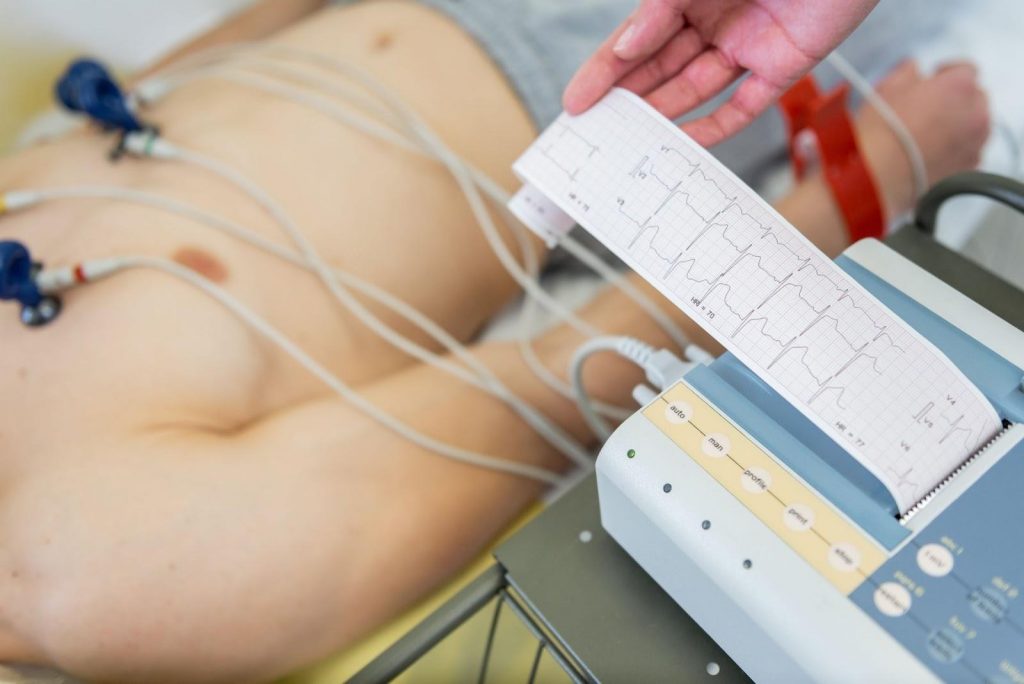
Electrocardiogram (ECG): Records the heart’s electrical activity to detect conditions such as arrhythmias and ischaemia.
Echocardiogram (ECHO): Provides detailed images of the heart’s structure and function, often used to assess the heart valves and chambers.
2D Echocardiography (2DE): Offers two-dimensional images of the heart, helping detect structural abnormalities.
CT Angiogram: A non-invasive imaging test that visualises blood vessels to identify blockages or abnormalities in the arteries.
Treadmill Exercise Test (TMX): Monitors heart activity during physical exertion to identify potential coronary artery diseases or other heart-related conditions.
In your 30s, cardiovascular tests like Electrocardiogram (ECG) can help detect heart irregularities early and ensure long-term heart health.
Laboratory Investigations for Cardiac Risk
In addition to imaging tests, we recommend specific lab investigations to gain a comprehensive understanding of your cardiovascular health:
Diabetic Profile: Tests like HbA1c and fasting blood glucose to assess blood sugar levels, as diabetes is a significant risk factor for heart disease [4].
Whether you’re navigating a high-stress career, adjusting to parenthood or simply working towards a healthier lifestyle, regular cardiac screenings are invaluable. These tests are not just for those with a family history of heart disease; they are for anyone who values their well-being.
By prioritising these screenings now, you are building a solid foundation for a strong and healthy heart in the decades ahead.
3. Cancer Screenings
When it comes to cancer, early detection is your best defence. Many of my patients in their 30s ask whether it’s too soon to start thinking about cancer screenings. My answer is always the same: it’s never too early to prioritise your health, especially if you have a family history or other risk factors. Let me explain why these screenings matter and which ones you should consider.
Breast Cancer Screening
In your 30s, taking a proactive approach to breast health is essential, particularly if you have a family history of breast cancer or other risk factors. Routine mammograms are typically recommended starting at age 40 for women at average risk, but for those with a higher risk, earlier screenings may be necessary [5]. It’s always best to discuss your individual risk factors and screening plan with your healthcare provider.
For women in their 30s, breast ultrasounds can be a helpful option. This imaging technique uses sound waves to examine breast tissue and can detect abnormalities such as lumps or cysts.
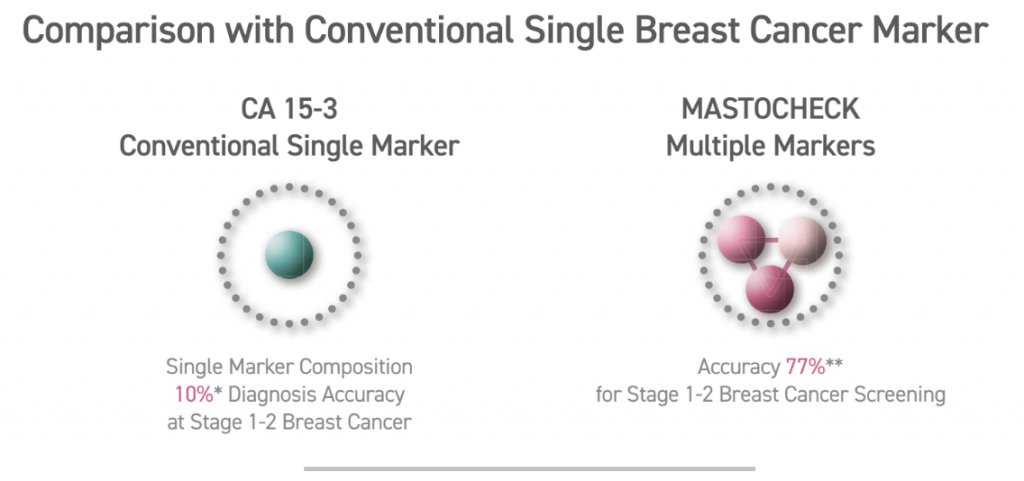
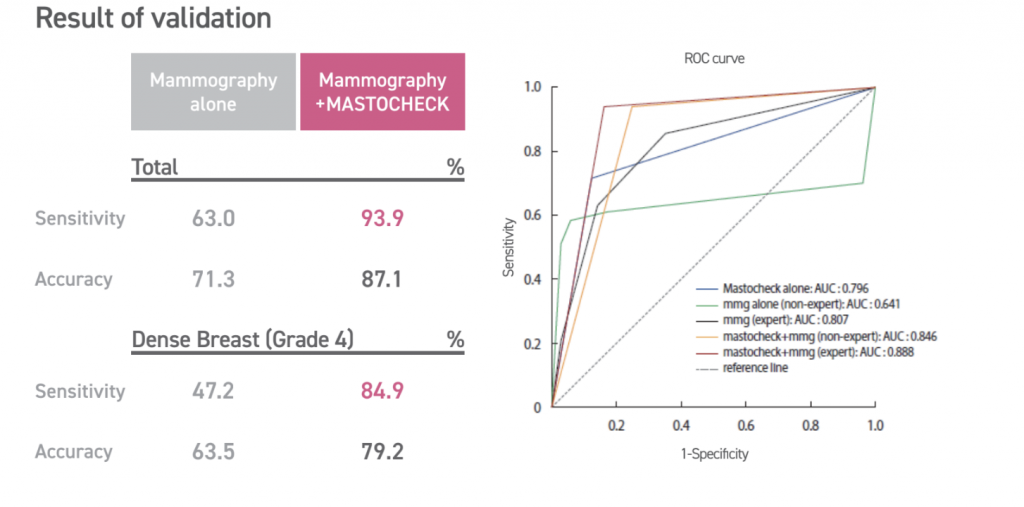
For those looking for additional and comprehensive screening methods, the Mastocheck Early Breast Cancer Screening is a valuable tool [6]. This non-invasive blood test utilises proteomics-based early diagnostic technology to detect early-stage breast cancer. It’s particularly beneficial for women who may not yet need routine mammograms or who want an extra layer of reassurance.
Women in their 30s must prioritise regular breast screenings, such as ultrasounds, to detect any abnormalities early and ensure optimal breast health.
Multi-Cancer Early Screening
Many people assume cancer screenings are limited to specific types of cancer, such as breast or colorectal cancer. However, advances in medical technology have introduced blood-based screening approaches that may help detect signals associated with multiple cancers from a single sample.
These tests analyse certain biomarkers or molecular signals in the blood that may indicate the presence of cancer at an early stage. Some cancers, such as pancreatic or ovarian cancer, often develop without noticeable symptoms in their early stages, which makes early detection particularly valuable.
Multi-cancer early detection technologies are still evolving, but they highlight how modern medicine is expanding the possibilities of preventive screening. For individuals with a strong family history of cancer or those seeking a broader assessment of their health risks, discussing available screening options with a doctor can help determine whether additional testing may be appropriate.
Cancer screening is not about waiting for symptoms to appear. It is about identifying potential risks early so that timely medical attention can be provided when needed. Screening methods such as mammography, breast ultrasound and other recommended tests remain important tools in detecting cancer early and improving treatment outcomes.
Summary
Entering your 30s is an important milestone, a decade when proactive health choices can have a lasting impact on your future well-being. The screenings discussed in this guide, including general health checks, cardiovascular assessments and cancer screenings, can help detect potential health issues early and support long-term wellness.
Health screenings are not simply routine tests; they are opportunities to identify silent health risks, make informed lifestyle decisions and take preventive action before conditions become serious. Building a habit of regular screenings in your 30s helps create a strong foundation for better health in the decades ahead.
If you are unsure which screenings are most suitable for you, consulting our doctor can help determine the appropriate tests based on your age, medical history and risk factors. Early guidance and timely screening can make a significant difference in maintaining long-term health.
Bodde, M. C., Hermans, M. P. J., Jukema, J. W., Schalij, M. J., Lijfering, W. M., Rosendaal, F. R., Romijn, F. P. H. T. M., Ruhaak, L. R., van der Laarse, A., & Cobbaert, C. M. (2019). Apolipoproteins A1, B, and apoB/apoA1 ratio are associated with first ST-segment elevation myocardial infarction but not with recurrent events during long-term follow-up. Clinical Research in Cardiology, 108(5), 520–538. https://doi.org/10.1007/s00392-018-1381-5
Sherwani, S. I., Khan, H. A., Ekhzaimy, A., Masood, A., & Sakharkar, M. K. (2016). Significance of hba1c test in diagnosis and prognosis of diabetic patients. Biomarker Insights, 11, 95–104. https://doi.org/10.4137/BMI.S38440
omlinson-Hansen, S. E., Budh, D. P., & Sapra, A. (2025). Breast cancer screening in the average-risk patient. In StatPearls. StatPearls Publishing. http://www.ncbi.nlm.nih.gov/books/NBK556050/
Kim, Y., Kim, H.-K., Lim, C., Kim, S., Ahn, K.-G., & Noh, D.-Y. (2022). The usefulness of a three-protein signature blood assay (Mastocheck®) for follow-up after breast cancer surgery. Journal of Cancer Research and Clinical Oncology, 149(9), 5733–5741. https://doi.org/10.1007/s00432-022-04550-9
Flu Vaccinations in Singapore: Who Needs Them and Why?
The influenza vaccine provides yearly protection against circulating flu strains, which helps reduce the risk of serious illness and transmission.
Influenza, more commonly known as the flu, is a contagious respiratory illness caused by influenza viruses. In Singapore, the flu is fairly common, given the hot and humid weather all-year-round, creating a conducive environment for viruses to survive and circulate easily.
Flu vaccinations remain the most effective way to prevent influenza and its complications. It not only reduces the likelihood of falling ill but also limits the severity of symptoms if infection occurs. Moreover, getting vaccinated helps reduce the spread of the virus in the community as it protects those who are unable to receive the vaccine, such as very young infants or individuals with specific medical conditions. In this article, we will look into flu vaccinations in Singapore, who needs them and why.
Understanding the Flu: Spread and Symptoms
Influenza is an acute viral infection caused by influenza viruses, which primarily affect the respiratory system. There are four main types of influenza viruses, A, B, C, and D, but only types A and B are responsible for seasonal flu outbreaks in humans [4]. These viruses are highly infectious and have the ability to mutate rapidly, resulting in new strains that can vary from year to year.
Influenza spreads mainly through droplets expelled when an infected person coughs, sneezes, or talks. These droplets can land in the mouths or noses of nearby individuals or be inhaled into the lungs. The virus can also spread through contact with contaminated surfaces, such as door handles or shared devices, followed by touching the face. Because it can be transmitted before symptoms appear and up to a week after falling ill, influenza is particularly difficult to contain without proactive measures like vaccination and good hygiene practices.
Potential complications of influenza include:
Pneumonia — a serious lung infection that can be life-threatening, especially in the elderly and those with chronic illnesses.
Sinus and ear infections — particularly in children.
Exacerbation of chronic conditions — such as asthma, diabetes, and heart disease.
Hospitalisation or death — in severe cases, particularly among vulnerable populations.
Influenza is a contagious respiratory infection that spreads easily and can lead to serious health complications, especially in high-risk groups.
Why is the flu so common in Singapore?
The flu is relatively common in Singapore for the following reasons:
Tropical climate — Because of Singapore’s constant warm and humid climate, influenza viruses can circulate all-year-round.
High population density — Singapore is a densely populated urban society, which increases chances of person-to-person transmission.
International travel hub — The country is well-known for being an international travel hub, increasing risk of imported flu strains.
Enclosed environments — Enclosed, air-conditioned spaces are common in Singapore, and are conducive spaces for virus survival and transmission.
Who Should Consider a Flu Vaccine?
Influenza vaccination is recommended for everyone aged 6 months and older, with rare exceptions. The Ministry of Health (MOH) in Singapore [5], along with global health authorities such as the World Health Organization (WHO) [6], advises annual flu vaccination as a key preventive measure. This is because influenza viruses evolve constantly, and the vaccine is updated regularly to offer protection against the most common circulating strains.
While the general population can benefit from vaccination, certain groups face a significantly higher risk of developing serious complications from the flu. For these individuals, the flu vaccine is not only a preventive measure, it can be life-saving.
Elderly Individuals (65 years and Above)
Older adults are more vulnerable to severe flu-related illnesses [7]. With age, the immune system weakens, which minimises the body’s ability to fight infections effectively. Influenza in the elderly is more likely to lead to hospitalisation, pneumonia, and, in some cases, death. Annual vaccination offers critical protection by reducing the severity of illness and the risk of complications.
Young Children (6 months to Under 5 Years)
Young children, particularly those under five years of age, have less developed immune systems, which makes them more susceptible to influenza and its complications, including febrile seizures and respiratory infections [8]. The flu vaccine helps to strengthen their immunity and reduce transmission in childcare settings and homes.
Pregnant Women
Pregnant women are more prone to severe flu symptoms and complications, especially in the later stages of pregnancy [9]. Importantly, the flu vaccine also provides protection to the unborn child, with antibodies passed from mother to baby. Vaccination is safe during any trimester and is strongly recommended as part of routine maternal care.
Individuals with Chronic Medical Conditions
People living with chronic conditions such as diabetes, asthma, chronic lung disease, heart disease, or compromised immune systems are more likely to experience complications from the flu [10]. Influenza can exacerbate existing conditions and lead to longer recovery times. Annual vaccination helps lower these risks and prevents disease flare-ups triggered by flu infection.
Healthcare Workers and Caregivers
Those who work in healthcare or provide care to vulnerable individuals, such as the elderly or chronically ill, are at increased risk of contracting and spreading influenza. Vaccinating this group not only protects them but also helps safeguard the health of the people they care for.
When’s the best time to get a flu vaccination?
There is no hard-and-fast rule when it comes to getting a flu vaccine. However, there are certain instances where it may be more beneficial for you, such as:
Peaks in flu circulation — In Singapore, ideal times to get a flu vaccine would be in April, to protect against the mid-year spike, and October to protect you until the end of the year, when flu more commonly spreads.
Before traveling — Getting a flu vaccination right before a trip can help prevent you from falling ill and putting a halt on your holiday.
Before the school term starts — Schools are high-risk environments for flu transmission, and getting your child vaccinated ensures a good start to their school term, protecting them from infection.
Before medical procedures — If you expect to be hospitalised or have a compromised immunity, getting a flu vaccination will be ideal for extra protection and optimal outcomes while you heal from your procedure.
Addressing Common Misconceptions
Despite widespread public health campaigns and scientific evidence, several misconceptions about the flu vaccine persist. These misunderstandings can discourage people from getting vaccinated; as a result, they may put themselves and others at risk. Here are some common myths associated with influenza vaccines.
“The Flu Vaccine Can Cause The Flu”
This is one of the most persistent myths. In reality, the flu vaccine used in Singapore contains inactivated (killed) viruses or fragments of the virus that cannot cause illness. These components are designed to trigger an immune response, which helps the body build protection without causing infection.
Some people may experience mild side effects after vaccination, such as a low-grade fever, fatigue, or soreness at the injection site, but these are signs that the immune system is responding to the vaccine, not symptoms of influenza. The flu vaccine cannot give you the flu.
“Healthy Individuals Don’t Need the Vaccine”
It’s a common belief that flu vaccination is only necessary for the elderly or people with chronic illnesses. While high-risk groups are more likely to experience severe complications, healthy individuals can still get infected and suffer from uncomfortable symptoms, time off work or school, and, in rare cases, complications like pneumonia.
Moreover, healthy individuals can transmit the virus to others, including family members or colleagues who may be more vulnerable. Vaccinating healthy people contributes to community protection and helps break the chain of transmission.
“Vaccination Is Unnecessary If It’s Not Flu Season”
Unlike temperate countries with clear flu seasons, Singapore experiences influenza activity throughout the year, with peaks typically seen from May to July and November to January. This makes it important to stay protected regardless of the time of year.
Waiting for a “flu season” in Singapore can lead to missed opportunities for prevention. As immunity builds about two weeks after vaccination, timely vaccination, before known peak periods or ahead of travel to countries experiencing seasonal outbreaks, is essential for effective protection.
Potential Side Effects and Safety
The flu vaccine has a strong safety track record and is generally well-tolerated. Still, knowing what to expect can help you feel more confident about your decision.
Common Side Effects
Most people experience no issues after their flu shot. If side effects do occur, they are usually mild and go away within a couple of days. These may include:
A sore or slightly swollen area around the injection site
Low-grade fever
Mild fatigue or muscle aches
These are normal immune responses and a sign that your body is developing protection.
Rare Side Effects
Severe reactions to the flu vaccine are extremely rare. In isolated cases, people may have allergic responses, such as hives, swelling or breathing difficulties, usually within minutes of the injection.
Our clinical team monitors every patient briefly after vaccination and is fully equipped to manage any adverse reaction safely and promptly.
Why Flu Vaccination Matters Now More Than Ever
Influenza continues to be a significant public health concern in Singapore, affecting people of all ages throughout the year. With recurring peaks in flu activity, annual flu vaccination remains one of the most effective ways to reduce the risk of infection, serious complications and transmission to others. It is a simple preventive step that can make a meaningful difference to both individual and community health.
If you are considering a flu vaccination or would like advice on whether it is appropriate for you, arrange a consultation with our doctor. A proper assessment can help you make an informed decision based on your health needs and risk factors.
Drobnik, J., Pobrotyn, P., Witczak, I. T., Antczak, A., & Susło, R. (2021). Influenza as an important factor causing increased risk of patients’ deaths, excessive morbidity and prolonged hospital stays. Archives of Medical Science : AMS, 19(4), 941–951. https://doi.org/10.5114/aoms/138145
Oseghale, O., Vlahos, R., O’Leary, J. J., Brooks, R. D., Brooks, D. A., Liong, S., & Selemidis, S. (2022). Influenza virus infection during pregnancy as a trigger of acute and chronic complications. Viruses, 14(12), 2729. https://doi.org/10.3390/v14122729
A Comprehensive Guide to Breast Cancer Screening: From Blood Tests to Mammograms 2026
Breast cancer remains a significant health concern for women throughout the globe. In Singapore, it stands as the most common type of cancer among women. The Singapore Cancer Registry [1] reported that breast cancer accounts for nearly one in three cancer diagnoses among women in the country. This translates to 29.7% [2] of all female cancers, with approximately 1,100 new cases diagnosed annually. However, what is even more concerning is the fact that roughly 270 women [3] succumb to the disease each year.
Due to its prevalence, early detection through regular screening plays a critical role in improving the survival rate. In fact, research shows that early diagnosis can increase the chances of successful treatment by as much as 90% [4].
The aim of breast cancer screening is to identify the cancer at its earliest stage, ideally before symptoms are noticeable. By detecting cancer early, women have more treatment options available and a greater likelihood of successful outcomes. This guide will provide a comprehensive overview of the breast cancer screening options available today, from blood tests to mammograms and how each method can contribute to early detection.
A breast cancer screening is essential in preventing and detecting breast cancer before it becomes symptomatic.
Understanding Breast Cancer Screening
Early detection of breast cancer significantly improves treatment outcomes, with a 5-year survival rate of nearly 99% for localised breast cancer.
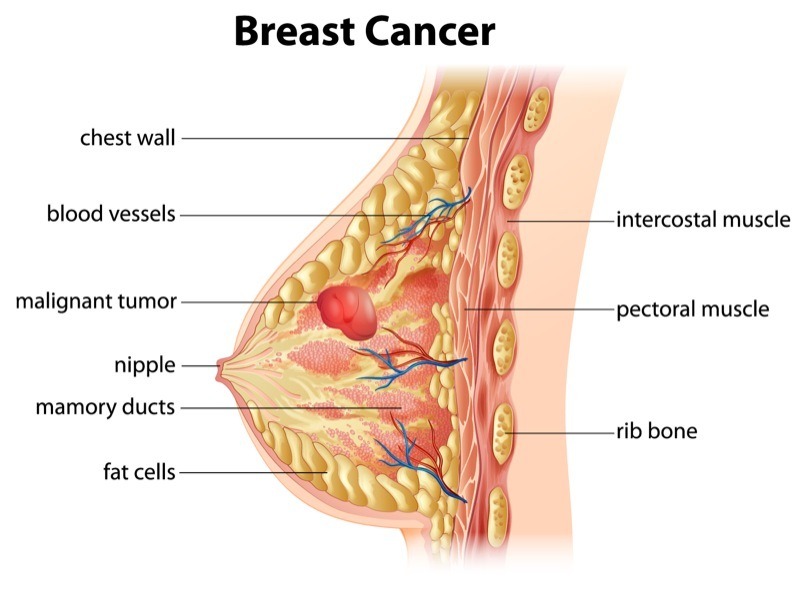
Breast cancer screening refers to the preventive measures taken to detect breast cancer before any symptoms emerge. Unlike diagnostic tests that are performed when there are visible signs or symptoms of breast cancer, screening is done on seemingly healthy individuals, especially among those with a family history of breast cancer. The primary objective of screening is to identify cancer early, ideally when it is confined to the breast tissue, and has not spread to other parts of the body.
Regular breast cancer screening is essential for all women, particularly those over the age of 40 years old or those with a family history of breast cancer. However, women with other high-risk factors as listed below may need to begin screening early:
Age — as women age, the risk of breast cancer increases, with most cases diagnosed after the age of 50 [5].
Dense breast — women with dense breasts [6] are more at risk of breast cancer, with the density making it harder to see tumours on a mammogram.
Family history — a family history [8] of breast cancer increases the possibility of breast cancer.
Genetics — inherited mutations to certain genes (BRCA1, and BRCA2 [9]) can increase the likelihood of developing breast cancer.
Menstrual history — women who started menstruating before 12 years old, or started menopause after 55 years old are more at risk of developing breast cancer due to the long exposure to hormones [11].
Previous breast cancer history — women with a previous history of breast cancer [12] are at risk of relapsing. Meanwhile, women with a history of benign breast diseases like lobular carcinoma in situ, or atypical ductal hyperplasia, are more prone to developing breast cancer.
Previous radiation treatment — prior exposure to radiation [13] due to treatment to the chest, or breasts before 30 years old increases the risk of breast cancer.
Alcohol consumption — a woman’s risk of developing breast cancer increases if she consumes alcohol at an excessive rate [14].
Lifestyle — women who lead a sedentary, or not physically active lifestyle are at an increased risk of developing breast cancer.
Weight — women who are considered overweight or obese [15] after going through menopause are more likely to develop breast cancer compared to those who maintain a healthy weight.
Women with an elevated risk of developing breast cancer are encouraged to schedule routine breast cancer screening to get ahead of the disease.
It is important to understand that consistent screening can significantly improve a woman’s chance of beating the cancer, as early detection may also include the following benefits:
Early intervention and treatment
More treatment options available
Better outcomes and results
Lowers the necessity for more aggressive treatments
Higher quality of life post-recovery
Reduces the mortality rate
Be that as it may, it is crucial to choose the appropriate screening method based on individual risk factors, age, and lifestyle. In fact, working closely with a licensed and qualified medical practitioner will be advantageous, as they can help tailor a screening plan that best suits each woman’s needs.
Breast Cancer Screening Methods
There are various screening methods available today, each with its own unique benefits and limitations. These include blood tests, imaging techniques like mammograms, ultrasounds, and magnetic resonance imaging (MRI) for those at high risk. While there are many options available, the choice of screening method often depends on the individual’s risk profile and medical history. The following briefly describes each method:
Self examination — self-examination involves checking your own breasts for lumps, changes in breast size or shape, nipple discharge or discolouration.
Clinical breast exams — clinical examinations are performed by a trained doctor, who will check for breast abnormalities or lumps.
Blood tests — Conventional blood tests can be undergone to detect breast cancer markers, as well as innovative advancements, such as Mastocheck, which identifies specific biomarkers linked to early-stage breast cancer for earlier detection [16].
Imaging tests — Imaging tests, such as mammograms, ultrasounds and magnetic resonance imaging (MRIs).
Each method plays a different role in breast cancer detection, and often, a combination of these tests may be necessary for comprehensive screening.
Blood Tests
A blood test is often a complementary test that is included in a comprehensive breast cancer screening package to help detect potential cancer markers.
Blood tests are often used to detect early signs of breast cancer. These tests work by identifying specific proteins or markers that cancer cells release into the bloodstream. To give an example, markers like CA 15-3 and CEA can sometimes indicate the presence of cancer, although these markers are not exclusively specific to breast cancer.
Even so, blood tests are valued for their non-invasive nature. They can be conducted quickly, with results available in a shorter time frame compared to imaging techniques. However, while blood tests can provide valuable information, they are not typically used as standalone diagnostic tools. Their sensitivity and specificity are limited, meaning that they are better suited as supplementary tests rather than primary screening tools.
That being said, blood tests are particularly useful for monitoring patients who have already been diagnosed with cancer to track the effectiveness of treatment or detect recurrences. Be that as it may, as a screening tool, blood tests should be paired with other methods like imaging for a more accurate diagnosis.
The Role of Mastocheck in Early Screening
Mastocheck offers a 77% accuracy rate in detecting Stage 1 and 2 breast cancer, compared to conventional single marker.
Unlike traditional blood tests that focus solely on inherited mutations, Mastocheck utilises advanced proteomic analysis to identify tumour-related proteins which are released by cancer cells and can serve as early indicators of tumour presence. This test is non-invasive, requiring only a blood sample, and can identify cancerous changes (disease-specific expression patterns) before they become visible through imaging. Hence, proteomics-based early diagnosis technology, like Mastocheck, greatly maximises diagnostic accuracy — with about 77% accuracy for stage 1-2 breast cancer.
However, it is essential to understand that while various blood tests can provide valuable insights into cancer risk, it is not a replacement for imaging techniques. Rather, it serves as a complementary tool, especially for those at higher risk of cancer (shows 10%-30% higher sensitivity compared to Mammography alone). Knowing your current cancer status through Mastocheck can help navigate the decision-making process regarding the frequency of follow-up screenings or the need for further diagnostic imaging.
The benefits of Mastocheck
The benefits of Mastocheck screening include:
Early detection — Mastocheck enables the identification of breast cancer in its earliest stages, even before it becomes detectable through conventional imaging methods.
Non-invasive procedure — Mastocheck only requires a small blood sample, offering a stress-free and comfortable screening process.
High accuracy — It utilises advanced molecular diagnostic techniques, which allows it to detect specific cancer-related biomarkers, ensuring precise and reliable results.
Enhanced detection for dense breasts — Mastocheck is especially effective for women with dense breast tissues where traditional mammograms may fall short in detecting. It delivers 10% - 30% greater sensitivity compared to a mammogram alone.
Optimised outcomes — Early detection with Mastocheck increases the likelihood of successful treatment outcomes and reduces the need for more aggressive treatments.
Radiation-free — By detecting cancer biomarkers without using radiation, Mastocheck provides a safer alternative for breast cancer screening.
Accessibility — Suitable for younger women (ages 20 - 40), pregnant women, and those with breast implants or dense breast tissue.
Mammograms
Mammograms are an essential screening procedure that is still widely used to prevent, and detect breast cancer.
Mammograms remain one of the most reliable screening tools for early breast cancer detection. This method involves using low-dose X-rays to examine breast tissue for any signs of tumours or abnormal growths [17]. For women aged 40 and above, regular mammograms are often recommended, as the risk of developing breast cancer increases with age.
A screening mammogram is typically done once every one to two years for women at average risk, while those at higher risk may need to undergo mammograms more frequently.
The benefits of mammograms are well-documented. In fact, they have been shown to reduce breast cancer mortality by enabling earlier diagnosis. However, some women may find the procedure uncomfortable due to the compression of breast tissue required for clear imaging. Additionally, mammograms do expose women to a small amount of radiation, but the risk is generally outweighed by the benefits of early detection.
Ultrasound and MRI: Complementary Tools
A breast ultrasound is usually an additional screening procedure done to capture images of breast tissues, especially for breast that are more dense.
While mammograms are effective for most women, certain cases may require additional imaging techniques, like ultrasounds, and MRIs.
Ultrasound imaging is particularly useful for women with dense breast tissue, where mammograms may not be as effective [18]. Dense tissue can obscure tumours, making them harder to detect. Ultrasound also works using sound waves to create images of the breast tissues, allowing for better visualisation of abnormalities that may not appear on a mammogram.
Meanwhile, MRI is an advanced imaging technique, typically for high-risk individuals. MRIs use magnetic fields, and radio waves to create detailed images of the breast, making it possible to detect cancers that might be missed by mammograms, or ultrasounds. In fact, women with a strong family history of breast cancer, or those with known genetic mutations like BRCA1, or BRCA2 may benefit from regular MRIs in addition to mammograms.
Both ultrasounds and MRIs serve as complementary tools to mammograms, and are usually recommended when additional clarity is needed.
A comprehensive approach: Mammogram with Mastocheck
Integrating Mastocheck with mammography significantly increases diagnostic sensitivity to 93.9% and accuracy to 87.1%, proving especially effective for individuals with dense breast tissue.
The importance of early detection in breast cancer
Early detection of breast cancer greatly improves survival rates and treatment outcomes. In fact, there is a 5-year relative survival rate for localised (tumour is confined to breast tissue) breast cancer is approximately 99%. This makes early detection of breast cancer and timely treatment paramount.
Why combine Mammogram and Mastocheck?
Mastocheck — Mastocheck is a blood-based test that detects specific biomarkers linked to breast cancer, and offers 77% accuracy for stage 1-2 breast cancer screening. In contrast, conventional single marker CA15-3 offers an accuracy of 10%. In comparison, Mastocheck has a higher sensitivity and more accuracy in early-stage detection.
Mammogram — A Mammogram is a widely used imaging test that plays an important role in breast cancer detection, and is highly effective at visualising microcalcifications and small masses and tumours in the breast that can indicate early-stage cancers. This makes it a reliable, non-invasive way to detect cancer early and improve treatment outcomes.
Combining a Mammogram with Mastocheck allows your doctor to detect structural changes in breast tissue and molecular changes in biomarkers that indicate early-stage breast cancer, offering a comprehensive significantly reducing the chances of false negatives.
Undergoing a Mastocheck blood test can also reduce your need for unnecessary procedures and additional stress. This is because it provides additional confirmation when ambiguous findings are detected via the mammogram, helping differentiate between the benign and malignant abnormalities in the breast.
What to Expect During a Breast Cancer Screening
Breast cancer screening can feel overwhelming, especially when you are unsure what to expect. Our doctor provides careful guidance throughout the process to help you feel informed and reassured. Below is a step-by-step overview of the general breast cancer screening procedures offered at our clinic.
Initial Consultation and Pre-Screening Assessment
Breast cancer screening typically begins with an initial consultation with a doctor. During this appointment, your medical history will be reviewed, including any personal or family history of breast cancer. The doctor may also ask about your lifestyle, current symptoms and other risk factors that could influence your screening plan. This assessment helps determine the most appropriate screening approach based on your individual risk profile.
Blood Tests (if applicable)
If a blood test such as Mastocheck is included in the screening plan, the procedure is usually quick and straightforward. A small blood sample is drawn from a vein in the arm and sent to a laboratory for analysis to detect potential cancer markers. The process typically takes only a few minutes and involves minimal discomfort, similar to a routine blood test. Most individuals can resume their normal activities immediately afterwards, while results are usually available within a few days to a week.
Mammogram
If a mammogram is recommended as part of the screening process, you may be asked to change into a gown and remove any jewellery or clothing above the waist. During the procedure, the breast is positioned on a flat surface and gently compressed with a clear plastic plate to obtain clear images of the breast tissue. The compression may feel slightly uncomfortable, but it lasts only a few seconds.
Images are taken from different angles, usually two views per breast, and the entire procedure typically takes about 20 minutes. After the imaging is completed, the images are reviewed for any signs of abnormalities. Results are usually available within a few days. If any suspicious findings are detected, additional diagnostic tests or imaging may be recommended.
Ultrasound
An ultrasound may be recommended for women with dense breast tissue or when additional imaging is required. During the procedure, you will lie comfortably while a gel is applied to the breast area. A handheld device called a transducer is then moved over the skin to create images of the breast tissue using sound waves. The examination is painless and usually takes about 15 to 30 minutes.
Post-Screening Consultation
After the screening tests are completed, a follow-up consultation may be arranged to review and discuss the results. If any abnormalities are detected, the doctor will explain the findings and advise on the next steps. These may include further imaging tests, additional evaluations, or a biopsy to determine whether cancer is present.
Although the screening process is relatively simple, and quick, it may take a few days or up to a week to receive results.
How to Prepare for Breast Cancer Screening
Being well-prepared can help ensure a smooth and effective screening experience. To help you prepare for your breast screening, here is a detailed guideline to get you started.
Step 1: Scheduling Your Appointment
When scheduling an appointment for breast screening, do remember to pick a date at least a week after your menstrual period. This is due to the fact that your breasts are less likely to be tender during this time. Doing so can help minimise discomfort during the procedure. Additionally, for women undergoing blood tests or other non-imaging tests, there are no specific timing requirements.
Step 2: Dress Comfortably
On the day of your screening, wear a two-piece outfit so that you can easily remove your top piece of clothing for imaging procedures. Avoid wearing deodorant, antiperspirant, powders or lotions on your underarms or breasts, as these products can show up on mammogram images as white spots, potentially leading to false alarms.
Step 3: What to Bring
It is important to bring your identification, health insurance information, and any prior imaging results if you have been screened before. Having these past records allows our doctors and radiologists to compare images and detect any subtle changes in breast tissue over time.
Step 4: Pain Management
If you are concerned about discomfort during a mammogram, consider taking an over-the-counter pain reliever, such as ibuprofen or acetaminophen, about an hour before your appointment. This can help alleviate any pain associated with breast compression. However, always speak with your doctor before taking any medication to prevent any complications.
Step 5: Preparing for an MRI
If you are scheduled for an MRI, inform the technician if you have any metal implants, pacemakers, or allergies, particularly to contrast dyes. You may need to fast for a few hours before the test if a contrast dye is being used. Additionally, do remember to remove any metal objects, such as jewellery, belts or watches, before the scan, as this can disrupt the imaging process.
Step 6: Mental Preparation
For some women, the thought of undergoing a breast cancer screening can be anxiety-inducing, especially if it is their first time. But do remind yourself that these screenings are proactive steps toward maintaining your health, rather than dwelling on the possibility of malignancy. Some tips that can help ease your nerves before your appointment include deep breathing exercises, or listening to calming music. In fact, if asking questions can help reduce your anxiety, then do feel free to speak with our doctors to help you be more mentally prepared for the screening.
Step 7: Post-Screening Care
After your screening, there are generally no restrictions and you can resume your normal activities immediately. However, if you experience any soreness after a mammogram, applying a cold compress can help reduce discomfort. For blood tests, keep the bandage on for a few hours to avoid bruises.
By following these preparation steps and understanding what to expect, you can make your breast cancer screening experience as comfortable, and stress-free as possible.
Aside from scheduling routine breast cancer screening, it is encouraged to exercise regularly to maintain a healthy weight in preventing the risk of developing the disease.
Breast Cancer Screening Methods at a Glance
Feature
Mammogram
Ultrasound
MRI
Mastocheck
Purpose
Standard screening for breast cancer.
Complements mammograms and can be used to evaluate dense breast tissue.
High-sensitivity breast cancer screening for high-risk patients.
Blood test for early detection of specific biomarkers for breast cancer.
Recommended for
Women over the age of 40 years old or have risk factors for breast cancer.
Women with dense breasts, palpable lumps or other possible breast cancer indicators.
High-risk individuals.
Early detection or supplemental screening.
Technology
X-ray imaging, may sometimes include a contrast for Contrast Enhanced Mammogram (CEM).
Utilises targeted ultrasound waves to visualise breast tissue structures.
Utilises magnetic fields and contrast dye to visualise breast tissue structures.
Blood sample analysed for cancer markers.
Sensitivity
High sensitivity, but may not be as effective for dense breast tissue
High sensitivity, but may miss small or early cancers.
Very high sensitivity, detects small, early-stage cancers.
High sensitivity and provides risk indication for early cancers, but not the specific tumour location. Good early-warning tool.
Radiation exposure
Low-dose radiation.
None.
None.
None.
Take Charge of Your Breast Health Today
Breast cancer screening plays an important role in detecting cancer early, often before symptoms appear. Choosing the most suitable screening approach depends on several personal factors, including age, family history, genetic risk, and overall health. Understanding the available screening options allows you to make informed decisions and take proactive steps to safeguard your well-being.
For many women in their 40s, annual mammograms are commonly recommended. Women with higher risk factors or specific clinical indications may benefit from additional screening methods, such as Mastocheck testing or breast ultrasound. A consultation with an experienced doctor is important to determine the most appropriate screening strategy based on your individual risk profile. A personalised plan helps optimise early detection while providing reassurance that your breast health is being carefully monitored.
If you are considering breast cancer screening or would like guidance on the most suitable options for you, arrange a consultation (link to ‘Contact Us’ page) with our doctor. A professional assessment can help determine the right screening approach and support you in taking confident, proactive steps toward protecting your breast health.
[2] [3] Jara-Lazaro, A. R., Thilagaratnam, S., & Tan, P. H. (2010). Breast cancer in Singapore: some perspectives. In Breast cancer (Tokyo, Japan) (Vol. 17, Issue 1, pp. 23–28). Breast cancer (Tokyo, Japan). https://doi.org/10.1007/s12282-009-0155-3
[8] Brewer, H. R., Jones, M. E., Schoemaker, M. J., Ashworth, A., & Swerdlow, A. J. (2017). Family history and risk of breast cancer: an analysis accounting for family structure. In Breast cancer research and treatment (Vol. 165, Issue 1, pp. 193–200). Breast cancer research and treatment. https://doi.org/10.1007/s10549-017-4325-2
[9] Petrucelli N, Daly MB, Pal T. BRCA1- and BRCA2-Associated Hereditary Breast and Ovarian Cancer. 1998 Sep 4 [Updated 2023 Sep 21]. In: Adam MP, Feldman J, Mirzaa GM, et al., editors. GeneReviews® [Internet]. Seattle (WA): University of Washington, Seattle; 1993-2024. Available from: https://www.ncbi.nlm.nih.gov/books/NBK1247/
[10] Breast cancer and hormone replacement therapy: collaborative reanalysis of data from 51 epidemiological studies of 52,705 women with breast cancer and 108,411 women without breast cancer. Collaborative Group on Hormonal Factors in Breast Cancer. (1997). Lancet (London, England), 350(9084), 1047–1059.
[11] Eaton L. (2002). Early periods and late childbearing increase risk of breast cancer, study confirms. BMJ : British Medical Journal, 324(7334), 386.
[12] Zeinomar, N., Phillips, K. A., Daly, M. B., Milne, R. L., Dite, G. S., MacInnis, R. J., Liao, Y., Kehm, R. D., Knight, J. A., Southey, M. C., Chung, W. K., Giles, G. G., McLachlan, S. A., Friedlander, M. L., Weideman, P. C., Glendon, G., Nesci, S., kConFab Investigators, Andrulis, I. L., Buys, S. S., … Terry, M. B. (2019). Benign breast disease increases breast cancer risk independent of underlying familial risk profile: Findings from a Prospective Family Study Cohort. International journal of cancer, 145(2), 370–379. https://doi.org/10.1002/ijc.32112
[13] Joshi, S. C., Khan, F. A., Pant, I., & Shukla, A. (2007). Role of radiotherapy in early breast cancer: an overview. International journal of health sciences, 1(2), 259–264.
[14] Liu, Y., Nguyen, N., & Colditz, G. A. (2015). Links between alcohol consumption and breast cancer: a look at the evidence. Women's health (London, England), 11(1), 65–77. https://doi.org/10.2217/whe.14.62
[15] Dehesh, T., Fadaghi, S., Seyedi, M., Abolhadi, E., Ilaghi, M., Shams, P., Ajam, F., Mosleh-Shirazi, M. A., & Dehesh, P. (2023). The relation between obesity and breast cancer risk in women by considering menstruation status and geographical variations: a systematic review and meta-analysis. BMC women's health, 23(1), 392. https://doi.org/10.1186/s12905-023-02543-5
[16] Kim, Y., Kim, H.-K., Lim, C., Kim, S., Ahn, K.-G., & Noh, D.-Y. (2022). The usefulness of a three-protein signature blood assay (Mastocheck®) for follow-up after breast cancer surgery. Journal of Cancer Research and Clinical Oncology, 149(9), 5733–5741. https://doi.org/10.1007/s00432-022-04550-9
[18] Madjar, H. (2010). Role of breast ultrasound for the detection and differentiation of breast lesions. Breast Care, 5(2), 109–114. https://doi.org/10.1159/000297775
Who Needs the Boostrix Vaccine? What Adults Should Know About the Rise of Whooping Cough
A simple booster jab can help protect the people who matter most, especially the youngest and most vulnerable.
Vaccination is not just for children. As we go about our busy lives, travelling, working, caring for loved ones, it is easy to forget that some vaccine protections fade with time. One of the most overlooked is the adult booster against whooping cough (pertussis), a highly contagious respiratory infection that has been resurging globally [1], including in parts of Asia and Singapore.
For most adults, pertussis may just mean weeks of persistent coughing. But for infants, older adults, and those with weakened immunity, exposure can be dangerous. It can even be life-threatening. Many adults may not even realise they are infectious, unknowingly putting loved ones at risk.
At Phoenix Medical Group, we believe prevention should continue well into adulthood. In this blog, we will explain why the Boostrix (Tdap) booster is increasingly important, who should consider it, and how a single jab can help protect not just yourself, but those around you.
A Comeback Disease?
Persistent coughing in adults could be a sign of whooping cough, where a single cough can infect those at risk.
It might sound like something from the past, but whooping cough is making a worrying return worldwide. Recent outbreaks in Japan [2], Australia [3], and parts of Europe [4] have highlighted how contagious and disruptive this respiratory infection can be, even in adults.
Closer to home, Singapore has seen a steady rise [5] in whooping cough notifications over the past decade. While many assume childhood vaccinations offer lifelong protection, immunity from the DTaP series wanes over time, leaving adults and those around them at risk.
For most adults, the infection may appear as a stubborn cough. But for infants, especially those under six months who have not completed their primary vaccinations, whooping cough can lead to severe illness, hospitalisation, or even death. This is where Boostrix, the adult pertussis booster, plays a crucial role.
What Is Whooping Cough and Why Is It a Concern?
Whooping cough is highly contagious and dangerous for infants and older adults.
Whooping cough is a bacterial infection that spreads through respiratory droplets, coughing, sneezing, or close contact. It begins like a common cold, but within days, the cough becomes persistent, violent, and uncontrollable, often ending in a high-pitched “whoop” sound. However, this is less common in adults.
In adults, whooping coughs often go undiagnosed or misdiagnosed as a lingering cough or bronchitis. But even mild cases can be highly infectious for weeks, passing the bacteria on to newborns, the elderly, or those with weakened immune systems.
Infants under six months old are especially vulnerable, as they are not yet fully protected by vaccines. Nearly half of all babies who contract whooping cough require hospital care. That is why public health efforts increasingly focus on immunising adults who live or work with young children.
The Role of Boostrix (Tdap Booster Vaccine)
Boostrix vaccination helps protect Singaporean families from the spread of whooping cough, especially infants and the elderly.
Boostrix is a combination vaccine that protects against tetanus, diphtheria, and pertussis (Tdap). It is specifically designed for use in adolescents and adults, especially as a booster after childhood DTaP vaccinations.
While tetanus boosters are commonly given every 10 years, the pertussis component is often overlooked. Many adults in Singapore have not received a Tdap booster in over a decade or at all.
Boostrix is:
Safe and well tolerated in adults
Administered as a single injection
Suitable for pregnant women, caregivers, and healthcare workers
It is also the only adult Tdap booster available in Singapore approved for use from age 10 onwards.
Who Should Consider Getting Boostrix?
Healthcare workers are at the frontline, protecting others starts with protecting themselves against whooping cough.
Whooping cough is a highly contagious respiratory infection that can be especially dangerous [6] for infants and the elderly. While childhood vaccinations provide early protection, immunity tends to wane over time. That is where Boostrix comes in. It is designed for adolescents and adults who need renewed protection, not just for themselves, but for those around them.
Whether you are travelling, working in a high-risk environment, or caring for young children, Boostrix can help prevent the silent spread of pertussis in our communities.
Travellers to Countries With Outbreaks
If you are heading to Japan, Australia, or any region with a current pertussis outbreak, a booster is highly recommended. Crowded airports, public transport, and tourist attractions can quickly become hotspots for respiratory infections.
Even if you do not fall ill, you could bring a whooping cough home unknowingly, placing family members, especially infants or elderly relatives, at risk.
Healthcare and Childcare Workers
If your work brings you into regular contact with vulnerable populations, you are on the front line of potential transmission. This includes, but is not limited to, the following professions:
Doctors
Nurses
reschool teachers
Eldercare staff
Many healthcare institutions globally now recommend, or require, regular Tdap boosters for staff. Protecting your patients, co-workers, and yourself starts with staying up to date on your vaccines.
Grandparents and Caregivers of Young Children
Adults are the primary source of whooping cough transmission to infants, often without realising it. This is why the “cocooning strategy” is widely encouraged. By vaccinating parents, grandparents, nannies, and close contacts, we help form a protective ring around babies too young to be fully immunised.
In Singapore, multigenerational households are common. As such, a simple booster jab could make all the difference in keeping your home a safer space.Grandparents and Caregivers of Young Children.
Pregnant Women Between 16 - 32 Weeks Pregnancy
Pregnant women between 16–32 weeks of pregnancy, regardless of prior Tdap vaccination. This protects the baby from whooping cough in their first months of life. Singaporean citizens are partially subsidised under the National Adult Immunisation Schedule (NAIS).
Pertussis Vaccination in Singapore: What You Need to Know
Whooping cough can cause severe coughing fits, especially in infants and the elderly. Vaccination remains the most effective way to protect yourself and your loved ones from this highly contagious disease.
You can receive the Boostrix vaccine at Phoenix Medical Group clinics island-wide. The process is straightforward and quick:
Eligibility – recommended for anyone who hasn’t had a Tdap booster in the past 10 years
Pregnancy – safe in the third trimester to protect the baby through passive immunity
Side Effects – mild and short-lived. May include sore arm, low-grade fever, fatigue
Cost – reasonably priced, as subsidies may apply under certain health schemes
If you are unsure of your vaccination history, our doctors can help determine whether you are due for a booster.
Final Thoughts: A Simple Jab for Peace of Mind
Whooping cough is back, but so is prevention.
A quick, single-dose vaccine like Boostrix does not just protect you. It shields newborns, ageing parents, and those with weaker immune systems from a potentially life-threatening infection.
If it has been 10 years or more since your last tetanus jab, or if you have never received a pertussis booster as an adult, this vaccination is something to consider.
Take the first step today by booking your Boostrix vaccination with us. We offer same-day appointments, professional advice, and a care experience that is centred on your health, your comfort, and your peace of mind.
Khalil, A., Samara, A., Campbell, H., Ladhani, S. N., & Amirthalingam, G. (2024). Recent increase in infant pertussis cases in Europe and the critical importance of antenatal immunisations: We must do better…now. In International Journal of Infectious Diseases (Vol. 146, p. 107148). Elsevier BV. https://doi.org/10.1016/j.ijid.2024.107148
Lauria AM, Zabbo CP. Pertussis. [Updated 2022 Oct 7]. In: StatPearls [Internet]. Treasure Island (FL): StatPearls Publishing; 2025 Jan-. Available from: https://www.ncbi.nlm.nih.gov/books/NBK519008/
Why Doctors Recommend the Flu Jab Before Major Exams Like PSLE in Singapore
The flu vaccine gives children added protection by strengthening their immune defences against seasonal influenza.
The PSLE and other year-end exams are a significant milestone for students and families in Singapore. As preparation ramps up, so do the stakes, and every parent wants their child to perform at their best. During these high-pressure months, ensuring your child’s health is just as important as revision and practice papers.
In recent years, more doctors have been recommending the seasonal flu vaccine [1] for school-going children, especially in the lead-up to major exams. This isn’t just about preventing illness — it’s about giving students the best shot at staying healthy, focused, and exam-ready.
At Phoenix Medical Group, we believe prevention is key, and in this blog, we’ll explain why getting the flu jab before exams could be a wise move for your family.
The Impact of the Flu on Exam-Season Performance
Flu season in Singapore tends to peak between September and November [2], which happens to coincide with major school exams like the PSLE, O-Levels, and end-of-year assessments. This unfortunate timing means students are at higher risk of falling ill during one of the most crucial periods in their academic year.
Children spend extended hours in close-contact environments, classrooms, tuition centres, canteens, and enrichment classes, creating ideal conditions for viruses to spread. Add to that the exam-related stress, irregular sleep, and general fatigue that many students experience, and their immune systems may be more vulnerable than usual.
If a student catches the flu, the effects can be more disruptive than many parents realise. Common flu symptoms such as fever, chills, cough, sore throat, body aches, and extreme tiredness can severely affect a child’s ability to focus, retain information, or sit through lengthy papers. Even a mild case can leave them feeling drained and foggy-headed, which is hardly the ideal condition for performing well under exam pressure.
The Role of the Flu Vaccine
While the flu vaccine does not permanently prevent the flu, it does help in reducing the risk of infection, and minimising the symptoms.
The flu vaccine works by stimulating the immune system to produce antibodies against the most common influenza strains predicted for the year. It helps reduce the risk of infection and, in cases where the flu is contracted, often lessens the severity and duration of symptoms.
It’s important to note that the vaccine doesn’t offer instant protection [3]. It typically takes about two weeks for the body to build sufficient immunity. This is why timing matters. As such, having your child vaccinated well ahead of their exams ensures they’re protected during the most critical weeks.
Why Doctors Recommend It, Especially for Exam-Age Children
While getting the flu jab may feel like an additional task in an already packed exam schedule, doctors strongly recommend it for good reason. During high-stress academic periods like the PSLE, even small disruptions can have a big impact. Vaccinating your child against the flu is a simple yet powerful way to reduce risk and protect their hard-earned preparation.
Here’s why the flu vaccine is especially beneficial for students sitting major exams:
Fewer sick days – falling ill during revision or just before an exam can derail months of preparation and practice.
More consistent focus and energy – staying healthy allows your child to maintain momentum, concentrate better, and enter exam day feeling their best.
Protects the whole family – children who catch the flu can easily pass it on to elderly grandparents, younger siblings, or parents, some of whom may be more vulnerable to complications.
Reduces school outbreaks – higher vaccination rates help limit transmission in schools, benefiting classmates, teachers, and the wider community.
Ultimately, the flu jab is a small investment that can help ensure your child stays well, confident, and focused. Hence, giving them the best chance to succeed when it matters most.
Common Concerns Among Parents
The flu vaccine is an annual vaccination that protects children against the flu by encouraging the body to strengthen its immunity.
It’s completely natural for parents to have questions or hesitations about any vaccination, especially when it comes to their child’s well-being. As a matter of fact, we often hear a few recurring concerns about the flu jab, and we’re here to clarify them with facts and reassurance.
“Will the flu jab make my child sick?”
This is one of the most common misconceptions. The flu vaccine does not contain live virus [4] and cannot cause the flu. Some children may experience mild side effects, such as a sore arm, low-grade fever, or slight fatigue, usually lasting just a day or two. These are typical signs that the body is building immunity, and they are far milder than the actual flu itself.
“Is the flu jab really necessary every year?”
Yes, because influenza strains evolve each year, and the vaccine is updated accordingly. Getting the jab annually ensures that your child is protected against the most current and prevalent strains. Even if your child has received it in previous years, they’ll benefit from the updated protection and are likely to respond well to future vaccinations.
When and Where to Get the Flu Vaccine
To ensure full protection during exam season, we recommend getting the flu jab at least 2 to 3 weeks before exams begin.
At Phoenix Medical Group, our clinics across Singapore offer:
Quick and convenient appointments.
Gentle, child-friendly care.
Experienced doctors who understand the concerns of exam-focused families.
Safeguard your child’s focus by getting the flu vaccine.
A healthy child is a confident child, especially during exam season. While we can’t control the questions on the exam paper, we can take steps to protect our children from avoidable setbacks like the flu.
Getting the flu jab before exams is a simple, proven way to help your child stay well, perform at their best, and approach the PSLE or other major tests with peace of mind. At Phoenix Medical Group, we’re here to support you every step of the way.